

How are Kraft boxes made?
Struggling with flimsy packaging? Need sturdy, eco-friendly Kraft boxes for your products? We have the answers for you right here.
Kraft boxes are made from Kraft paper, a strong paperboard material. The process involves pulping wood fibers, forming sheets, then cutting, creasing, and folding them. Specialized machinery, like ours at Kylin Machine, ensures precision and efficiency in this process, especially for high-quality finished boxes.
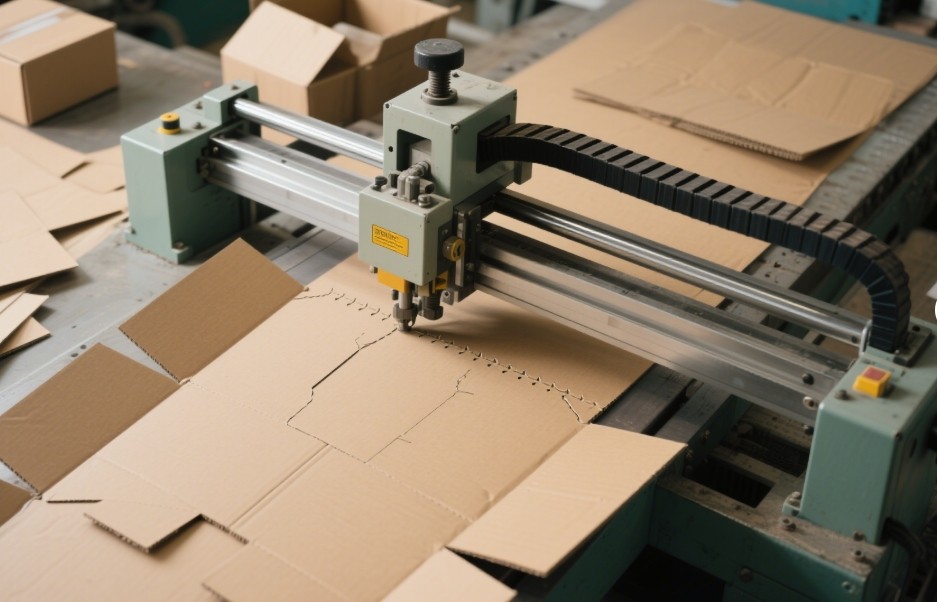
Understanding the journey from raw material to a finished Kraft box is quite interesting. It really shows why quality materials and precise manufacturing are so important. This is something I've learned a lot about over my years in the packaging machinery business. Let's explore this further, and I'll share how we at Kylin Machine approach these challenges.
What is the process of making boxes?
Confused about how boxes are actually manufactured? Want to know the general steps involved in bringing a box to life? This simple guide breaks it down.
Box making generally involves designing, selecting material like paperboard, printing if needed, die-cutting, creasing, folding, and gluing. Automated machines, such as those we develop at Kylin Machine, streamline these steps. This leads to consistent quality and high output, which is key for our B2B clients.
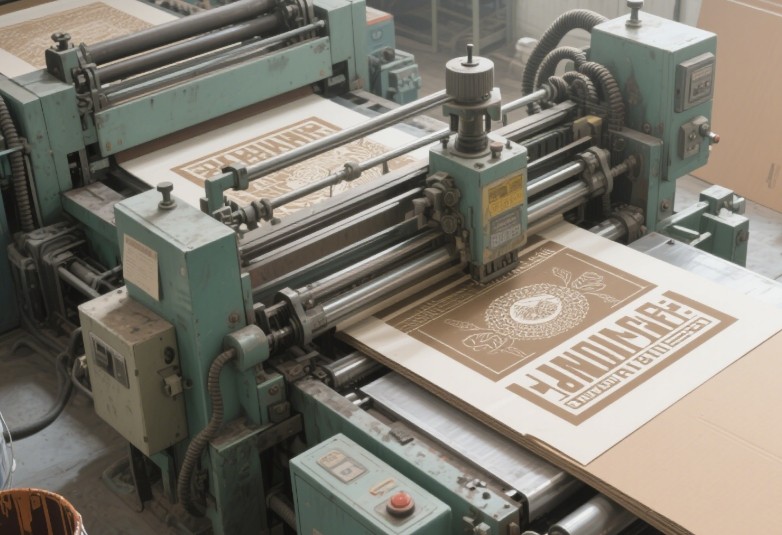
The journey of creating a box, from a simple idea to a tangible product, involves several key stages. Each step requires care and often specialized equipment, particularly when aiming for high volume or premium quality. I've seen many businesses transform their output by understanding and optimizing this process.
Material Selection and Preparation
First, the right material must be chosen. This could be Kraft paper for its strength, corrugated board for shipping boxes, or fine paperboard for luxury packaging. The material is often sourced in large rolls or sheets. For instance, our clients in the paper converting industry rely heavily on consistent material quality for their Kylin machines.
Design and Pre-press
Next, the box is designed, including its dimensions, folds, and any artwork. If printing is required, plates are prepared. This stage is critical because a good design ensures the box functions well and looks appealing.
Cutting and Creasing
The flat material is then cut to shape and creased where folds will occur. This is typically done using a die-cutter. Precision here is vital. A slight error can mean a box doesn't assemble correctly. I remember a client who was making luxury rigid boxes; they initially struggled with manual cutting. After they invested in one of our Kylin rigid box making lines, which includes high-precision cutting and creasing capabilities, their production quality and speed improved dramatically.
Folding, Gluing, and Forming
After cutting and creasing, the box blanks are folded and glued (or sometimes stitched or stapled) into their final three-dimensional form. For complex structures like rigid boxes, specialized machinery is essential. Our Kylin machines, especially those with Robotic Spotter and Hybrid technology, excel at this, ensuring perfect alignment and strong adhesion for high-end rigid boxes and hard book covers. This is a core area where Kylin Machine provides solutions for clients needing advanced packaging.
Quality Control and Packing
Finally, the finished boxes are checked for quality and then packed for shipping to the end-user. Automated systems can help with bundling and palletizing.
Understanding these steps helps businesses in the Graphic Arts and Paper Converting industries identify areas where they can improve efficiency and quality, often through better machinery.
How are delivery boxes made?
Ever wonder about those sturdy delivery boxes that bring your online orders? Need to understand their production for your own shipping needs? Here’s how they come together.
Delivery boxes, usually made of corrugated cardboard, are produced by layering fluted paper between linerboards for strength. These large sheets are then cut, scored, printed if necessary, and folded. Automated systems ensure they can withstand the stresses of shipping.
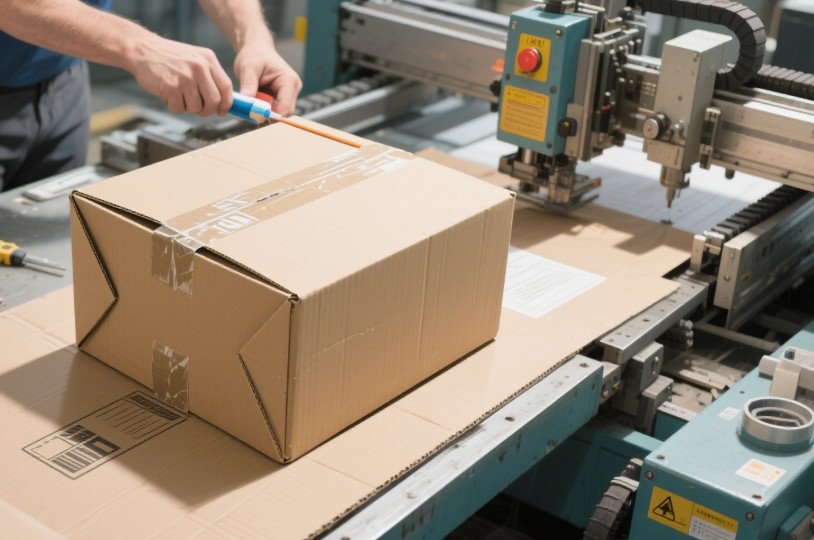
Delivery boxes, or shipping cartons, are the unsung heroes of e-commerce and logistics. Their construction is all about balancing strength, weight, and cost. While my company, Kylin Machine, focuses more on machinery for high-finish rigid boxes and book covers, the principles of efficient automated production are universal.
The Corrugation Process
The core of a delivery box is corrugated fiberboard. This material is made by gluing one or more layers of fluted paper (the wavy layer) between flat linerboards.
- Single-wall board: One fluted layer between two linerboards. Common for many boxes.
- Double-wall board: Two fluted layers and three linerboards. Offers extra strength.
- Triple-wall board: Three fluted layers and four linerboards. Used for very heavy items.
The corrugator machine is a massive piece of equipment that forms the flutes, applies adhesive, and bonds the layers together to create large sheets of corrugated board.
Printing and Converting
Once the corrugated board is made, it moves to the converting stage.
- Printing: If the box needs branding or handling instructions, it's often printed at this stage using flexographic printing.
- Die-Cutting/Slotting: The sheets are then cut and creased (or scored) to create the box blank. For standard box styles (like an RSC - Regular Slotted Container), a machine called a flexo folder-gluer might perform printing, slotting, scoring, folding, and gluing in one continuous operation. Custom shapes might require a separate die-cutter.
- Folding and Gluing: The scored blanks are folded along the creases, and adhesive is applied to the glue tabs. The box is then pressed together to form a flat-folded box, ready for the end-user to assemble.
I've noticed that even companies producing corrugated boxes are constantly looking for ways to improve throughput and reduce waste. The efficiency gained from good, reliable machinery is key for them, just as it is for our Kylin Machine clients producing high-end packaging. Many businesses in the paper converting industry handle a variety of box types, and they understand that automation is crucial across the board.
How are cartons made step by step?
Curious about how simple folding cartons are produced? Need a clear, step-by-step guide, perhaps for your own packaging business? Let's explore this common process.
Cartons, often seen in retail, are typically made from paperboard. The process involves: 1. Design. 2. Printing. 3. Die-cutting to shape. 4. Creasing for folds. 5. Folding and then gluing. Automated machinery significantly speeds up these steps.
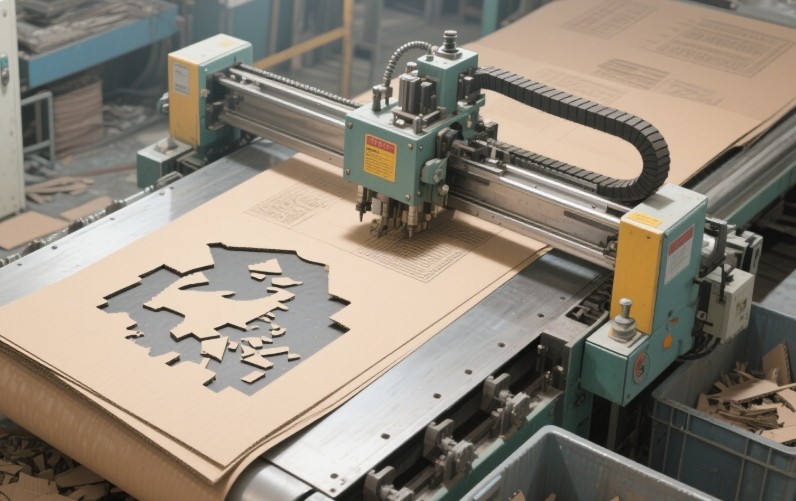
Folding cartons are everywhere – holding cereal, cosmetics, medicines, and countless other products. Their production is a well-refined process, aiming for high speed and consistency. At Kylin Machine, while our specialty lies in more complex rigid boxes, we often discuss with clients how precision at each step is vital, even for seemingly simpler cartons.
Here's a typical step-by-step breakdown:
Step 1: Design and Material Choice
It starts with a structural design, often created using CAD software. This design defines the carton's flat layout, known as a "blank," including all cuts and creases. The material is usually a type of paperboard, chosen based on the product's weight, desired print quality, and budget. Common types include Solid Bleached Sulfate (SBS), Folding Box Board (FBB), or Coated Recycled Board (CRB).
Step 2: Printing
The chosen paperboard, usually in large sheets or rolls, is then printed. Offset lithography is common for high-quality graphics, while flexography might be used for simpler designs or longer runs. Digital printing is also becoming more popular for shorter runs and customization.
Step 3: Die-Cutting and Creasing
After printing, the sheets go to a die-cutting machine. A die is a specialized tool, like a giant cookie-cutter, with sharp steel rules for cutting the carton's outline and blunt rules for creating the creases. The sheets are pressed against the die, cutting out the blanks and imprinting the fold lines simultaneously. [I recall a time when a client struggled with misaligned cartons due to an old die-cutter. Upgrading their machinery brought immediate improvements in fit and finish.]
Step 4: Stripping (Optional)
Waste material around and within the cut blanks is removed. This can be done manually or, more often, automatically as part of the die-cutting process.
Step 5: Folding and Gluing
The flat, cut-and-creased blanks are then fed into a folder-gluer machine. This machine precisely folds the blank along the creases and applies adhesive to the appropriate flaps. The carton is then pressed to ensure the glue bonds, forming the final, usually flat-shipped, carton.
Step 6: Bundling and Shipping
The finished cartons are counted, bundled, and packed into cases for shipment to the company that will fill them with products.
This attention to detail at each step is what helps our clients, from small printing studios to large integrated groups, deliver quality packaging consistently.
What is the difference between kraft and cardboard?
Kraft or cardboard – what's the real difference when you're talking about packaging? If you're confused by these terms for your packaging needs, let's clarify this now.
"Cardboard" is a very general, non-specific term for heavy paper-based products. Kraft paper, however, is a specific type of paperboard made from chemical pulp (the Kraft process), known for its exceptional strength and often its natural brown color. Many "cardboard" boxes are indeed made from Kraft paper components.
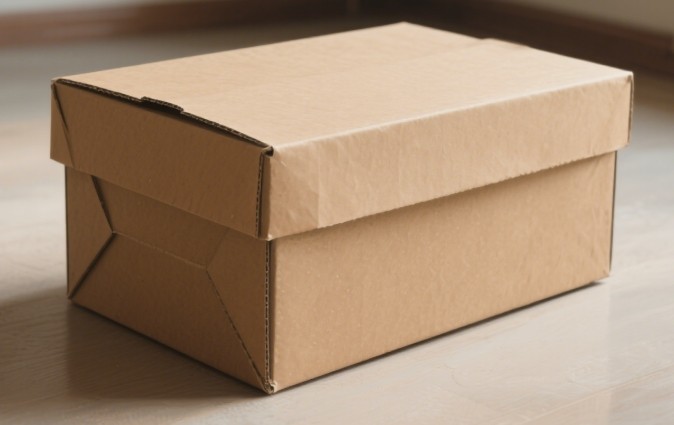
Understanding the terminology can be helpful, especially when specifying materials for your packaging or when discussing machinery requirements with suppliers like us at Kylin Machine.
"Cardboard": The General Term
When people say "cardboard," they could be referring to a few different things:
- Paperboard (or Boxboard): A single-ply, thicker paper material. Think cereal boxes, shoe boxes, or the material used for high-quality rigid boxes.
- Corrugated Fiberboard: This is what most shipping boxes are made of. It consists of one or more layers of fluted (wavy) paper sandwiched between flat linerboards.
So, "cardboard" isn't a precise technical term in the industry but a catch-all for various stiff paper products.
Kraft Paper: The Specific Material
Kraft paper is named after the Kraft pulping process (from the German word "Kraft," meaning "strength"). This process uses chemical treatment (sulfate process) to convert wood into wood pulp.
- Strength: Kraft pulp retains long cellulose fibers, giving the resulting paper very high tensile strength and tear resistance. This makes it ideal for applications needing durability.
- Appearance: Unbleached Kraft paper has the familiar brown color. It can also be bleached to produce white Kraft paper, which offers a good printing surface while retaining much of the strength.
- Uses: Kraft paper is widely used for:
- Linerboard in corrugated fiberboard (the flat layers).
- Paper sacks for cement or flour.
- Heavy-duty wrapping paper.
- Paper grocery bags.
- As a component in some types of paperboard for folding cartons and rigid boxes.
Here's a simple comparison:
| Feature | Kraft Paper | General "Cardboard" (e.g., Corrugated) |
|---|---|---|
| Definition | Specific paper from Kraft pulping process | Broad term for heavy paper-based products |
| Primary Pulp | Virgin wood pulp (long fibers) | Can be virgin or recycled fibers |
| Key Property | High strength, tear resistance | Varies; corrugated offers good cushioning |
| Common Color | Brown (unbleached), White (bleached) | Brown, white, or printed |
| Typical Examples | Paper bags, linerboard, high-strength paperboard | Shipping boxes, cereal boxes, displays |
When we at Kylin Machine discuss projects for rigid boxes or hard book covers, the quality of the paperboard is paramount. While not always "Kraft" in the unbleached brown sense, the core material often benefits from processes that yield strong, stable paper fibers, similar to those in Kraft production. Our advanced machinery, including the Robotic Spotter and Hybrid systems, is designed to work precisely with these high-grade paperboards to create premium, durable packaging. Understanding these material differences is important for our clients in the Graphic Arts, Paper Converting, and Bookbindery industries to achieve the best results.
Conclusion
Making Kraft boxes, and indeed all types of paper-based packaging, involves specific materials and precise manufacturing steps. Advanced machinery, like ours at Kylin Machine, plays a crucial role in achieving quality and efficiency.

发表回复