

How do corrugated box making machine packages look like?
Are you struggling to find the right packaging solution for your products? You're not alone. Many businesses face the challenge of ensuring their products are protected during shipping while also being cost-effective.
A corrugated box making machine produces the familiar fluted cardboard boxes you see everywhere. These machines automate the process of cutting, folding, and gluing corrugated sheets into sturdy, reliable packaging, perfect for protecting goods in transit.
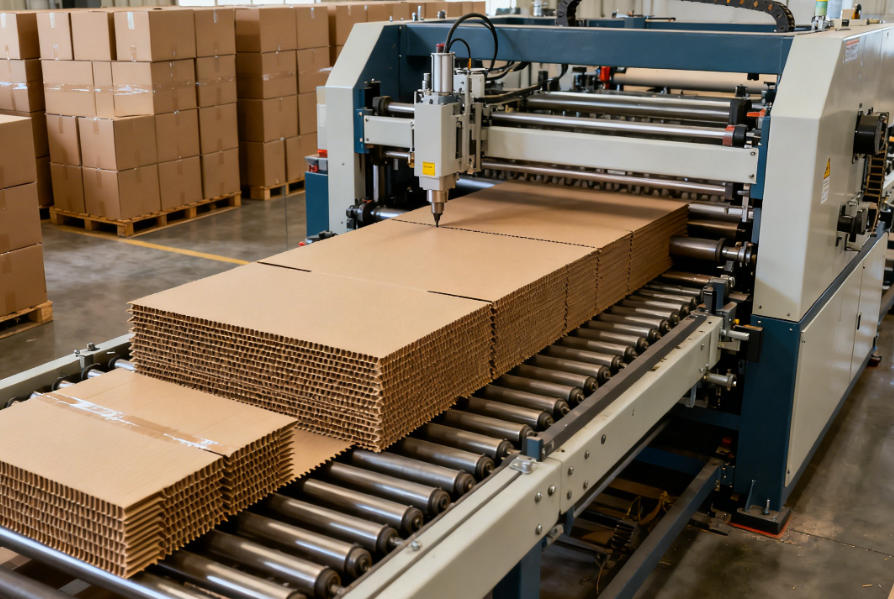
Understanding the output of a corrugated box making machine is key to optimizing your packaging strategy. The versatility of these machines allows for a wide range of box styles and sizes, but knowing which one is right for you can be confusing. Let's explore some common questions to help you make an informed decision.
What is an example of a corrugated packaging?
Wondering what corrugated packaging actually looks like in the real world? It's more common than you think, and you probably interact with it every day.
Corrugated packaging is most commonly seen as shipping boxes, like those used by Amazon. However, it also includes retail-ready packaging, pizza boxes, and even displays in supermarkets. It’s a versatile and essential part of modern logistics.
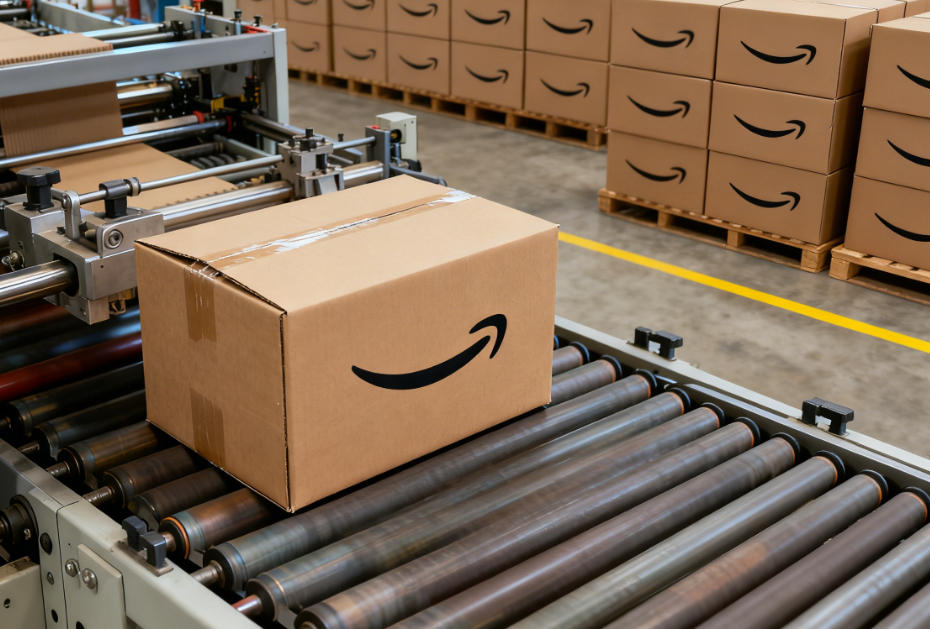
The term "corrugated packaging" covers a wide array of products, all stemming from the same basic material: corrugated fiberboard. The key is the fluted layer, which provides strength and cushioning. To understand this better, let's look at the material itself.
The Structure of Corrugated Board
The genius of corrugated packaging lies in its construction. It’s not just a single sheet of thick paper.
| Component | Description | Purpose |
|---|---|---|
| Linerboard | The flat paper on the outside surfaces. | Provides a smooth surface for printing and a barrier against the elements. |
| Fluting/Medium | The wavy, "corrugated" layer in the middle. | Creates air pockets that provide insulation and cushioning, and gives the board its strength and rigidity. |
This simple-sounding structure is what allows a lightweight material to protect heavy or fragile items. At Kylin Machine, while we specialize in machines for high-end rigid boxes, we appreciate the engineering behind all good packaging. You can learn more about the material in our article, What are corrugated boxes made of?.
What does corrugated cardboard look like?
Is it just brown paper? Not quite. The appearance of corrugated cardboard is directly related to its function and strength.
Corrugated cardboard has a distinct look: a wavy, fluted layer of paper sandwiched between two flat liner sheets. This construction is visible when you look at the edge of the board, revealing the "ribs" that give it strength.
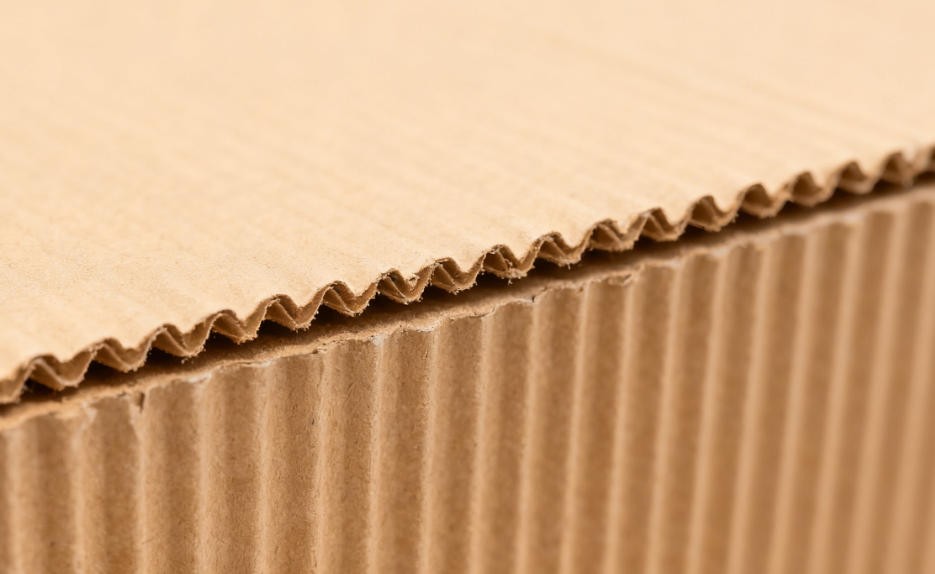
The look of corrugated cardboard can vary depending on its intended use. You might see different thicknesses and different colors of linerboard.
Variations in Appearance
The visual characteristics of corrugated board can tell you a lot about its properties.
- Flute Size: The "waves" in the fluting can be of different sizes (e.g., A, B, C, E, F flutes). Larger flutes offer more cushioning, while smaller flutes provide a better printing surface and are more crush-resistant.
- Wall Construction: You can have single-wall (one fluted layer), double-wall (two fluted layers), or even triple-wall board for very heavy-duty applications. The more walls, the stronger the box.
- Linerboard Color: While the most common color is the natural brown of Kraft paper, you can also find white linerboard, which is often used for a more premium look or for better color printing.
For a deeper dive into how these boxes are made, check out our article on how cardboard boxes are manufactured.
What is a corrugated package?
You've seen the material, but what makes a "package"? It's more than just a box; it's a complete system.
A corrugated package is a container made from corrugated fiberboard, designed to protect, store, and transport goods. It's a system that includes the box itself, and potentially inserts, dividers, and cushioning materials, all working together.
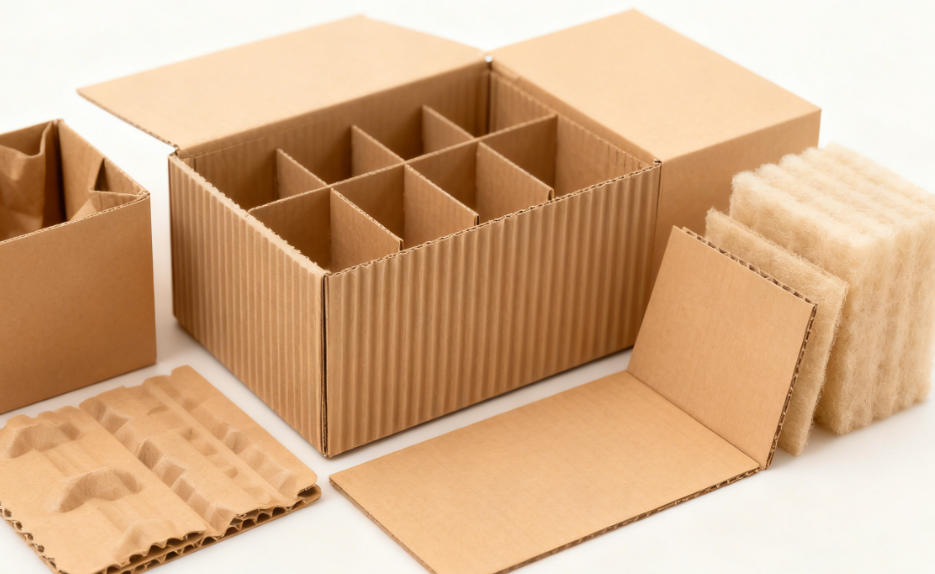
Thinking of a corrugated package as a system helps in designing the most effective solution for your product. It's not just about the outer shell.
Elements of a Corrugated Package
A complete corrugated package is a sum of its parts.
| Element | Function |
|---|---|
| The Box | The primary container, providing structural integrity and a printable surface. |
| Inserts/Dividers | Corrugated or paperboard pieces that separate and cushion multiple items within a box. |
| Cushioning | Materials like bubble wrap, air pillows, or even custom-fit corrugated pieces that fill voids and absorb shock. |
The design of the package is crucial. At Kylin Machine, our focus is on the machinery that creates high-end rigid boxes, but we understand that the principles of good package design apply across the board. You can explore different box styles in our article about the difference between two-piece boxes and one-piece boxes.
How to pack corrugated boxes?
You have the box, but are you using it correctly? Improper packing can lead to damaged goods, even with the best box.
To pack a corrugated box correctly, place the item in the center, fill any empty space with cushioning material to prevent movement, and seal the box securely with high-quality packing tape.
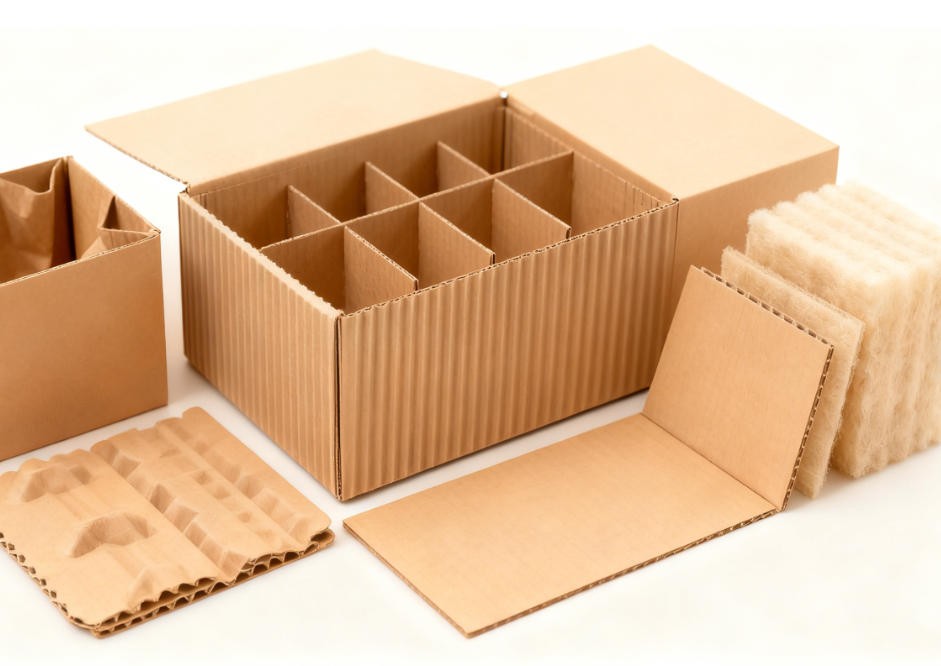
Packing is the final, crucial step in ensuring your product arrives safely. A well-packed box is a testament to a company's attention to detail and commitment to quality.
Best Practices for Packing
Follow these simple steps for professional-level packing.
- Choose the Right Box: Select a box that is the right size for your item. Too large, and you'll need excessive void fill. Too small, and you risk the box bursting.
- Cushion the Bottom: Add a layer of cushioning material to the bottom of the box before placing your item inside.
- Wrap Individual Items: If you are shipping multiple items, wrap them individually.
- Fill the Voids: Use cushioning material to fill all empty spaces. The contents should not be able to shift during transit.
- Seal Securely: Use the "H-tape" method. Tape down the center seam and then tape along the edge seams on both the top and bottom of the box.
For more on the strength and specifics of the boxes themselves, our article on 3-ply corrugated boxes is a great resource.
Conclusion
Understanding corrugated packaging is the first step to making smarter shipping choices. From the machine to the final packed box, every element plays a role in protecting your products.

发表回复