

What are corrugated boxes and what are the benefits of using two-piece boxes?
Choosing the wrong packaging can lead to damaged goods and unhappy clients. Understanding box types, like corrugated and two-piece, helps protect products and boost your brand image. Let's explore them.
Corrugated boxes are shipping containers made with fluted paper sandwiched between liners. Two-piece boxes often offer premium presentation and structure, typically consisting of a separate lid and base, frequently used for rigid gift boxes.
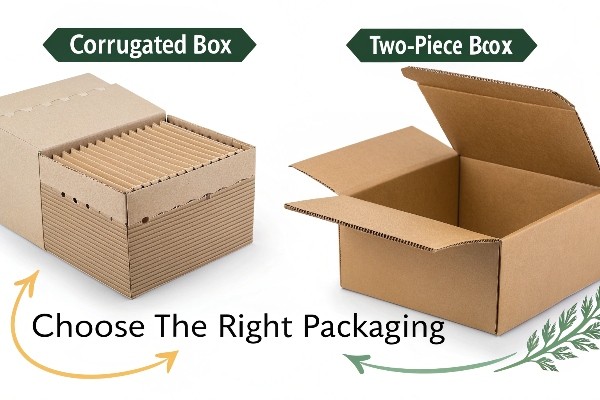
Understanding different packaging options is key for any business. Choosing the right box protects your product during shipping and can enhance how customers perceive your brand. We will look into the specifics of corrugated material first, and then explore the advantages that two-piece boxes, especially the rigid kind, offer. Making informed choices here impacts your bottom line and customer satisfaction, something I see daily in my work with packaging businesses at Kylin Machine. Let's dive into the details to help you make the best choice for your needs.
What are the benefits of corrugated boxes?
Struggling with shipping damages or high packaging costs? Using weak boxes leads to losses and customer complaints, hurting your business reputation. Corrugated boxes offer a reliable solution.
Corrugated boxes provide excellent protection due to their layered structure. They are lightweight yet strong, cost-effective, customizable, and recyclable, making them ideal for shipping and storage across many industries.
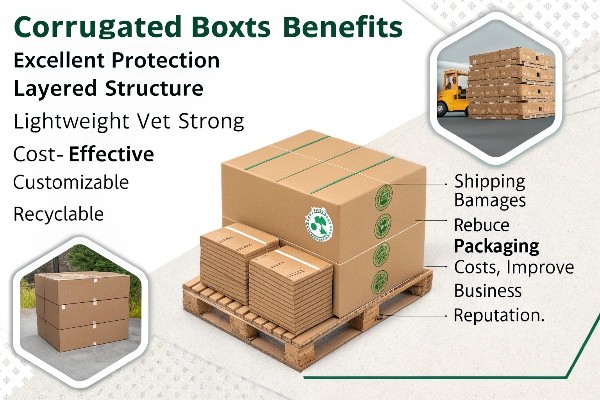
Let's look deeper into why corrugated boxes are so widely used. Their design isn't just simple cardboard; it's engineered for performance. I've seen countless businesses rely on them, and for good reason. The benefits extend beyond just basic protection.
Strength and Cushioning
The key feature is the fluted layer (the wavy paper) between the liners. This structure creates air pockets that provide cushioning against impacts, vibrations, and drops during transit. It also gives the box significant rigidity and stacking strength, preventing crushing when boxes are piled high in warehouses or trucks. Different flute sizes (like B-flute, C-flute, E-flute) offer varying levels of protection and printability.
Cost-Effectiveness
Compared to materials like plastic or wood, corrugated cardboard is relatively inexpensive to produce. Its lightweight nature also helps reduce shipping costs, which are often calculated by weight. This makes it an economical choice for businesses shipping large volumes.
Versatility and Customization
Corrugated boxes come in countless shapes and sizes. They can be easily printed on, allowing companies to add branding, logos, handling instructions, or product information. This versatility means they can be adapted for almost any product, from small electronics to large appliances.
Sustainability
Most corrugated boxes are made from a high percentage of recycled paper and are themselves fully recyclable. This appeals to environmentally conscious businesses and consumers. Their biodegradable nature is another plus point compared to plastic packaging.
What are the benefits of corrugation?
Wondering what makes corrugated material special? Plain cardboard easily bends and offers little protection, leading to damaged goods. The unique structure of corrugation provides the answer.
Corrugation refers to the wavy, fluted layer in cardboard. This design provides superior strength, cushioning, insulation, and rigidity compared to flat cardboard sheets, making it ideal for packaging.
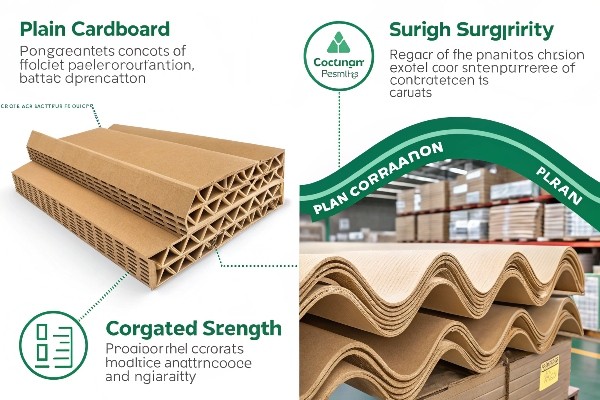
The "magic" of corrugated boxes lies specifically in that corrugation layer. It's more than just wavy paper; it's a structural innovation. From my perspective at Kylin Machine, understanding material properties is fundamental, even if we specialize in machines for rigid boxes. The principles of structure and strength are universal.
Structural Rigidity
The fluted shape, when glued between two flat linerboards, creates a series of connected arches. Just like arches in architecture provide strength, these flutes make the board very resistant to bending and pressure. This allows boxes to maintain their shape and protect the contents even when stacked or subjected to external forces.
Impact Absorption
The air trapped within the flutes acts as a cushion. When the box receives an impact, the flutes can compress slightly, absorbing some of the shock energy. This protects the contents from damage during rough handling or transit. The level of cushioning can be adjusted by changing the size and density of the flutes.
Insulation Properties
The trapped air also provides some thermal insulation. While not its primary purpose, this can help protect contents from minor temperature fluctuations during shipping, which can be beneficial for certain products like food or pharmaceuticals.
Lightweight Strength
One of the biggest advantages is achieving significant strength without adding much weight. The engineered structure provides rigidity efficiently, keeping the overall package weight low. This is crucial for managing shipping costs and ensuring ease of handling.
What are two advantages of using corrugated materials in manufacturing?
Choosing materials for manufacturing involves balancing cost, performance, and ease of use. Using less suitable materials can slow production and increase expenses. Corrugated materials offer clear manufacturing benefits.
Two key advantages are: 1. Cost-effectiveness due to low material and shipping costs. 2. Ease of processing, as corrugated board is easily cut, folded, printed, and glued.
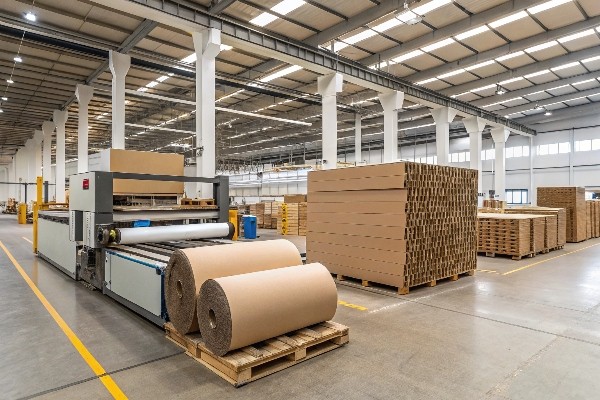
In manufacturing, efficiency and cost are paramount. Having worked in the machinery side of packaging for years with Kylin Machine, I appreciate materials that are easy to work with and don't break the bank. Corrugated board scores high on both counts.
Advantage 1: Cost-Effectiveness
Raw materials (primarily recycled paper) are relatively cheap, and the manufacturing process for corrugated board is highly optimized and efficient. This results in a low unit cost for the material itself. Furthermore, its lightweight nature, as discussed earlier, translates directly into lower transportation costs, both for receiving the raw material and shipping the finished product or packaging. This combined effect makes it a very economical choice for large-scale production runs.
Advantage 2: Ease of Processing (Manufacturability)
Corrugated board is remarkably easy to handle in a manufacturing setting.
- Cutting & Scoring: It can be precisely cut and scored (creased for folding) using die-cutting machines or plotters, allowing for complex shapes and designs.
- Folding & Gluing: It folds cleanly along score lines and adheres well with standard industrial adhesives, facilitating automated assembly processes.
- Printing: The linerboard surfaces are suitable for various printing techniques (flexography, lithography, digital), enabling high-quality branding and information display.
This ease of conversion allows for high-speed production lines and relatively simple machinery compared to processing plastics or metals.
What is the difference between corrugated and cardboard box?
People often use "cardboard" and "corrugated" interchangeably. This confusion can lead to choosing the wrong type of box for your needs. Understanding the distinction is crucial.
"Cardboard" is a general term for heavy paper-pulp based board. "Corrugated" specifically refers to board made with a fluted layer between liners, offering much greater strength and cushioning than plain cardboard.
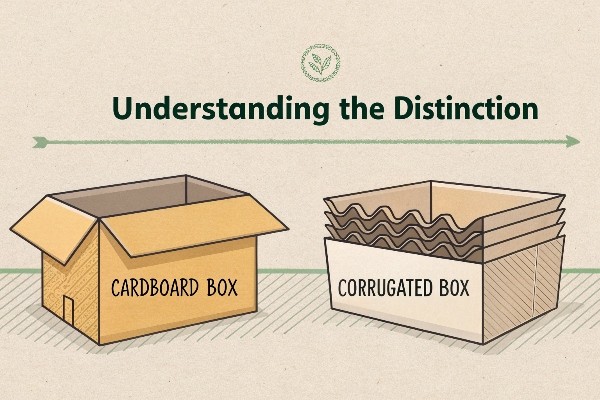
This is a point of confusion I encounter frequently. While both materials are paper-based, their construction and capabilities are very different. Think of "cardboard" as a broad category, and "corrugated" as a specific, engineered type within that category.
Defining the Terms
- Cardboard: This typically refers to thick, single-layer paperboard or chipboard. Examples include cereal boxes, shoe boxes (though some are rigid boxes), or the backing on a notepad. It's relatively thin and easily bent.
- Corrugated Board: This is a multi-layer material specifically constructed with one or more layers of fluted paper sandwiched between flat linerboards. This structure gives it significantly more strength and durability. Shipping boxes are almost always made from corrugated board.
Key Differences Explained
| Feature | Cardboard (e.g., Cereal Box) | Corrugated Board (e.g., Shipping Box) |
|---|---|---|
| Structure | Single layer (or multiple flat layers pressed together) | Multiple layers with internal fluting (wavy layer) |
| Strength | Low rigidity, easily bent | High rigidity, resistant to bending and crushing |
| Cushioning | Minimal | Good, due to air trapped in flutes |
| Primary Use | Retail packaging, folders | Shipping, storage, heavy-duty packaging |
| Thickness | Generally thinner | Generally thicker and stronger |
Understanding this difference ensures you select material strong enough for shipping (corrugated) versus lighter-duty applications where simple cardboard might suffice.
What are the benefits of using two-piece boxes?
Need packaging that screams premium and offers easy access? Standard boxes might not provide the unboxing experience or structural feel you want. Two-piece boxes elevate your product presentation.
Two-piece boxes, especially rigid ones, offer enhanced structural integrity, a premium look and feel, improved product presentation upon opening, and are often reusable, adding value for the customer.

While we've talked a lot about corrugated, my expertise at Kylin Machine really lies in the machinery for producing high-quality rigid boxes. Many of these premium boxes use a two-piece construction (a separate base and lid). These aren't your typical shipping boxes; they are about presentation and perceived value.
Enhanced Presentation and Unboxing Experience
Two-piece boxes inherently feel more substantial and luxurious than standard folding cartons. The separation of lid and base creates a reveal moment when the customer opens the package, enhancing the unboxing experience. This is crucial for luxury goods, gifts, electronics, and cosmetics where perceived value is key. High-quality printing, finishes (like embossing or foil stamping), and inserts can further elevate the presentation.
Structural Integrity and Durability
Rigid two-piece boxes are typically made from thick greyboard or chipboard wrapped with paper or other materials. They don't ship flat like corrugated boxes; they are constructed to be sturdy and non-collapsible. This provides excellent protection for delicate or high-value items. The robust construction often leads to the box being kept and reused by the end customer, extending brand exposure.
Design Versatility
The two-piece format allows for various styles:
- Full Telescope: Lid covers the entire base.
- Partial Telescope: Lid covers part of the base.
- Neck Box: An inner tray or "neck" creates a distinct separation.
Different depths of lids and bases can create unique visual effects.
Manufacturing Considerations
Producing high-quality rigid two-piece boxes requires specialized equipment. At Kylin Machine, our focus is on providing solutions like robotic spotters and case makers that precisely handle the wrapping and assembly needed for these premium boxes. Achieving tight wraps, sharp corners, and perfect alignment – hallmarks of luxury packaging – demands advanced machinery for consistency and efficiency, especially in B2B wholesale scenarios where quality and volume are critical.
Conclusion
Understanding corrugated boxes helps optimize shipping, while two-piece rigid boxes elevate product presentation. Choosing correctly impacts protection, cost, and brand perception. Kylin Machine aids in producing premium rigid boxes.
Written by Jacob from Kylin Machine (www.kylinmachines.com), specializing in post-press machinery for rigid box and hardcover manufacturing in Dongguan, China.

发表回复