

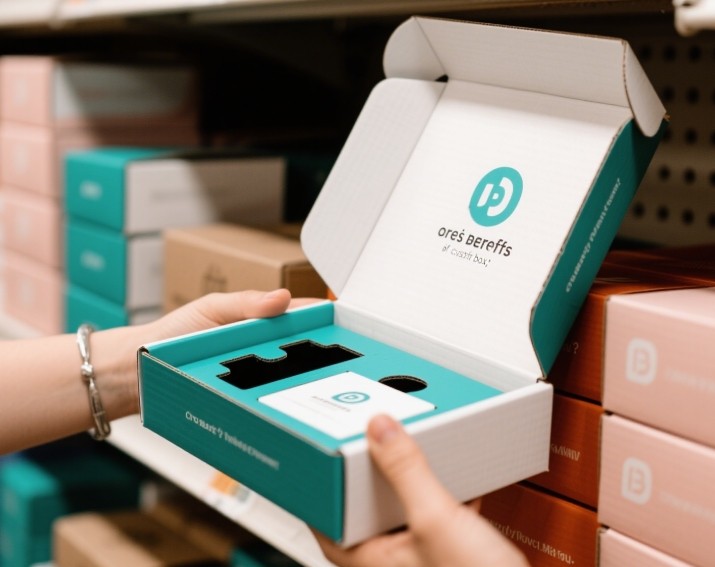
What are the advantages of custom rigid boxes?
Is your current packaging failing to impress? Poor packaging can cheapen your brand image and even lead to damaged goods. Custom rigid boxes offer a solution that elevates your product instantly.
Custom rigid boxes provide superior product protection due to their strong construction. They also offer a premium unboxing experience, enhance brand perception through customization, and make your products stand out significantly from competitors.
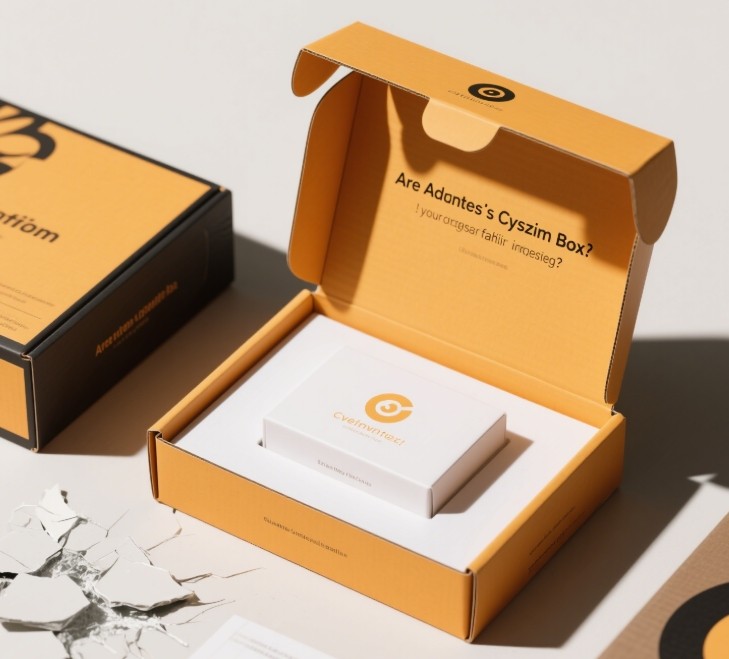
These boxes offer more than just a container; they are a statement about your brand's quality. But understanding why they are so effective requires looking closer at their specific benefits. Let's explore the key advantages that make rigid boxes, especially custom ones, a valuable investment for businesses like yours. Knowing this helps appreciate the machinery needed to produce them perfectly.
What are the advantages of rigid boxes?
Are you worried products might get damaged during shipping or handling? Flimsy boxes can break, leading to returns and unhappy customers. Rigid boxes offer a strong, reliable solution.
The primary advantage of rigid boxes is their exceptional structural strength, offering excellent protection. Their inherent durability and non-collapsible form also immediately signal higher quality to the end customer.
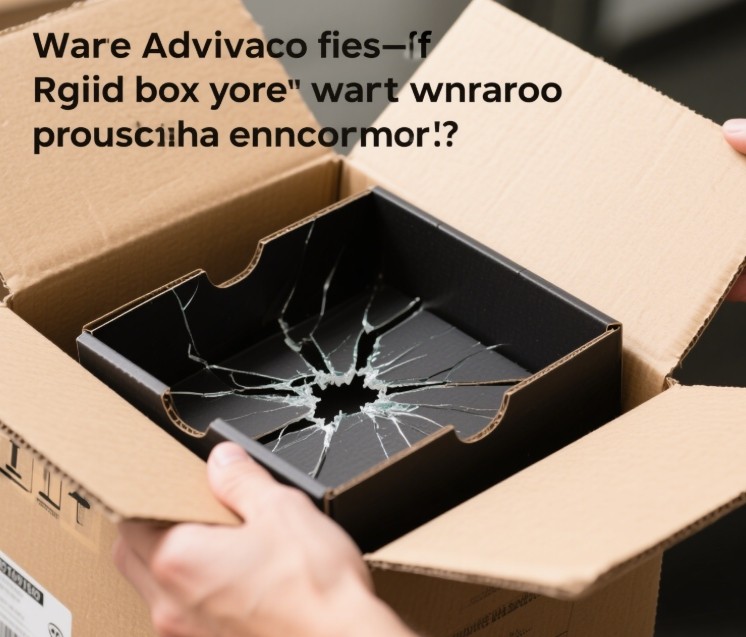
Rigid boxes, often called set-up boxes, are known for their strength. This comes from the thick paperboard (like chipboard) used in their core construction, typically much thicker than the material used for folding cartons. Let's break down why this matters for businesses in packaging and printing.
Structural Strength
The main job of any box is to protect what's inside. Rigid boxes excel here. Their walls don't easily bend or crush. This is critical during transport and handling. For delicate items like electronics, cosmetics, or luxury goods, this protection is non-negotiable. We see clients breathe easier knowing their products arrive safely. Consistent, precise manufacturing, like that achieved with automated systems, ensures every box provides this level of protection.
Perceived Value
A rigid box just feels more premium. When a customer receives a product in a sturdy, substantial box, it creates an immediate impression of quality. It suggests the product inside is valuable. This tactile experience is hard to replicate with other packaging types. It's something I've seen elevate brands time and again.
Reusability
Because they are so durable, customers often keep rigid boxes long after opening the product. They might use them for storage or display. This extended lifespan keeps your brand visible in the customer's home or office, offering continued marketing value.
Here's a simple comparison:
| Feature | Rigid Box | Folding Carton |
|---|---|---|
| Wall Strength | Very High | Moderate |
| Protection | Excellent | Good (for lighter items) |
| Feel | Premium, Substantial | Lighter, Less Substantial |
| Assembly | None (Pre-formed) | Required |
| Reusability | High | Low to Moderate |
Making these consistently strong boxes requires machinery that handles thick board accurately. It's this reliability in production that ensures the end-user gets all these benefits.
What are the benefits of custom boxes?
Does your packaging look like everyone else's on the shelf? Generic boxes get lost in the crowd and don't tell your brand story. Custom boxes grab attention and connect with customers.
Custom boxes allow unique branding through specific sizes, shapes, colors, and finishes. They enable tailored inserts for perfect product fit and create a memorable unboxing experience reflecting brand identity.
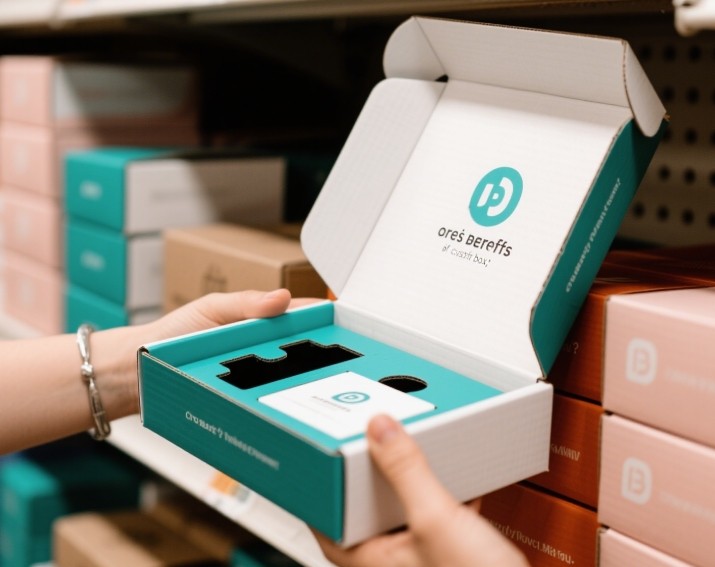
While standard rigid boxes offer protection and quality, customization unlocks their full potential as a marketing tool. For businesses in the graphic arts and paper converting industries, offering custom boxes is a significant value-add. Let’s look at how customization makes a difference.
Brand Storytelling
Customization turns a simple box into a canvas for your brand. You can use specific colors, logos, taglines, and graphics that align with your brand identity. It’s the first physical interaction a customer often has with your product, so making it count is crucial. Think about luxury brands – their packaging is instantly recognizable and part of their appeal. [A story about a client who used custom printing to boost brand recognition could go here].
The Unboxing Experience
This has become huge, especially with online sales. A custom box can make opening the package an event. Think custom inserts holding the product securely, tissue paper printed with your logo, or a unique opening mechanism. These details create a positive emotional response and make the customer feel valued. We've seen businesses gain loyal fans just by improving their unboxing experience.
Perfect Fit and Functionality
Custom boxes are designed around your product. This means no wasted space and optimal protection. You can specify exact dimensions and design internal structures or inserts (made from paperboard, foam, or other materials) to hold items perfectly. This not only protects the product better but also looks much more professional than using generic filler materials.
Customization possibilities are vast:
| Customization Element | Description | Impact |
|---|---|---|
| Size & Shape | Tailored dimensions, unique structural designs | Perfect fit, stands out visually |
| Printing | Logos, brand colors, graphics, text | Brand recognition, visual appeal |
| Finishes | Matte/gloss lamination, foil stamping, embossing | Premium feel, tactile interest |
| Materials | Textured papers, specialty wraps, eco-options | Unique look and feel, aligns with values |
| Inserts | Custom-cut holders (foam, paperboard) | Secure product fit, enhanced presentation |
Producing these varied custom boxes efficiently requires flexible machinery. Machines that can quickly adapt to different sizes, materials, and complex designs, like robotic spotters for precise wrap placement, are essential for our clients offering custom solutions.
What makes a rigid container structure advantageous?
Are you looking for packaging that presents your product perfectly right out of the shipping carton? Folding cartons need assembly, but rigid containers are ready to go, offering strength and instant appeal.
A rigid container's key structural advantage is its non-collapsible, pre-formed design. This provides excellent dimensional stability, superior stacking strength, and ensures a consistent, premium presentation every time.
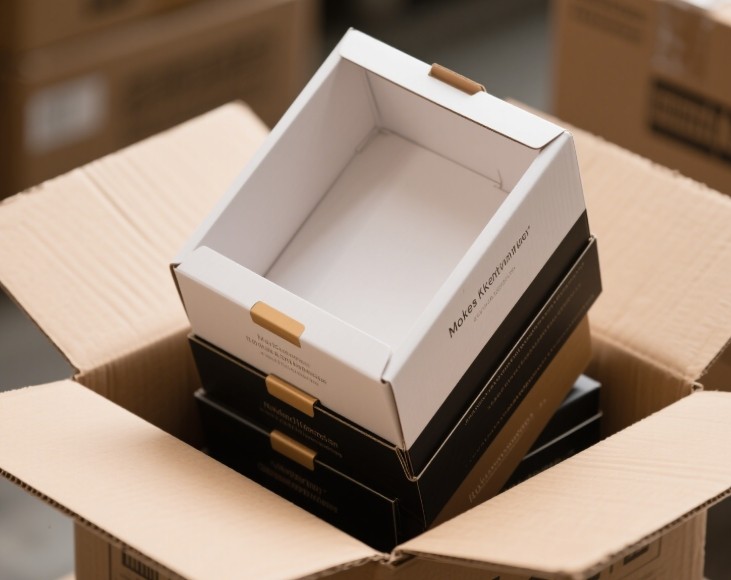
The term "rigid container" emphasizes the structural aspects that make these boxes so effective, particularly compared to alternatives like folding cartons. From my experience working with machinery that makes these, the precision involved is key to their performance. Let's examine the structural benefits.
Non-Collapsible Design
Unlike folding cartons that ship flat and need assembly, rigid boxes maintain their shape. They are constructed into their final form during manufacturing. This inherent stability means they won't easily deform under pressure, providing reliable protection. It also means they are ready for product insertion immediately, which can streamline packing operations for our clients' customers.
Stacking and Storage
The strong, fixed structure allows rigid boxes to be stacked effectively without collapsing or damaging the contents. This is important in warehousing, shipping, and retail display environments. Consistent dimensions, achieved through accurate manufacturing processes like precise V-grooving and corner taping (often handled by specialized Kylin machines), ensure stable stacking. [An anecdote about a client needing reliable stacking for retail could fit here].
Consistent Presentation
Because they don't rely on being folded correctly upon packing, rigid containers offer a very consistent presentation. The edges are typically sharp and clean, the wrap is smooth, and the overall look is solid and dependable. This consistency reinforces the perception of quality. Achieving this requires machinery capable of precise gluing and wrapping, ensuring no bubbles or misalignments.
Let's compare the structure directly:
| Feature | Rigid Container | Folding Carton |
|---|---|---|
| Form | Pre-formed, non-collapsible | Ships flat, requires assembly |
| Stability | High dimensional stability | Relies on folds for structure |
| Stacking Strength | Excellent | Moderate (depends on assembly) |
| Setup Time | None (ready to fill) | Requires assembly time |
| Presentation | Consistently high-end | Can vary with assembly quality |
The machines we provide at Kylin, like our automatic rigid box makers with robotic positioning, are designed to create these precise, stable structures reliably, ensuring our customers can deliver these structural advantages consistently.
Does your current packaging material feel thin or look ordinary? The materials used in rigid boxes are key to their luxurious appeal. They engage sight and touch to communicate high value.
Rigid boxes typically use a core of thick, dense paperboard (chipboard) covered with high-quality wrap materials like premium paper, textured fabric, or leatherette, providing both strength and a superior tactile experience.
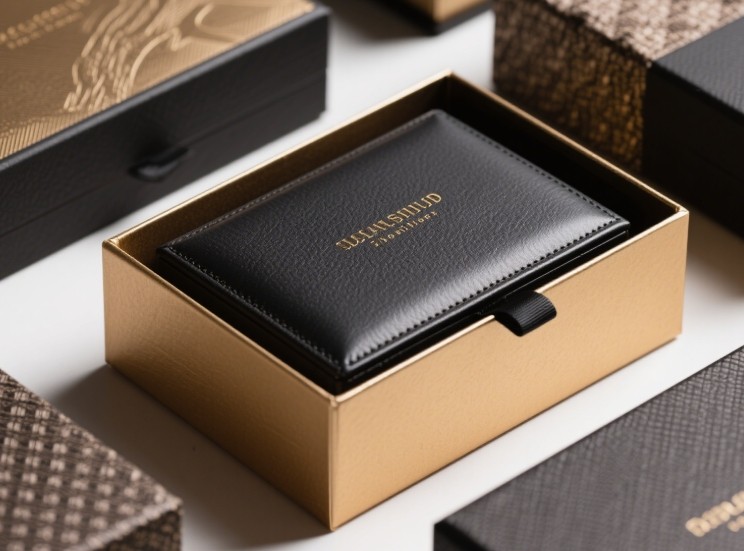
The choice of materials is fundamental to the appeal and performance of rigid boxes. It's not just about looks; it's about the feel, the weight, and the overall sensory experience. In our work at Kylin Machine, we ensure our equipment can handle a wide range of these premium materials smoothly.
The Paperboard Core
The foundation of a rigid box is typically greyboard or chipboard, a dense paperboard made from recycled paper fibers. Its thickness (often ranging from 1mm to 3mm or more) provides the rigidity and structural integrity. The quality and consistency of this board are crucial for the final box's strength and shape. Precise cutting and grooving of this core material are essential first steps in production.
Premium Wrap Materials
This is where the magic happens for visual and tactile appeal. The chipboard core is usually hidden, completely wrapped in another material. Common choices include:
- Art Paper: Coated or uncoated, allows for high-quality printing and finishes.
- Textured Paper: Embossed with patterns (like linen or leather) for a tactile feel.
- Specialty Paper: Pearlescent, metallic, soft-touch, or kraft papers for unique effects.
- Fabric: Book cloth, velvet, or satin for a truly luxurious feel, often used for jewelry or high-end gifts.
- Faux Leather/Leatherette: Provides a sophisticated and durable finish.
The choice of wrap significantly impacts the box's final look and cost.
Finishes and Embellishments
Beyond the wrap material itself, finishes like matte or gloss lamination, spot UV, foil stamping (gold, silver, colours), embossing, or debossing can be applied to enhance the premium feel and branding. These require precision application during the manufacturing process.
Sustainability Considerations
While often perceived as less eco-friendly due to their bulk, rigid boxes are primarily paper-based and often use recycled chipboard cores. The wrap papers are also recyclable or biodegradable, though laminations or certain finishes might affect this. Compared to rigid plastic containers, well-sourced paper-based rigid boxes can be a more sustainable choice for premium packaging.
Here’s a look at common wrap materials:
| Wrap Material | Typical Feel | Common Use Cases |
|---|---|---|
| Art Paper | Smooth | Cosmetics, Electronics, General |
| Textured Paper | Tactile, Patterned | Gifts, Luxury Goods, Stationery |
| Fabric | Soft, Luxurious | Jewelry, Watches, High-End Gifts |
| Leatherette | Smooth, Durable | Spirits, Corporate Gifts, Tech |
Our Kylin machines, including hybrid systems, are designed to handle these diverse materials, ensuring perfect adhesion and wrapping for that essential premium finish our clients need to deliver.
Conclusion
In short, custom rigid boxes offer great protection, boost your brand's image, and create a memorable customer experience. Choosing them, supported by quality manufacturing, is a smart move for premium presentation.

发表回复