

What are the different types of boxes for food?
Struggling to find the right packaging for your food products? You're not alone. The wrong box can lead to spoilage and damage, costing you money and customers.
The best food packaging depends on your product. For example, baked goods need breathable boxes, while frozen foods require moisture-resistant packaging. At Kylin Machine, we offer a variety of machines to create the perfect custom box for your needs.
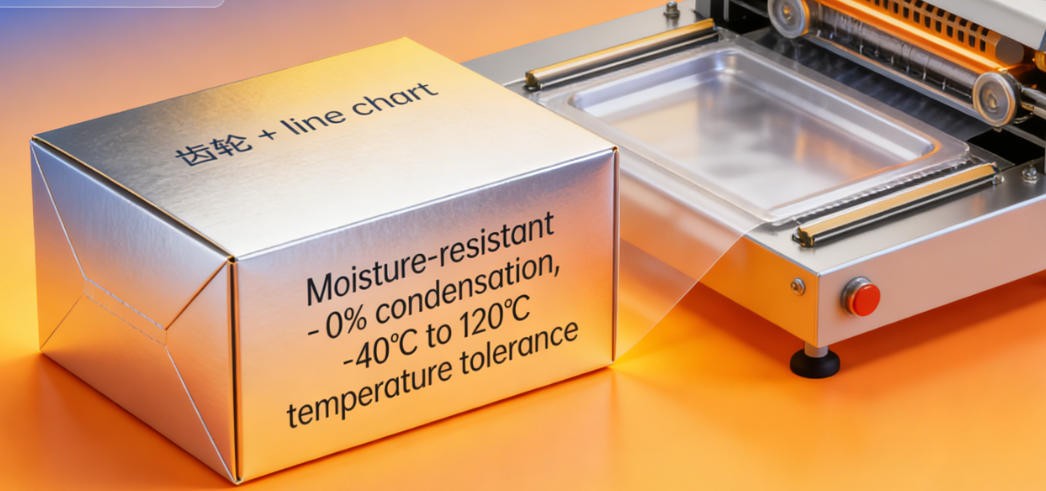
Choosing the right food packaging is crucial for maintaining product quality and brand reputation. Let's explore the different types of boxes available and how they can benefit your business.
What are the three types of boxes?
Are you confused by the sheer number of box options available? It's a common problem. Choosing the wrong one can lead to damaged goods and unhappy customers.
The three main types of boxes are folding cartons, rigid boxes, and corrugated boxes. Each has unique properties, making them suitable for different applications. For high-end food products, our Auto Rigid Boxes Machine is the perfect solution.
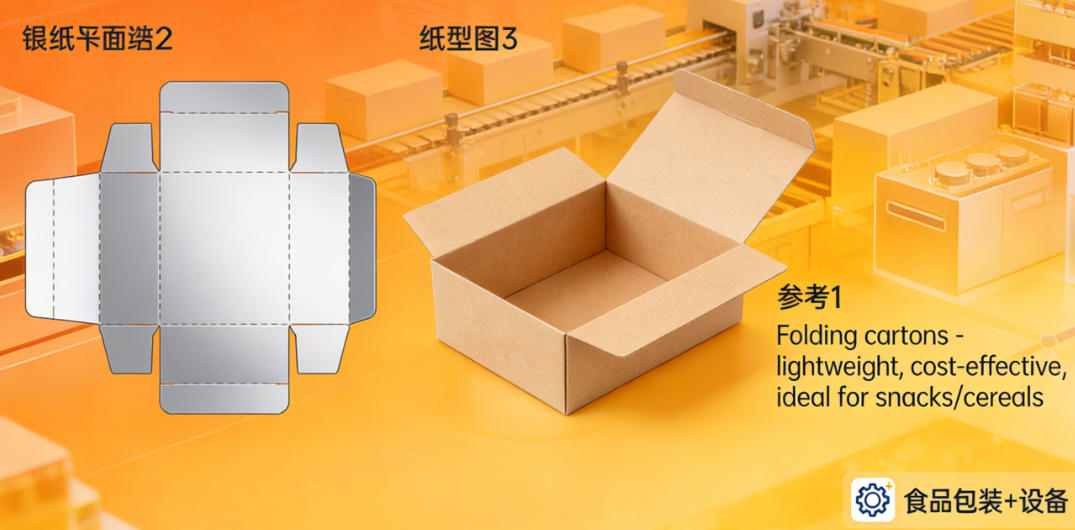
Understanding the differences between these box types is the first step to making an informed decision. Let's dive deeper into each one.
Folding Cartons
Folding cartons are the most common type of box. They are made from a single piece of paperboard that is cut, folded, and glued. They are lightweight and inexpensive, making them ideal for a wide range of products.
Rigid Boxes
Rigid boxes, also known as set-up boxes, are made from thick paperboard and are much sturdier than folding cartons. They are often used for luxury items and gift packaging. Our Semi Auto Polygon Rigid Box Wrapper can help you create unique and eye-catching rigid boxes.
Corrugated Boxes
Corrugated boxes are made from three layers of paper: an inside liner, an outside liner, and a fluted layer in between. This construction makes them incredibly strong and durable, perfect for shipping and protecting fragile items.
| Box Type | Material | Common Uses |
|---|---|---|
| Folding Cartons | Paperboard | Cereal, cosmetics, medicine |
| Rigid Boxes | Thick Paperboard | Electronics, jewelry, luxury goods |
| Corrugated Boxes | Paper Liners and Fluting | Shipping, moving, storage |
What are the four main types of packaging?
Feeling overwhelmed by packaging choices? You're not just choosing a box; you're creating a brand experience. The right packaging can make all the difference.
The four main types of packaging are primary, secondary, tertiary, and ancillary. Each serves a specific purpose in the product's journey from the factory to the consumer.
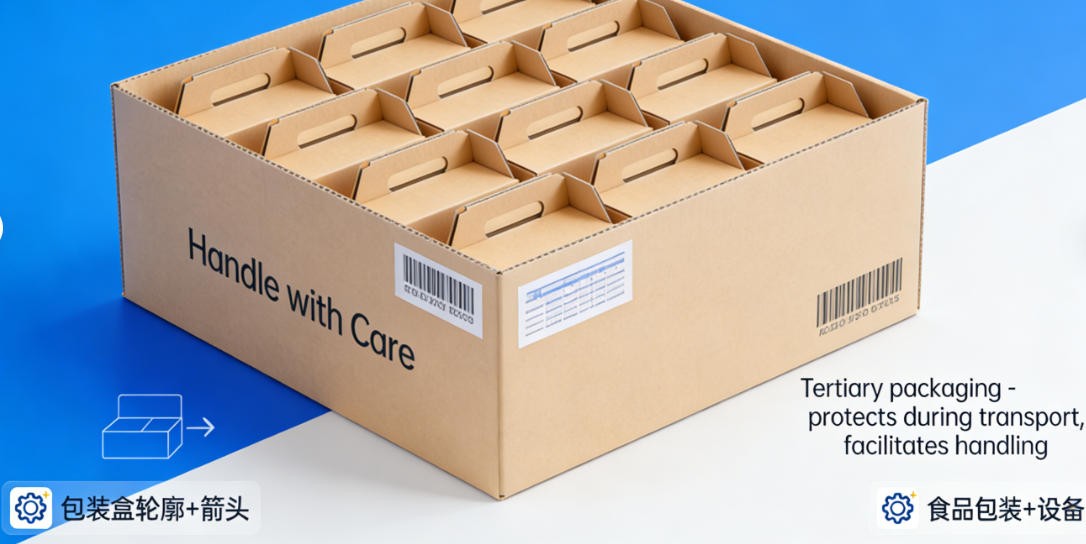
Let's break down these packaging types to help you understand their roles and how they work together to protect and promote your products.
Primary Packaging
Primary packaging is the packaging that is in direct contact with the product. It is the first layer of protection and is often designed to be attractive to consumers. For example, the bottle that holds a beverage or the wrapper on a candy bar.
Secondary Packaging
Secondary packaging is the packaging that groups together multiple units of a product. It is often used for branding and display purposes. For example, the box that holds a six-pack of soda or the carton that contains a dozen eggs. Our Connected box machine is perfect for creating custom secondary packaging.
Tertiary Packaging
Tertiary packaging is the packaging that is used to protect products during shipping and handling. It is often a large corrugated box that contains multiple units of secondary packaging.
Ancillary Packaging
Ancillary packaging includes all the extra materials used to protect and secure products, such as packing peanuts, bubble wrap, and tape. Our Glue Spraying Assembly Machine can help you automate your ancillary packaging process.
What is the best type of box?
Are you searching for the "best" box? The truth is, there's no one-size-fits-all answer. The ideal box depends entirely on your specific needs and product.
The best type of box is the one that provides the right level of protection, is cost-effective, and enhances your brand image. At Kylin Machine, we can help you create the perfect custom box for your products.
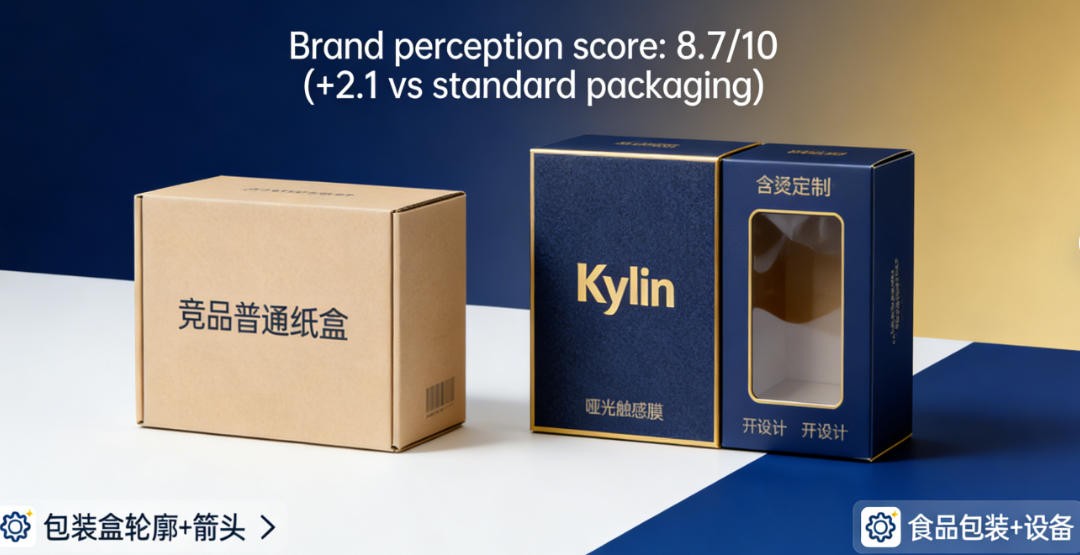
Let's explore the factors you should consider when choosing a box to ensure you make the best decision for your business.
Product Protection
The primary function of a box is to protect its contents. Consider the fragility of your product, its weight, and its susceptibility to moisture and temperature changes.
Cost-Effectiveness
The cost of packaging can have a significant impact on your profit margins. It's important to find a balance between quality and affordability.
Branding and Marketing
Your packaging is an extension of your brand. It should be visually appealing and communicate your brand's message to consumers. Our CCD Visual Anti-Mixing Detection Equipment can help you ensure your branding is consistent and error-free.
What are the different types of food storage?
Worried about your food products spoiling? Proper storage is just as important as the right packaging. The wrong storage can ruin even the best-packaged products.
The main types of food storage are dry storage, refrigerated storage, and frozen storage. Each is designed to preserve different types of food and prevent spoilage.
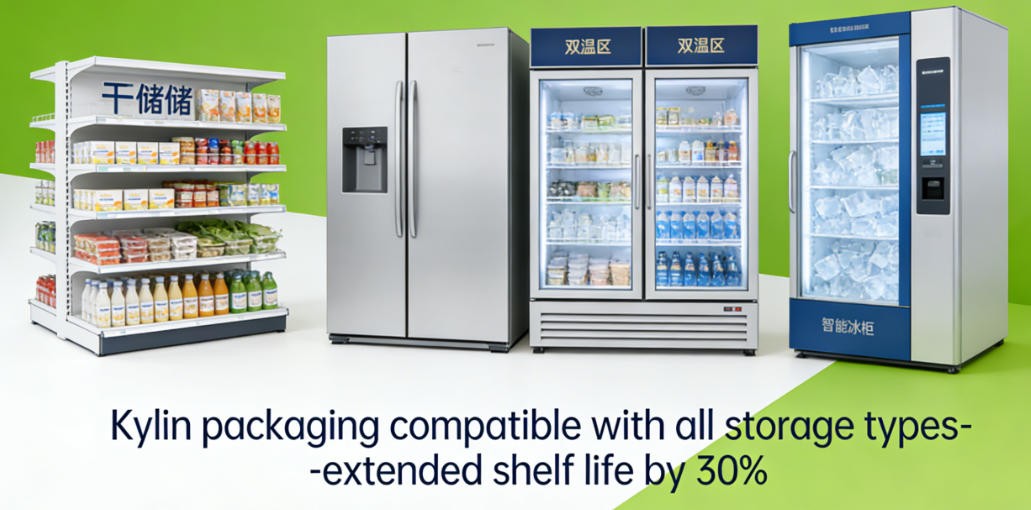
Let's take a closer look at these storage methods and how they can help you maintain the quality and safety of your food products.
Dry Storage
Dry storage is for foods that are shelf-stable and do not require refrigeration. This includes items like canned goods, grains, and pasta. The storage area should be cool, dry, and well-ventilated.
Refrigerated Storage
Refrigerated storage is for perishable foods that need to be kept at a low temperature to prevent spoilage. This includes items like dairy products, meat, and fresh produce.
Frozen Storage
Frozen storage is for foods that need to be kept at a freezing temperature to preserve them for a long period. This includes items like frozen fruits and vegetables, meat, and ice cream.
| Storage Type | Temperature | Common Foods |
|---|---|---|
| Dry Storage | 50°F to 70°F (10°C to 21°C) | Canned goods, grains, pasta |
| Refrigerated Storage | 32°F to 40°F (0°C to 4°C) | Dairy, meat, produce |
| Frozen Storage | 0°F (-18°C) or below | Frozen foods, ice cream |
Conclusion
In conclusion, choosing the right box and storage for your food products is essential for success. By understanding the different options available, you can ensure your products are well-protected and appealing to consumers.

发表回复