
What is the difference between a box and a carton?
Confused by packaging terms? Using "box" and "carton" the wrong way can cause costly mistakes. I will clarify the difference to help you speak precisely with your clients.
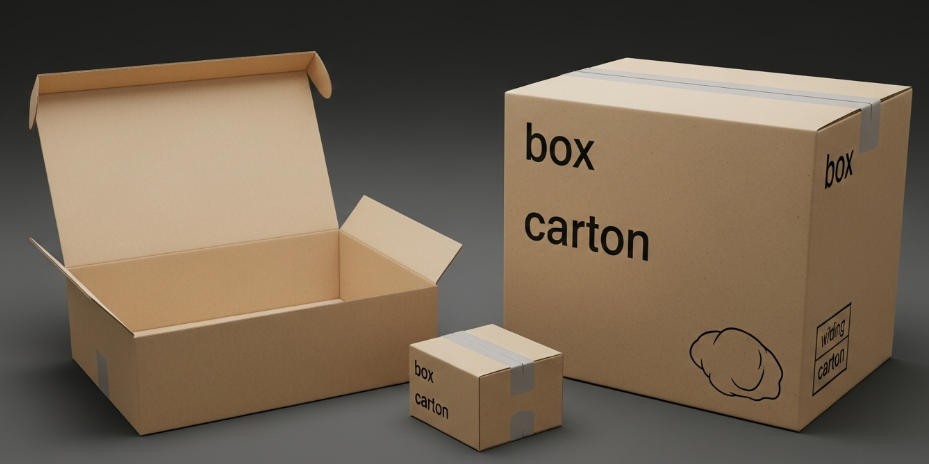
A box is a general term for a container, often made of a single, rigid material like paperboard. A carton is a specific type of box, usually made from corrugated fiberboard or folding paperboard, used for packaging products or for shipping larger quantities.
This seems like a small detail, but in our industry at Kylin Machine, getting it right is a big deal. The term you use affects everything from material choices to the type of machinery you need. Let’s look closer at why this difference is so important for your business.
What is the difference between a carton and a box?
Do you still feel the line between these two is blurry? Misunderstanding these terms can lead to ordering the wrong packaging. Let's break it down simply so you always choose right.
The main difference is often the material and construction. A "box" is a broad term, but often implies a more rigid, single-piece container for a product. A "carton" usually refers to a lighter folding container or a larger corrugated shipping container.
Let's dive deeper into this. In my 20 years of experience with packaging machinery, I have learned that material is everything. It dictates the machine, the process, and the final product's quality.
Material and Construction
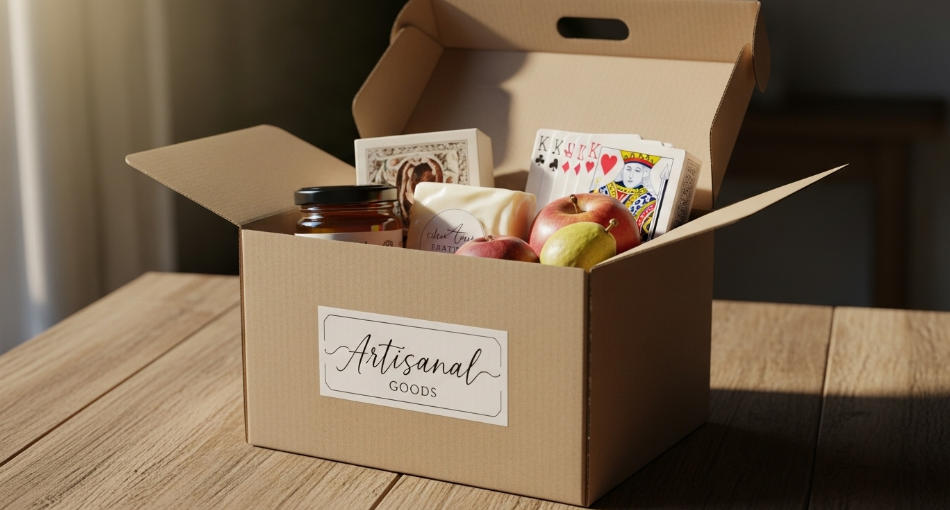
The material tells you most of the story. A "box" can be made from many things, but in our industry, it often refers to a rigid box. This is the kind of premium box you find holding a new smartphone or a piece of jewelry. It's made from thick, non-bending paperboard. Our machines at Kylin Machine specialize in creating these high-quality rigid boxes. A "carton" is different. It is typically made from one of two things: folding paperboard (like a cereal box) or corrugated fiberboard (the classic brown shipping container).
A Simple Comparison
| Feature | Box (Often Rigid Box) | Carton |
|---|---|---|
| Material | Thick, non-bending paperboard | Folding paperboard or corrugated fiberboard |
| Construction | Sturdy, does not collapse | Ships flat, assembled on-site |
| Common Use | Primary packaging for luxury goods | Primary packaging for consumer goods, shipping |
| Feel | Premium, durable | Lightweight or strong for shipping |
Thinking about it this way makes the choice clearer for your product.
Is it a box of milk or a carton of milk?
Ever debated this at the grocery store? This common question is actually a great example of a key packaging distinction. Let's settle it and see what it teaches us.
It is a "carton of milk." The container is made from layered paperboard with plastic and foil, also known as aseptic packaging. This specific type of container is almost always called a carton because of its unique material and function for holding liquids.
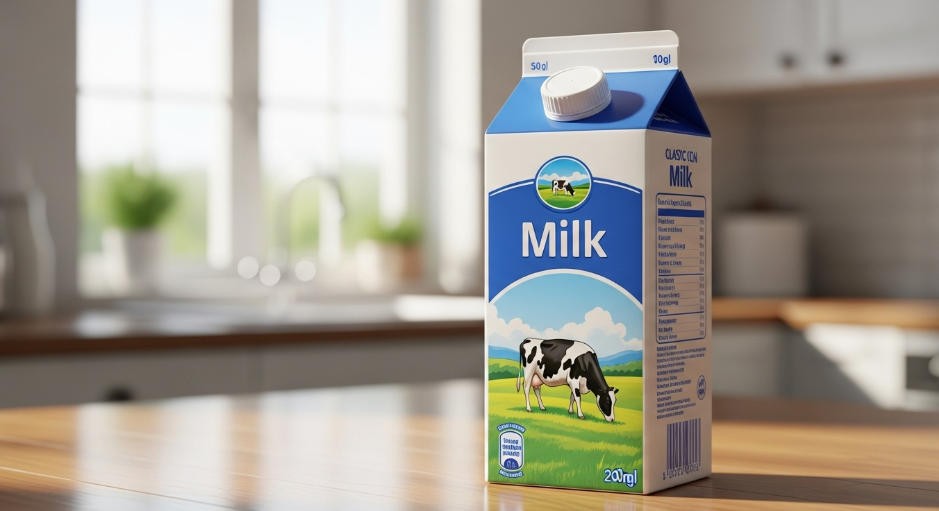
The term we use here is very specific for a good reason. The "milk carton" is a marvel of packaging engineering, and it is very different from the rigid boxes we manufacture.
The Aseptic Carton
That milk container is a special type called an aseptic carton. It is made of multiple layers. These layers usually include paper for stiffness, polyethylene (plastic) for a liquid-proof seal, and aluminum foil to block out light and oxygen. This combination keeps the milk fresh for months without needing to be in a fridge. This specialized function is why we call it a carton. It is engineered for a specific job that a simple box could not do.
Why Not a Box?
We do not call it a "box of milk" because "box" suggests a different structure, one meant for solid items. You would not pour milk directly into a standard paperboard box. The word "carton" here defines both the material and its special purpose for liquids. In my work, I see this all the time. The machines needed to create a multi-layer, liquid-tight carton are completely different from the machines we build for making high-end rigid boxes.
How many boxes are in a carton?
This might sound like a riddle, but it is a real logistics question for any business. Getting the answer wrong can disrupt your shipping and warehousing. Let's solve this packaging puzzle.
This question shows the two main uses of "carton". A carton can be a large, corrugated shipping container that holds multiple smaller product boxes. So, many "boxes" (the product's packaging) can be inside one "carton" (the shipping packaging).
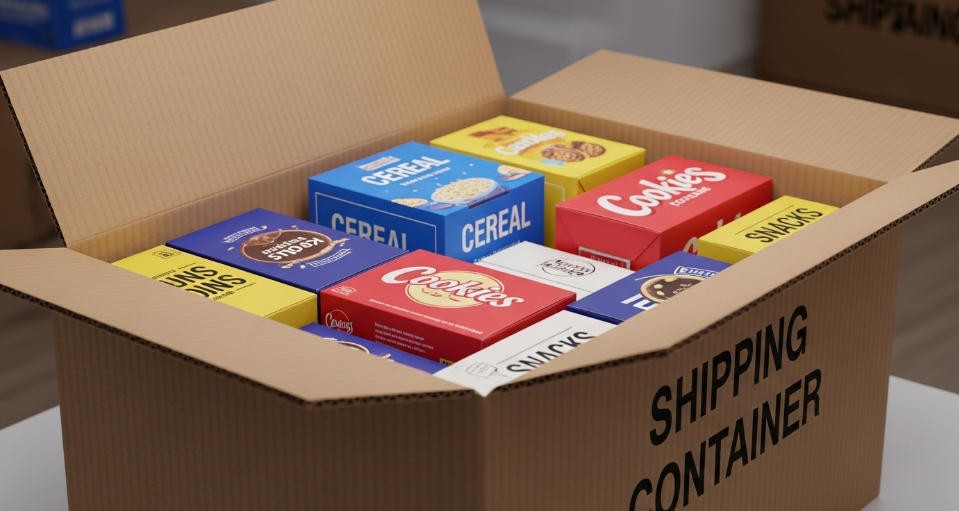
Understanding this relationship is fundamental for anyone in the printing and packaging business. It is all about the different levels of packaging.
Primary vs. Secondary Packaging
We have to think in layers.
- Primary Packaging: This is the container the product comes in. Think of the beautiful, sturdy box your new watch came in. This is what the customer sees on the shelf. The high-quality rigid boxes made with our Kylin machines are a perfect example of primary packaging. They protect the product and create a premium feel.
- Secondary Packaging: This is the container that holds multiple units of the primary packaging. It is used to group products for shipping or display. That large, brown corrugated container that holds 24 watch boxes is the secondary packaging. We usually call this a "shipping carton".
This hierarchy is essential for an efficient supply chain. From our factory in China, we ship our machines to customers all over the world, so we are experts in making sure every level of packaging is secure.
Is it a carton or box of eggs?
Here is another grocery store puzzle that teaches a real packaging lesson. The container for eggs is unique. Is it a box or a carton? The answer reveals a lot about function.
It is called an "egg carton." This is a special container, usually made from molded pulp or plastic. Its unique design is engineered to protect fragile eggs. The term "carton" is used because of this specific form and protective function.
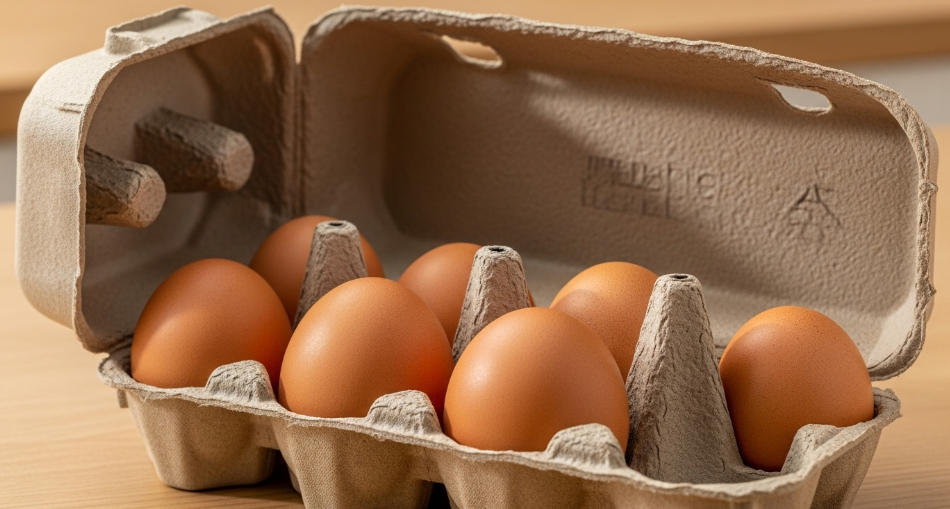
The egg carton is a perfect example of how a product's needs define the packaging. Its design is all about one thing: protection.
Function Defines the Name
An egg carton's main job is to protect. It uses a structure of cones and cups made from molded pulp to cushion each egg. This prevents them from bumping into each other and breaking during transport. A standard, flat-sided "box" would not offer this kind of built-in protection. You would need separate inserts. Because its form is so tied to its function, we give it the specific name "carton". At my company, we build machines for round boxes or collapsible boxes. The names describe their function, even though they are all types of boxes.
Material and Design
The material is also key. Molded pulp, which is made from recycled paper and water, is a great choice. It is strong, lightweight, and sustainable. This focus on how material and design work together is critical in our industry. When we design a new machine, we always think about how it will handle the paperboard to create a final product that is both beautiful and functional.
Conclusion
A box is a general term, but a carton is specific. The real difference comes down to the material, the construction, and the job it needs to do.

发表回复