

What materials are best suited for luxury jewelry boxes?
Choosing materials for luxury jewelry boxes can be tricky. A poor choice might make valuable items look cheap. I will help you find the best materials for that special, premium feel.
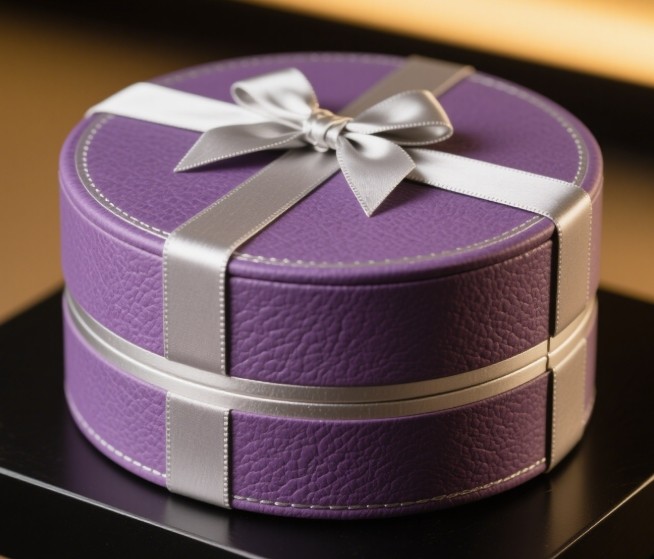
For truly luxurious jewelry boxes, the best materials include high-quality rigid board, often wrapped in premium papers or fabrics like velvet or silk. Fine woods such as cherry or walnut, and genuine or top-grade faux leathers, also offer unmatched elegance, durability, and a superior tactile experience.
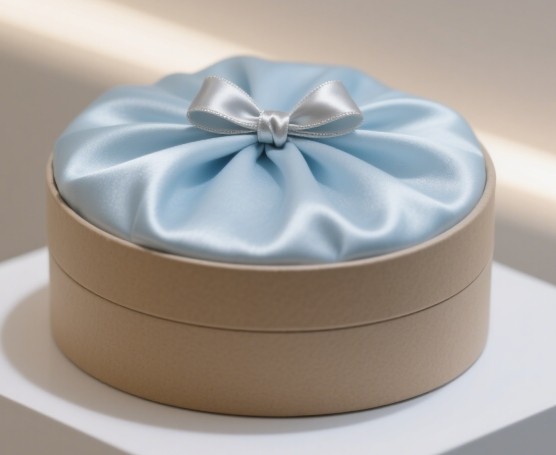
Now you have an idea of the top material choices for luxury. But, you might wonder what specific things make each material a good pick. And how does making the box play a part in all this? Let's look closer at these points.
What is the best material for a jewelry box, really?
You see so many material options. How do you pick the very "best" one? A material that isn't quite right can spoil the luxury feel. I want to show you what makes a material truly the "best" choice.
The "best" material for a jewelry box expertly combines beautiful looks, strong protection, good value for money, and a perfect match with the brand's image. Often, a sturdy rigid board covered with special paper or fine fabric gives the best mix for high-end appeal and safety.
When we talk about the "best" material, it's a bit personal for each brand. However, there are some common things everyone looks for in luxury packaging.
Key Factors Defining "Best"
- Aesthetics: This is all about how the box looks and feels. Does it give off a sense of high value? The texture, the color, and the overall visual appeal are very important.
- Durability: The box must protect the jewelry inside. It also needs to last a long time itself. A strong box shows quality.
- Customization: How well can you print on the material? Can you add special finishes like embossing or foil stamping? Luxury brands often want unique designs.
- Brand Alignment: The material must fit the luxury status of the jewelry. It should tell the same story of quality and exclusivity as the items it holds.
Here's a simple table to compare some materials based on these factors:
| Material | Aesthetics | Durability | Customization | Brand Fit (Luxury) |
|---|---|---|---|---|
| Rigid Board (Wrapped) | High | Good | Excellent | Excellent |
| Solid Wood | Very High | Very Good | Good | Very High |
| Leather/Faux Leather | High | Good | Good | High |
| High-End Plastic | Medium to High | Good | Good | Medium to High |
At Kylin Machine, I've seen many of our clients create amazing rigid boxes. Our machines, especially the Robotic Spotter and Hybrid systems, are built to work perfectly with materials like premium paper and strong greyboard. These materials, when combined, form the core structure for many of what I'd call the "best" luxury boxes. The accuracy our machines provide ensures these materials are turned into perfect packaging. This really boosts the perceived value of the jewelry inside. For example, our automatic rigid box making lines handle the laminated papers and boards that become the elegant and sturdy base of so many high-end jewelry boxes. This precision is vital when you want the "best" material to truly stand out and impress.
What are most jewelry boxes made of?
Are you curious about what goes into making most jewelry boxes you see? If you don't understand the common materials, you might make choices that don't fit your needs. I want to help you learn what materials are most often used to build jewelry boxes today.
Most jewelry boxes, particularly in the general and mid-level markets, are constructed from rigid cardboard or paperboard. For luxury items, this strong core is usually wrapped in high-quality papers, elegant fabrics, or fine leathers. Solid wood and premium plastics are also used for high-end boxes.
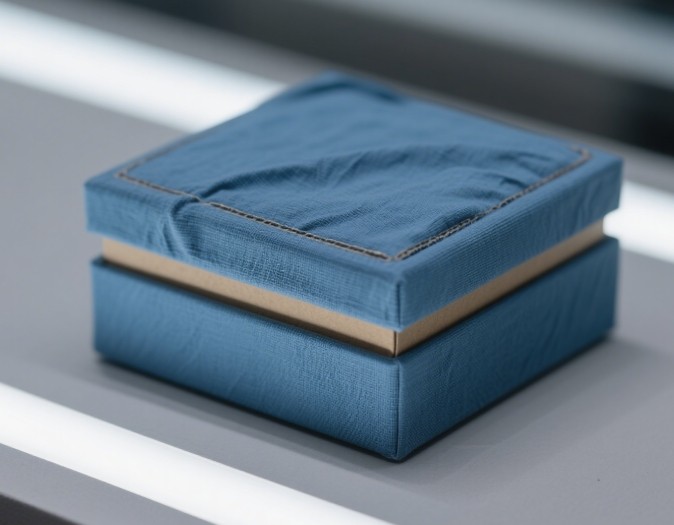
Let's look at why certain materials are so common in jewelry box making. Each has its own benefits.
Common Material Breakdown
- Cardboard/Paperboard (often Greyboard):
- This is a very popular choice because it doesn't cost too much.
- When it's thick, like in rigid boxes, it provides good structural strength.
- It's also very versatile. You can easily wrap it with beautiful papers, fabrics, or leathers to get a luxury finish.
- Wood:
- Wood has always been linked with luxury.
- The types can range from MDF (Medium-Density Fiberboard), which is more affordable, to solid hardwoods like oak or cherry for a truly premium feel.
- Plastics:
- These are generally used more for mass-market jewelry boxes. However, some high-grade acrylics or specially molded plastics can be used for modern, sleek display boxes.
- Metal:
- It's less common for the entire box to be metal. Usually, you see metal used for accents, like hinges and clasps, or for very small, durable cases.
As you know, at Kylin Machine, we specialize in making machinery for rigid box production. This method is very common for creating the structure of many luxury jewelry boxes. Why is that? It's because rigid board, which is a type of paperboard, offers excellent strength. It also gives a premium feel when it's properly finished. Our machines, like our automatic rigid box makers, are designed to precisely cut, V-groove, and assemble these boards. After the basic box is formed, it can be wrapped with beautiful papers or fabrics. This process makes paperboard one of the most common core materials for quality jewelry packaging. Our technology ensures that even though paperboard is a common material, the final product feels special and far from ordinary. We help our clients in the packaging and printing business transform this versatile material into sophisticated packaging solutions efficiently and with high quality.
What fabric is used in jewelry boxes?
The soft lining inside a jewelry box is very important for protecting precious items. If you pick the wrong fabric, it could scratch or even tarnish your valuable jewelry. I want to guide you to discover the ideal fabrics to use for jewelry box interiors.
Common fabrics chosen for jewelry box linings include velvet, suede, silk, satin, and soft faux leather (PU leather). These materials are selected for their gentleness, non-abrasive qualities, and luxurious appearance, ensuring delicate jewelry is well-protected and beautifully presented.
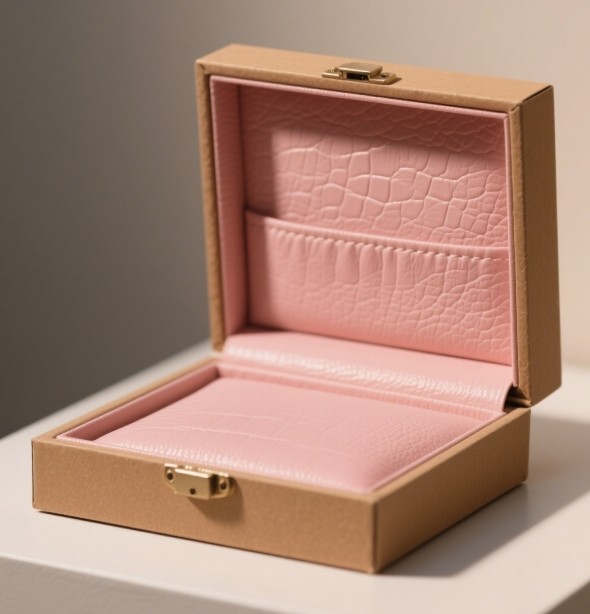
Different fabrics offer different benefits for lining jewelry boxes. Let's explore some popular choices.
Popular Lining Fabrics
- Velvet:
- Pros: It feels very plush and has a classic luxury appearance. It also provides good cushioning for jewelry.
- Cons: It can sometimes attract dust and lint.
- Suede/Microsuede:
- Pros: This fabric is soft and gives a modern luxury feel. It's often more durable and less prone to showing wear than velvet.
- Cons: It can be a bit more expensive than some other options.
- Silk/Satin:
- Pros: These fabrics are very smooth, often have a nice sheen, and look very elegant.
- Cons: They can be quite delicate and might snag if not handled carefully.
- Faux Leather (PU - Polyurethane):
- Pros: It's durable, generally easy to clean, and offers a consistent look.
- Cons: Some people might not find it as luxurious to the touch as natural fabrics like silk or real suede.
Here's a table summarizing these fabric properties:
| Fabric | Softness | Durability | Luxury Feel | Anti-Tarnish* |
|---|---|---|---|---|
| Velvet | Very High | Medium | High | Variable |
| Suede | High | Good | High | Variable |
| Silk/Satin | High | Low-Medium | Very High | Good |
| Faux Leather | Medium | Good | Medium-High | Good |
Note: Anti-tarnish properties often depend on specific chemical treatments applied to the fabric, not just the fabric type itself.
While Kylin Machine's focus is on the machinery that creates the structure of the boxes, I know the choice of lining fabric is a very important design decision for our customers. The high-quality rigid boxes that our machines produce often feature custom-made inserts and linings. For example, a client might use our equipment to make a perfect rigid box. Then, they might use other post-press machinery (some of which we also provide solutions for) to create a die-cut insert. This insert is then carefully lined with a luxurious fabric like velvet or suede. The precision of the box structure itself, which our machines guarantee, allows for a perfect, snug fit of these fabric-lined inserts. This combination of a well-made box and a quality fabric interior really elevates the entire product. Our customers rely on our machines to create the strong, precise "shell" that perfectly houses these beautiful and protective fabric elements.
What packaging is best for jewelry?
Jewelry probably needs more than just a nice box, don't you think? If the packaging isn't complete, it can make your brand seem less valuable. I want to help you understand what makes up the complete, optimal packaging solution for jewelry.
The best packaging for jewelry usually includes a primary luxury box, often a rigid type. This is then complemented by soft pouches, branded tissue paper, a sturdy outer gift bag or a secondary shipping box, and often informative inserts or certificates of authenticity.
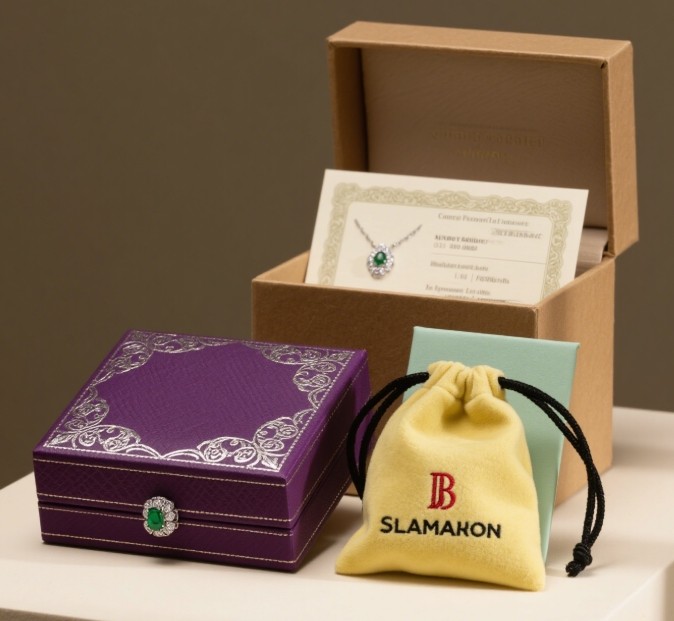
Creating the best packaging for jewelry means thinking about more than just the box. It's about the entire experience.
Elements of Best Jewelry Packaging
- Primary Packaging (The Jewelry Box):
- This is the main box holding the jewelry. As we've discussed, the material (like rigid board, wood, leather), construction quality, and lining (velvet, suede) are key.
- It must clearly show brand elements like the logo and brand colors.
- Inner Wrappings/Protection:
- Soft pouches, often made of fabric like satin or microfiber, add an extra layer of protection and luxury.
- Anti-tarnish strips or specially treated paper can help keep silver or other metals from discoloring.
- Branded tissue paper adds to the unboxing experience.
- Secondary Packaging:
- Stylish gift bags, usually made from quality paper with nice handles (like rope or ribbon), make the purchase feel more special.
- A protective outer box is important for shipping or if the item will be handled a lot in a retail store.
- Inserts & Collateral:
- Certificates of authenticity add value and trust.
- Care instructions help the customer look after their jewelry.
- Small cards telling the brand's story or highlighting the craftsmanship can connect with the customer.
At Kylin Machine, my team and I provide the advanced machinery that produces key parts of this "best packaging" system. We especially excel in equipment for luxury rigid boxes. These are often the star of the primary packaging. Our machines can also be used to create sophisticated outer boxes or even elements for high-quality paper gift bags. For instance, our fully automatic rigid box machines produce the core jewelry box with exceptional precision. Some of our other post-press solutions can help in creating beautifully printed and finished inserts or the structural components of premium paper bags. I believe the quality of the primary box, which our machines help our clients perfect, really sets the tone for the entire unboxing experience. If that main box is flawed, the rest of the packaging effort can be wasted. We work hard to ensure our clients in the graphic arts and paper converting industries can produce these foundational packaging elements with high precision and efficiency. This allows them to build the rest of their "best packaging" suite around a core product that truly shines. Think about the precise V-grooving, accurate positioning by our Robotic Spotters, and strong gluing our machines achieve – this makes the box itself a statement of quality.
Conclusion
Choosing suitable materials and precise production is vital for luxury jewelry boxes. At Kylin Machine, we provide the technology to help you create that perfect, impressive foundation for all your exquisite packaging needs.

发表回复