

What sizes are available for printed jewelry boxes?
Struggling to pick the right printed jewelry box size? A wrong choice can ruin your presentation. I will help you find the perfect fit for your beautiful items.
Printed jewelry boxes come in many sizes. You can find small boxes for rings. You can also find larger cases for necklaces. Common sizes are made for specific jewelry types. This ensures a good fit and a nice look.
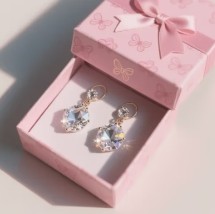
Choosing the right size is very important for your jewelry. It makes sure your items look their best and stay safe. But there is more to think about than just the general sizes you see. We need to look at this more closely. This will help you make a smart choice for what you need. Let's explore the details.
What is the size of a jewelry box?
Are you confused about what "size" really means for jewelry boxes? Generic descriptions can be tricky. This might lead to you buying the wrong boxes. Let me help you understand typical sizes and how they fit different jewelry.
Jewelry box sizes are usually given by their length, width, and height. These measurements change a lot. They are designed to hold everything from tiny earrings to big bracelet sets. This variety helps you find a good match.
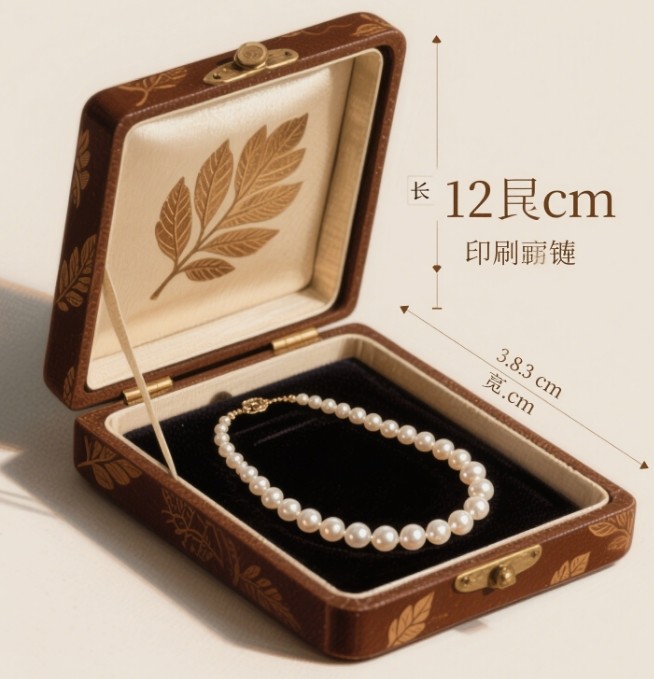
When we talk about the size of a jewelry box, we are looking at its three main dimensions: length, width, and height. These are crucial for anyone in the packaging or printing business. Your clients, who sell jewelry, rely on you to provide boxes that fit their products perfectly. At Kylin Machine, we understand this need for precision. Our machines, especially our rigid box making lines, are designed to produce a wide array of box sizes.
Common jewelry box sizes you might see include:
- Ring boxes: Often small and square, like 5cm x 5cm x 3cm.
- Earring boxes: Similar to ring boxes, maybe a bit larger, like 7cm x 7cm x 4cm.
- Necklace boxes: Usually rectangular and flatter, such as 15cm x 10cm x 3cm, or longer for pendants.
- Bracelet boxes: These can be square like 9cm x 9cm x 4cm or more elongated, like 20cm x 5cm x 3cm.
With Kylin packaging machinery, businesses like yours can easily create these standard sizes. More importantly, you can also offer custom sizes. This flexibility is key. It helps your customers in the graphic arts and paper converting industries serve their own clients better. Our technology ensures that no matter the size, the quality remains high.
How to measure a jewelry box?
Are you unsure how to measure a jewelry box correctly for your products? Making a mistake here can mean your boxes don't fit. This looks unprofessional. I will show you the simple steps to measure correctly every time.
To measure a jewelry box, you need to find its internal dimensions. These are the length, width, and depth (or height) inside the box. This makes sure your jewelry fits well and is protected.
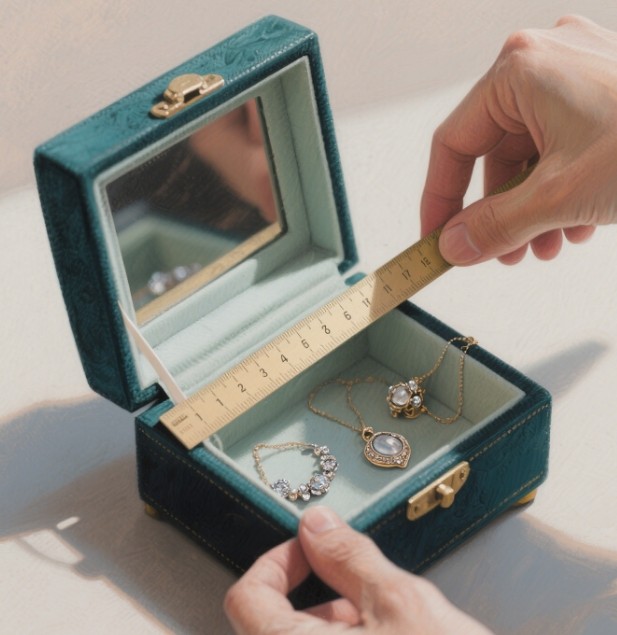
Measuring a jewelry box seems simple, but precision is very important, especially when you are producing them in large quantities. For your customers in the printing and packaging business, providing accurately sized boxes is essential. You will want to measure the internal dimensions. This is because the jewelry needs to fit inside the box.
Here’s how I advise people to do it:
- Get your tools: A simple ruler or, for more accuracy, calipers will work well.
- Measure the Length: Open the box. Measure the longest side of the inside base.
- Measure the Width: Next, measure the shorter side of the inside base.
- Measure the Depth/Height: Finally, measure from the inside bottom of the box up to the top edge of the side. Don't include the lid height unless it's a telescoping box where lid depth matters for fit.
Remember to also think about any inserts. If the box will have a velvet or foam insert, this will take up some space. You need to account for that. When we at Kylin Machine design our equipment, like our advanced robotic spotters, we focus on precision. These machines assemble rigid boxes based on exact specifications. So, providing accurate measurements for your box designs is critical for achieving the high-quality, consistent output that our machines can deliver. This ensures the boxes your business produces will perfectly match your clients' needs.
What are the different compartments in a jewelry box for?
Do you ever look at a jewelry box and wonder why it has so many different sections? If you don't understand what they are for, you might not be using the box in the best way. Let me explain how these compartments help organize and protect jewelry.
Compartments in a jewelry box help you organize different kinds of jewelry. They stop necklaces from tangling. They prevent earrings from scratching each other. They keep rings, earrings, and necklaces separate and safe.
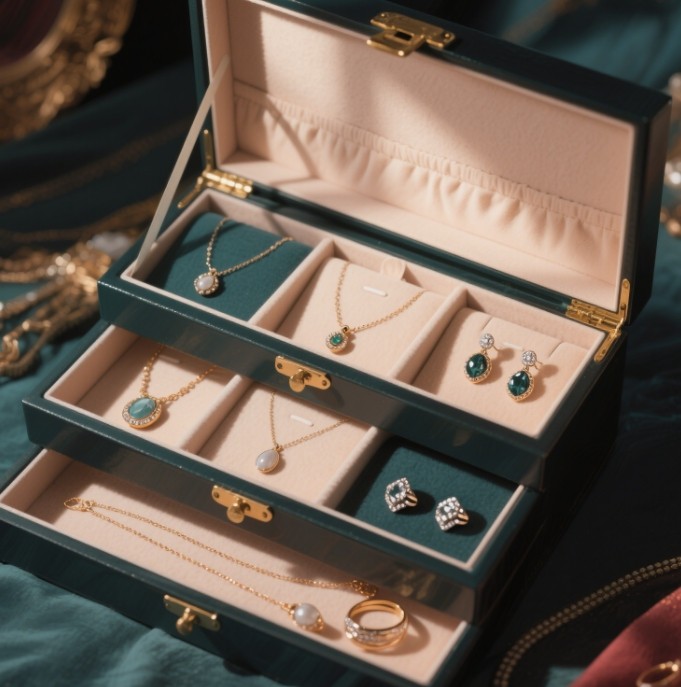
Different compartments in a jewelry box serve specific purposes. They are not just there for show. They make the box much more useful. For businesses producing these boxes, understanding compartment design is part of delivering a complete packaging solution. While your Kylin machines will make the outer shell of the rigid box, the design of that shell must accommodate potential inserts with various compartments.
Here are some common types of compartments and their uses:
- Ring Rolls or Slots: These are soft, padded rows designed to hold rings upright and secure.
- Small, Square Sections: Perfect for pairs of earrings, keeping them separate and preventing loss or scratches.
- Larger, Open Sections: These are good for bracelets, bangles, or chunkier necklaces that need more space.
- Long, Narrow Sections: Ideal for delicate chain necklaces to lay flat and avoid tangling.
- Covered Compartments: Sometimes a box has a section with its own small lid, useful for very special or delicate items.
Different compartments in a jewelry box serve specific purposes. They are not just there for show. They make the box much more useful. For businesses producing these boxes, understanding compartment design is part of delivering a complete packaging solution. While your Kylin machines will make the outer shell of the rigid box, the design of that shell must accommodate potential inserts with various compartments.
Here are some common types of compartments and their uses:
- Ring Rolls or Slots: These are soft, padded rows designed to hold rings upright and secure.
- Small, Square Sections: Perfect for pairs of earrings, keeping them separate and preventing loss or scratches.
- Larger, Open Sections: These are good for bracelets, bangles, or chunkier necklaces that need more space.
- Long, Narrow Sections: Ideal for delicate chain necklaces to lay flat and avoid tangling.
- Covered Compartments: Sometimes a box has a section with its own small lid, useful for very special or delicate items.
Different compartments in a jewelry box serve specific purposes. They are not just there for show. They make the box much more useful. For businesses producing these boxes, understanding compartment design is part of delivering a complete packaging solution. While your Kylin machines will make the outer shell of the rigid box, the design of that shell must accommodate potential inserts with various compartments.
Here are some common types of compartments and their uses:
- Ring Rolls or Slots: These are soft, padded rows designed to hold rings upright and secure.
- Small, Square Sections: Perfect for pairs of earrings, keeping them separate and preventing loss or scratches.
- Larger, Open Sections: These are good for bracelets, bangles, or chunkier necklaces that need more space.
- Long, Narrow Sections: Ideal for delicate chain necklaces to lay flat and avoid tangling.
- Covered Compartments: Sometimes a box has a section with its own small lid, useful for very special or delicate items.
The primary benefit of these compartments is organization. They also provide excellent protection by preventing items from rubbing against each other. This is crucial for valuable jewelry. When your customers in the paper converting industry design boxes, they should think about these internal needs. The rigid boxes produced by Kylin machinery provide a strong and stable structure. This structure can easily support various types of inserts, whether simple cardboard dividers or more complex flocked foam. The precision of our machines ensures the box dimensions are accurate, allowing these inserts to fit perfectly.
What size box for bracelets?
Do you need the perfect box for bracelets but feel unsure about the ideal size? A box that is too big or too small can make a lovely bracelet look bad. It might even risk damaging the bracelet. Let me help you find the common and best sizes for bracelet boxes.
For bracelets, boxes are usually rectangular or long and square. Common sizes go from about 8cm x 8cm x 3cm for thin chains. They can be up to 22cm x 6cm x 4cm for wider cuffs or if you want to put several bracelets in one box.
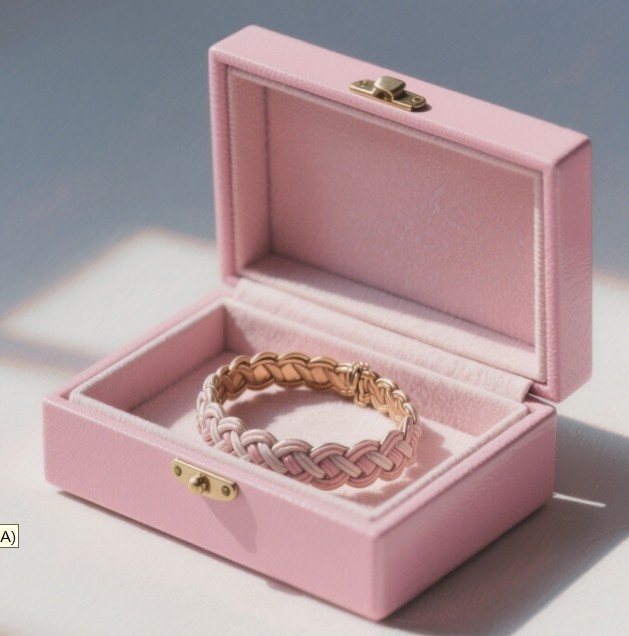
Choosing the right size box for bracelets is important for presentation and protection. As a supplier of packaging machinery, I've seen how crucial this is for our B2B customers. They need to offer a range of options to their clients in the jewelry sector. The size of a bracelet box depends on a few things:
- Type of Bracelet: A delicate chain bracelet needs a smaller, perhaps flatter box than a chunky bangle or a wide cuff.
- Quantity: Is the box for a single bracelet or a set?
- Presentation Style: Will the bracelet lay flat, be wrapped around a cushion, or sit in a molded insert?
Here are some typical dimensions I see for bracelet boxes:
- For delicate chain bracelets or single thin bangles: A box around 8cm x 8cm x 3cm (L x W x H) or a longer, narrower box like 20cm x 5cm x 3cm can work well.
- For wider cuff bracelets or multiple bracelets: You might need a box closer to 10cm x 10cm x 4cm, or an elongated one like 22cm x 6cm x 4cm, sometimes even a bit deeper.
At Kylin Machine, our equipment is designed to handle this variety. Our rigid box making machines can be configured to produce these different sizes efficiently. For example, the Kylin WM-ROBOT600 Automatic Rigid Box Machine with its robotic spotter system is excellent for producing consistently high-quality boxes, whether they are small and square or long and rectangular like many bracelet boxes. This allows our customers in the paper converting and graphic arts industries to cater to the diverse needs of jewelry brands, offering them perfectly sized packaging solutions. The ability to adjust production for different dimensions quickly is a big advantage our machines provide.
Conclusion
Choosing the right jewelry box sizes is key. Understanding dimensions and compartments helps. Kylin Machine is here to support your business in producing these diverse and high-quality packaging solutions.

发表回复