

What are the types of paper box packaging?
Choosing the right box feels overwhelming? So many options can make your head spin. Let me help you understand the main types simply.
Paper box packaging includes several key types. The most common are folding cartons, rigid boxes (often used for gifts or luxury items), and corrugated boxes used for shipping.
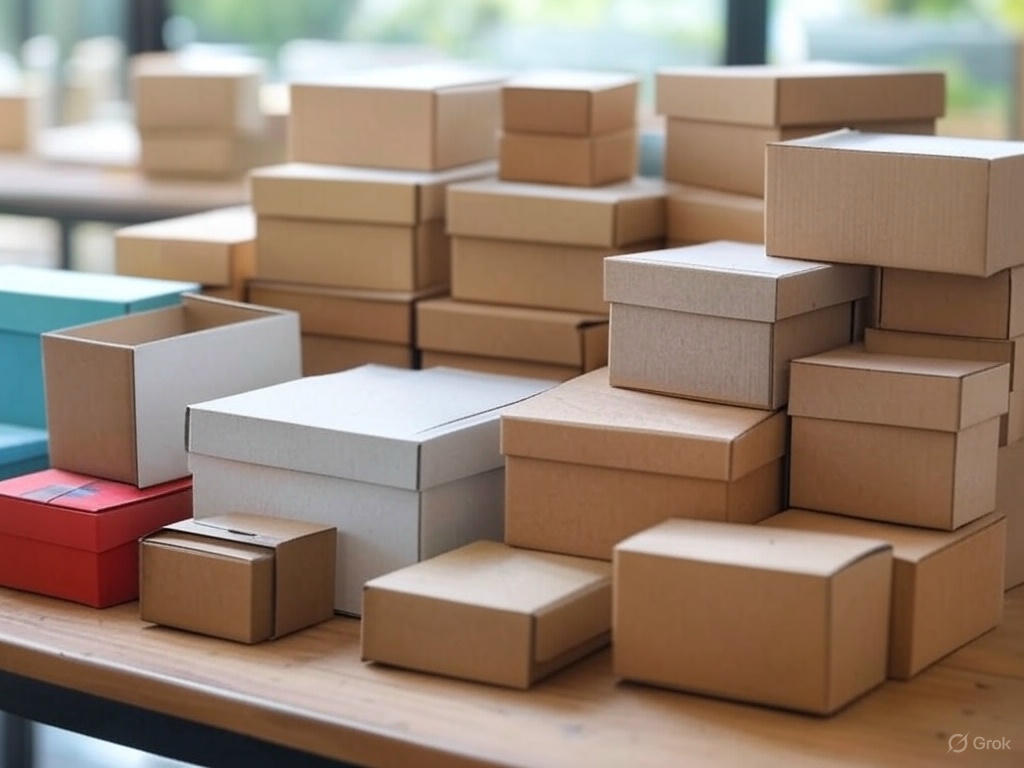
Understanding these basic categories is the first step. Knowing the differences helps you choose the right packaging for your product and brand. It also guides you toward the right manufacturing process. Let's explore these types in more detail so you can make informed decisions for your business.
What are the different types of paper boxes?
Need to know specific box styles? Generic names don't always help visualize. Let's look at common examples you see every day.
Different paper boxes include everyday folding cartons for retail products, sturdy rigid boxes for items like electronics or jewelry, and strong corrugated boxes primarily for shipping.
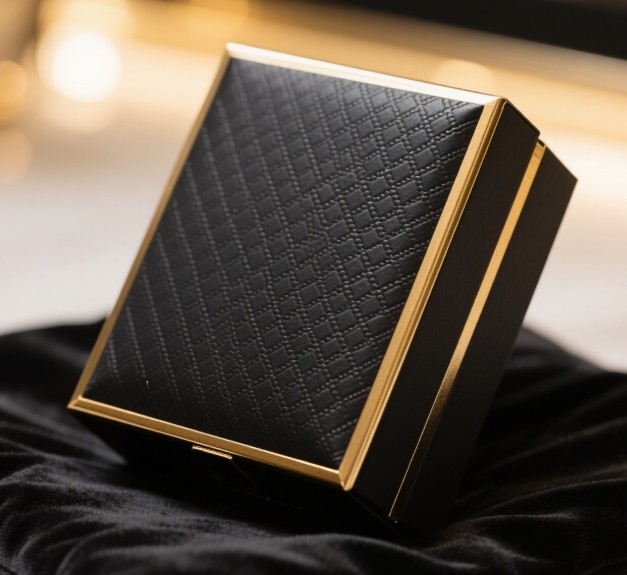
Let's dive deeper into these common types. Each serves a different purpose and requires different production methods. I remember visiting a client who switched from a basic carton to a rigid box for their high-end candles, and their sales improved noticeably. It showed me how much the box itself matters.
Folding Cartons
Folding cartons are very common. You see them holding cereal, toothpaste, or small electronics. They are usually made from paperboard. The paperboard is cut, printed, and scored. Then, it's shipped flat to save space. The end-user folds it into shape when needed. They are cost-effective for large volumes. They offer good space for printing graphics and product information. However, they offer less protection than other types.
Rigid Boxes
Rigid boxes are stronger and don't fold flat. Think of boxes for smartphones, board games, or luxury items like watches and jewelry. They are made from thicker chipboard wrapped in paper or other materials. They feel premium and offer excellent protection. Because they are pre-formed, they take up more storage space. Production is more complex, often involving specialized machinery like the ones we build at Kylin Machine. These boxes significantly enhance perceived value.
Corrugated Boxes
Corrugated boxes are known for strength. They are typically used as shipping boxes or for large retail displays. They have a fluted layer sandwiched between flat linerboards. This structure provides cushioning and durability. The strength depends on the type of flute and the number of layers (single wall, double wall). While often plain brown, they can also be printed.
Here's a quick comparison:
| Feature | Folding Carton | Rigid Box | Corrugated Box |
|---|---|---|---|
| Material | Paperboard | Chipboard + Wrap | Corrugated Fiberboard |
| Strength | Low | High | Very High |
| Collapsible | Yes | No | Usually Yes |
| Cost | Low | High | Medium |
| Primary Use | Retail Product Package | Luxury Goods, Gifts | Shipping, Storage |
| Appearance | Good Print Surface | Premium Look & Feel | Functional, Printable |
What are the different types of paper packaging?
Thinking packaging is only about boxes? You might be missing other useful paper options. Let's broaden our view beyond just the box itself.
Paper packaging isn't just boxes. It also includes paper bags (retail, grocery), paper wraps (food, gifts), paper tubes (posters, cosmetics), and paper mailers (documents, small items).
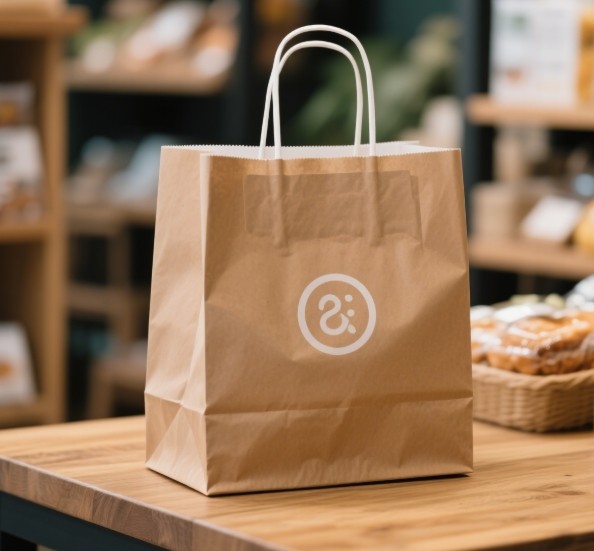
Paper offers amazing versatility in packaging. Exploring these other forms can provide solutions you hadn't considered. Sometimes, a combination works best – maybe a product in a rigid box placed inside a branded paper bag. Let's look at some of these alternatives.
Paper Bags
Paper bags are everywhere, from grocery stores to high-end boutiques. They range from simple brown Kraft bags to custom-printed shopping bags with handles. Materials vary, affecting strength and appearance. Some have flat bottoms, others pinch bottoms. They are recyclable and often made from recycled content, making them a sustainable choice. Some luxury brands use very thick, high-quality paper bags that almost feel like a box, enhancing the customer experience.
Paper Wraps
Think of butcher paper, tissue paper, or branded wrapping paper. Paper wraps provide a protective layer, add branding, or enhance the unboxing experience. Tissue paper inside a rigid jewelry box, for example, adds a touch of elegance. Waxed or coated papers are used for food items to provide grease or moisture resistance. They are flexible and conform to the product shape.
Paper Tubes
Cardboard or paper tubes are cylindrical containers. They are great for shipping posters, documents, or even packaging items like cosmetics, candles, or snacks. They offer good protection against crushing. The ends are usually capped with plastic, metal, or paper closures. They provide a unique shape and good branding opportunities on the curved surface.
Paper Mailers
These are envelopes or flat pouches made from sturdy paper or paperboard. Some are padded with materials like bubble wrap (though less common now) or corrugated paper for extra protection. They are ideal for shipping flat or small items like books, clothing, or documents. They are often lighter and take up less space than boxes, potentially reducing shipping costs.
Understanding these options helps create a complete packaging strategy.
How many types of packaging boxes are there?
Do you want a simple number for box types? It's tricky because it depends on how you count. Let's explore why there isn't just one answer.
There isn't a single, fixed number for how many types of packaging boxes exist. The number varies greatly depending on how you classify them – by material, structure, or end-use.
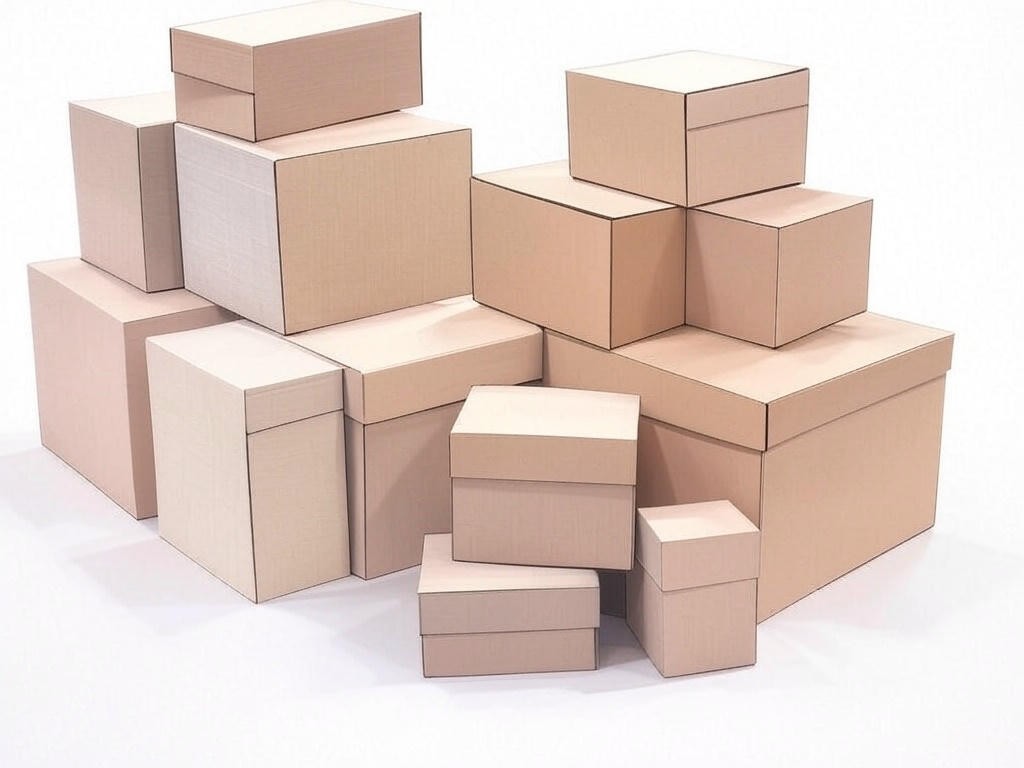
It's more helpful to understand the ways boxes can be categorized rather than searching for one magic number. I've worked in this industry since 2003, and I've seen countless variations. Innovation constantly adds new possibilities, especially with advanced machinery enabling complex designs.
Categorization by Material
You can group boxes by what they are made of.
- Paperboard Boxes: Includes folding cartons made from various grades of paperboard.
- Chipboard Boxes: Often forms the core of rigid boxes.
- Corrugated Boxes: Made from corrugated fiberboard with different flute sizes and wall counts.
- Solid Fiberboard Boxes: Heavy-duty board, less common but very strong.
Categorization by Structure
How the box is built offers another way to classify.
- Folding Cartons: Shipped flat, assembled by user (e.g., Tuck End Boxes, Snap Lock Bottom Boxes).
- Rigid Boxes: Pre-formed, non-collapsible (e.g., Telescope Boxes, Neck Boxes, Hinged Lid Boxes). These often require specialized equipment like our Kylin Machinery spotters and rigid box makers.
- Corrugated Boxes: Defined by flute type and layers (e.g., Regular Slotted Containers (RSC), Die-Cut Mailers).
- Collapsible Rigid Boxes: A hybrid offering the look of rigid boxes but can be shipped flat.
Categorization by Use
Boxes can also be grouped by their job.
- Retail Boxes: Designed for shelf appeal (folding cartons, some rigid boxes).
- Shipping Boxes: Focused on protection during transit (corrugated boxes).
- Gift Boxes: Emphasize presentation (rigid boxes, decorative folding cartons).
- Food Packaging Boxes: Must meet safety standards, may need special coatings.
- Jewelry Boxes: Typically small, high-quality rigid boxes focusing on luxury presentation. Our machines excel at producing these intricate boxes.
Here's a table summarizing these classifications:
| Classification Method | Examples | Key Factor |
|---|---|---|
| By Material | Paperboard, Chipboard, Corrugated, Solid Fiberboard | What it's made of |
| By Structure | Folding Carton Styles, Rigid Box Styles, Corrugated Styles, Collapsible | How it's built |
| By Use | Retail, Shipping, Gift, Food, Jewelry, Electronics | What it's for |
The possibilities are vast due to combinations and customizations.
What is paper box packaging?
Confused about the exact meaning of "paper box packaging"? It sounds simple, but let's define it clearly. It's a fundamental concept in my line of work.
Paper box packaging refers to containers made primarily from paper-based materials like paperboard, cardstock, or corrugated fiberboard, which are cut, folded, and glued to form boxes.
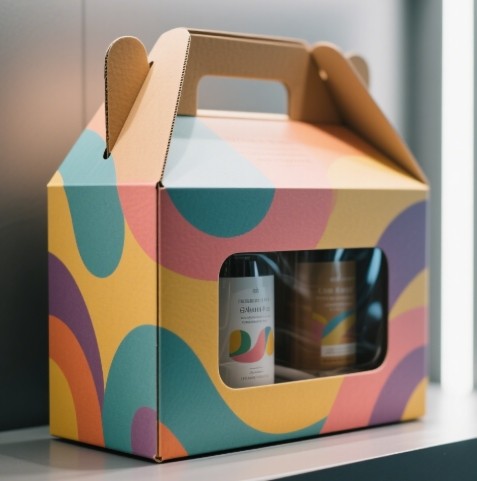
This type of packaging is incredibly common and versatile. My company, Kylin Machine, focuses on machinery that helps businesses create high-quality paper boxes, especially rigid ones. Let's break down what makes paper box packaging so important.
Key Materials
The foundation is paper pulp processed into different forms:
- Paperboard/Cardstock: Thicker than paper, flexible enough to fold. Used for folding cartons. Comes in various grades (like SBS, CUK, CCNB).
- Chipboard: Dense board made from recycled paper pulp. Often used as the structural core for rigid boxes. It's usually wrapped with decorative paper.
- Corrugated Fiberboard: Made with linerboard and a wavy fluted medium. Known for its strength and cushioning, used mainly for shipping boxes.
Primary Functions
Paper boxes serve several vital roles:
- Containment: Holding the product securely.
- Protection: Shielding the product from damage during handling, shipping, and storage. Rigid boxes offer excellent protection for delicate items.
- Information: Providing space for branding, instructions, ingredients, and barcodes. High-quality printing is key here.
- Convenience: Easy handling, stacking, opening, and sometimes dispensing.
- Branding & Marketing: Communicating brand identity and attracting customers. A premium rigid box, like those for jewelry or electronics, can significantly elevate a brand's image.
Importance in Business
Paper box packaging is crucial for many industries. It impacts logistics, marketing, and customer perception. Choosing the right box type and quality affects costs, sales, and brand reputation. For businesses creating luxury goods, investing in high-quality rigid boxes made with precise machinery can provide a strong competitive edge. I recall a customer producing intricate jewelry boxes; upgrading their machinery allowed them to achieve designs they couldn't before, opening up new markets. Sustainability is also a major factor, with paper being widely recyclable and often biodegradable.
Conclusion
Paper packaging offers many box types, from simple cartons to premium rigid boxes. Understanding these helps you choose wisely for protection, branding, and the right production machines like ours at Kylin Machine.

发表回复