

What is textbook binding?
Are you tired of your textbooks falling apart after just one semester? Do you wish there was a more durable and long-lasting way to protect your educational investment? At Kylin Machine, we understand the frustration of dealing with poorly bound textbooks.
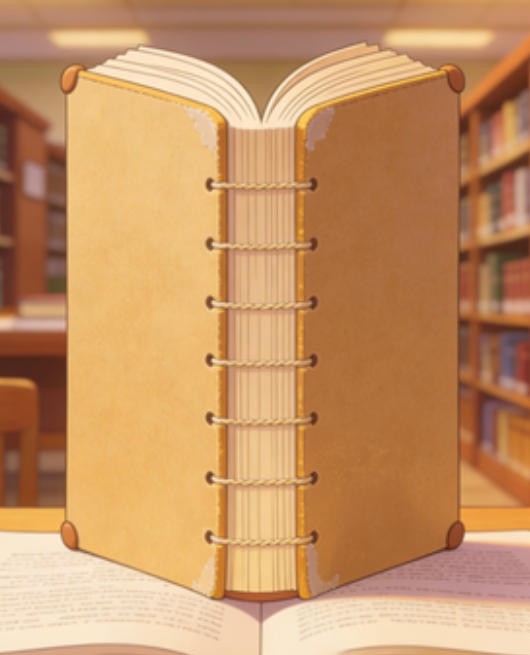
Textbook binding is a specialized method designed to create durable, long-lasting books that can withstand the rigors of academic use. Unlike standard paperback binding, textbook binding uses reinforced materials and techniques to ensure the pages remain secure and the cover stays intact, even with frequent handling.
As a professional in the post-press machinery industry for over two decades, I've seen firsthand the importance of quality binding. In this article, I'll share my insights on textbook binding, explore its various methods, and explain why it's the superior choice for educational materials.
What is the difference between paperback and textbook binding?
Have you ever wondered why some books last for years while others fall apart in months? The secret lies in the binding. While paperback binding is common, it often lacks the durability needed for textbooks that are used and abused daily.
The primary difference between paperback and textbook binding is durability. Textbook binding uses stronger adhesives, reinforced spines, and often includes features like Smyth sewing, which stitches the pages together for maximum strength. This ensures the book can endure constant use without falling apart.
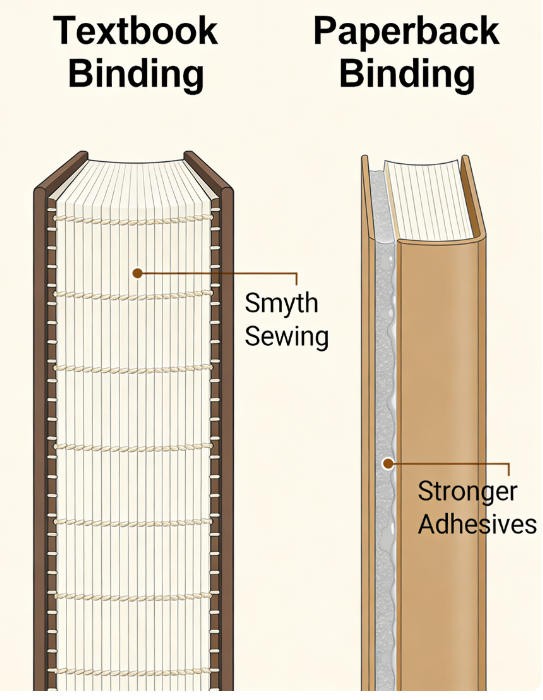
Let's dive deeper into the specifics. The binding of a book is not just about holding the pages together; it's about creating a product that can withstand the test of time. When we talk about paperback binding, we're generally referring to what is known as "perfect binding." In this process, the pages are glued together at the spine with a strong adhesive. While this method is cost-effective and widely used, it has its limitations, especially for books that are frequently opened and closed, like textbooks.
On the other hand, textbook binding, often a form of case binding, is a more robust and intricate process. Here’s a breakdown of the key differences:
| Feature | Paperback Binding (Perfect Binding) | Textbook Binding (Case Binding) |
|---|---|---|
| Page Attachment | Pages are glued to the spine. | Pages are sewn together in signatures. |
| Spine | Flexible and prone to creasing. | Rigid and reinforced for durability. |
| Cover | Soft cover, often made of paper or cardstock. | Hardcover, made of cardboard wrapped in cloth or paper. |
| Durability | Less durable, pages can fall out over time. | Highly durable, designed for long-term use. |
At Kylin Machine, we specialize in machines that create these durable bindings. Our Hard Cover Book Production Line is a perfect example of the technology that goes into making high-quality textbooks.
Is book binding illegal?
Is it illegal to rebind a book you own? This is a common question, especially for students and book lovers who want to preserve their favorite texts. The short answer is no, but there are some important nuances to consider.
Rebinding a book for personal use is perfectly legal. However, if you plan to sell the rebound book, you must be careful not to infringe on copyright laws. As long as you are not reproducing the content, you are generally in the clear.
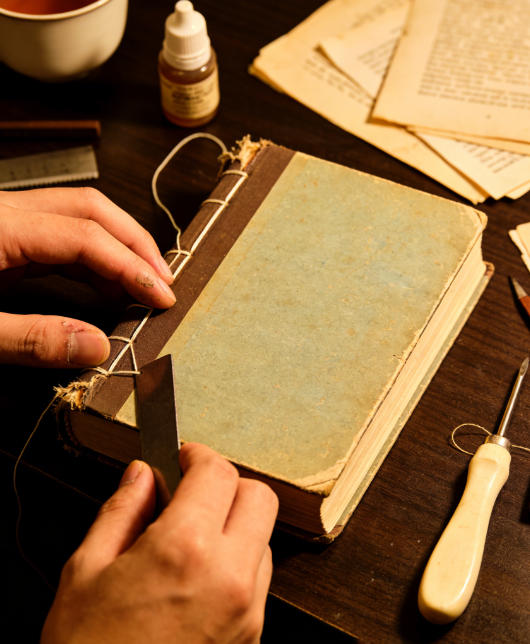
The legality of bookbinding is a topic that often causes confusion. To clarify, the act of binding or rebinding a book is not, in itself, illegal. You have the right to repair or modify a book that you have legally purchased. Think of it like repairing a piece of furniture or altering a piece of clothing. The issue of legality arises when you start to consider the commercial aspect.
Here are a few scenarios to consider:
- Personal Use: If you rebind a textbook for your own use, there are no legal issues. You are simply preserving your property.
- Gifting: Gifting a rebound book is also generally acceptable.
- Selling: This is where it gets tricky. If you sell a rebound book, you must ensure that you are not presenting it as the original publisher's product. You should also be aware of the "first-sale doctrine," which allows you to sell a legally acquired copyrighted work. However, if you alter the work, you may be creating a "derivative work," which could be a copyright infringement.
For those in the business of binding, it's crucial to understand these legal distinctions. Our machines, like the Automatic Case Maker, are designed for businesses that produce high-quality, legally compliant products.
How much money do bookbinders make?
Have you ever considered bookbinding as a career? It's a craft that combines artistry with technical skill, and it can be a rewarding profession. But how much can you expect to earn as a bookbinder?
The income of a bookbinder can vary widely, depending on their skill level, specialization, and whether they work for a company or are self-employed. Entry-level positions may start around $30,000 per year, while experienced artisans can earn over $70,000.
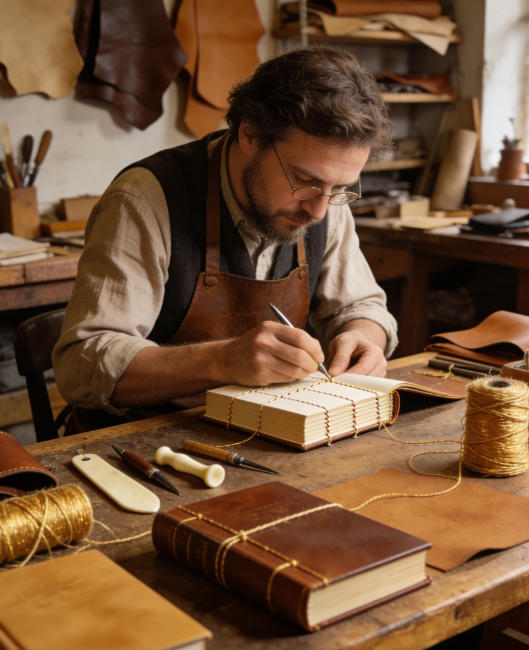
The world of bookbinding offers a diverse range of opportunities. A bookbinder's salary is influenced by several factors, including their level of expertise, the type of binding they specialize in, and their employment situation. For instance, a bookbinder working in a large-scale production facility will likely have a different income than a freelance artisan who specializes in restoring rare books.
Here's a general idea of the earning potential in the bookbinding industry:
| Experience Level | Average Salary Range (USD) |
|---|---|
| Entry-Level | $30,000 - $45,000 |
| Mid-Career | $45,000 - $60,000 |
| Experienced/Specialist | $60,000 - $75,000+ |
It's important to note that these are just averages. Many bookbinders supplement their income by teaching workshops, selling their own creations, or offering specialized services. The demand for high-quality, handcrafted books is on the rise, and skilled bookbinders are in a great position to capitalize on this trend. For those looking to enter the commercial side of the industry, our Rigid Box Making Machines offer a pathway to producing high-value products.
What is book binding?
What exactly is bookbinding? Is it just about gluing pages together? The reality is far more complex and fascinating. Bookbinding is both an art and a science, a craft that has evolved over centuries to create the books we know and love today.
Bookbinding is the process of assembling a book from a number of sheets of paper. It involves arranging the pages in the correct order, securing them together, and attaching a protective cover. The method of binding can range from simple to highly intricate, depending on the book's intended use.
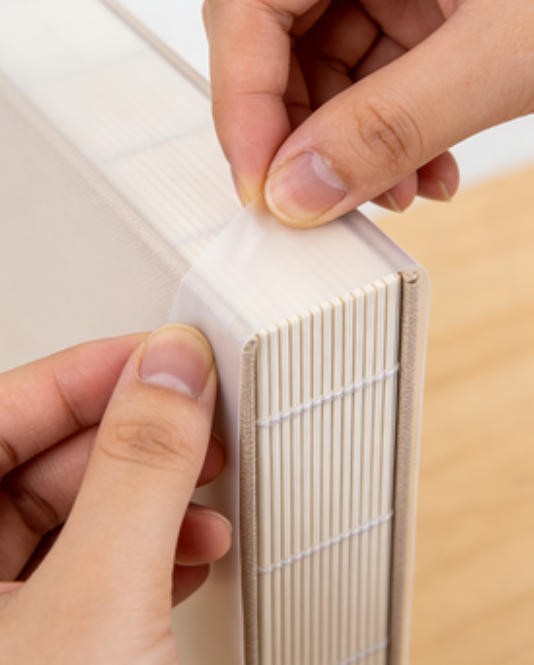
Bookbinding is a craft with a rich history, dating back to ancient times. At its core, it is the process of transforming loose sheets of paper into a functional and durable book. This process can be broken down into several key stages:
- Folding and Gathering: The printed sheets, known as signatures, are folded and gathered in the correct order.
- Sewing or Gluing: The signatures are then either sewn or glued together to form the book block.
- Trimming: The edges of the book block are trimmed to create a clean, uniform finish.
- Rounding and Backing: The spine of the book block is rounded and backed to create a convex shape, which allows the book to open more easily.
- Casing-in: The book block is then attached to the cover, or case.
At Kylin Machine, we provide the machinery that automates and perfects these processes. Our Collapsible Box Forming Machine is a testament to the innovation that drives the modern bookbinding industry.
Conclusion
In conclusion, textbook binding is a superior method for creating durable, long-lasting books. By understanding the differences between binding types, you can make more informed decisions about your educational and professional materials.

发表回复