

What is the importance of cardboard product boxes?
Are your products arriving damaged or failing to impress customers? Poor packaging choices can really hurt your brand's reputation and cost you money. Discover why cardboard boxes are so vital.
Cardboard boxes are incredibly important for businesses. They offer essential protection during shipping, provide a great surface for branding, are cost-effective to produce, and are better for the environment because they can be recycled easily.
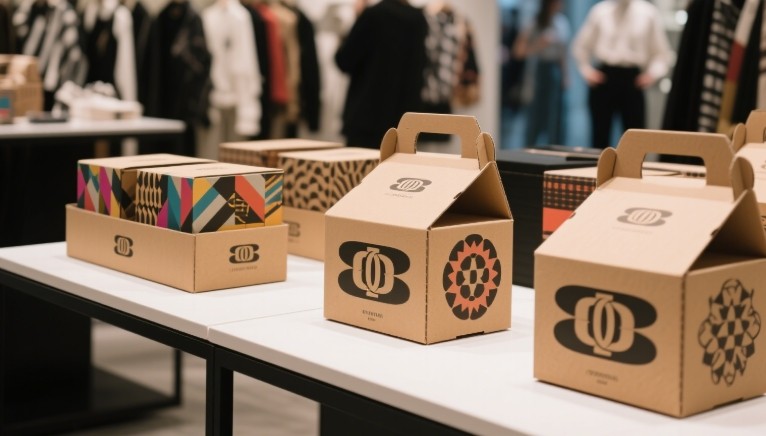
Cardboard boxes might seem ordinary, but they play a huge role in getting products safely to customers and making a good impression. They are much more than just containers. Let's explore exactly why they are so essential and how they work to protect your items and showcase your brand. Understanding this helps us appreciate the need for quality packaging.
What is the purpose of a cardboard box?
Is your packaging just holding your product, or could it do more? Relying on basic containment might mean missing out on crucial protection and branding opportunities that impact your success. Learn the real jobs a cardboard box performs.
The main purpose of a cardboard box is to contain and protect items. It keeps products together, shields them from bumps and damage during transport and storage, and often carries important branding or information.
Diving Deeper: The Multifaceted Role of a Box
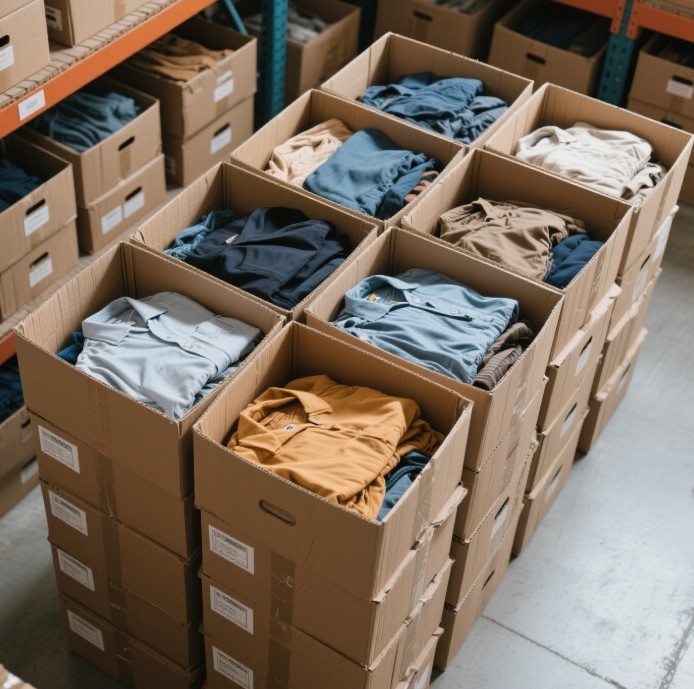
From my experience working with packaging businesses at Kylin Machine, I see boxes serving several key functions beyond just holding things. Let's break down these purposes:
1. Containment
This is the most basic function. The box keeps all parts of a product together, especially if there are multiple components. It makes handling easier throughout the supply chain. Think about a kit with several small pieces – the box is essential to keep them organized.
2. Protection
This is perhaps the most critical purpose, especially for shipping. Boxes guard against:
- Impact: Absorbing shocks from drops or bumps.
- Compression: Resisting crushing forces when stacked.
- Environmental Factors: Providing a barrier against moisture, dust, and light to some extent.
Different box types offer different protection levels. A standard shipping box is different from a sturdy rigid box designed for luxury items like electronics or jewelry, which needs superior protection and presentation.
3. Information and Branding
Boxes are a canvas. They communicate vital information:
- Product identification and contents
- Handling instructions (e.g., "Fragile")
- Brand identity (logo, colors, messaging)
This turns a simple container into a marketing tool, creating brand recognition and conveying quality.
4. Convenience
Boxes are designed for efficiency. They are often easy to stack, store, and transport, optimizing logistics. Features like easy-open tabs or specific shapes can also enhance the customer experience.
Here's a quick look at how different box types align with these purposes:
| Purpose | Standard Corrugated Box | Rigid Box (e.g., for Jewelry) |
|---|---|---|
| Containment | Good | Excellent |
| Protection | Good (Impact/Stacking) | Excellent (Structural/Impact) |
| Branding | Good (Printable) | Excellent (Premium feel/Print) |
| Convenience | Excellent (Stacking) | Good (Presentation Focus) |
Understanding these purposes helps businesses choose the right packaging, and for us at Kylin Machine, it drives how we design machines to produce boxes that perfectly meet these needs, whether it's a simple shipper or an elegant jewelry box.
Why is cardboard so important?
Are you underestimating the value of cardboard in your packaging plans? Ignoring its benefits could mean higher costs and missed opportunities to appeal to eco-conscious customers. See why cardboard is key.
Cardboard is important because it balances strength with being lightweight. It's affordable, very easy to customize with printing, and simple to recycle. This versatility makes it a top choice for packaging across many industries.
Diving Deeper: The Unbeatable Advantages of Cardboard
Cardboard, particularly corrugated cardboard and the paperboard used in rigid boxes, holds a dominant position in packaging for several compelling reasons. I've seen firsthand how these benefits make a difference for the businesses using our Kylin Machine equipment.
1. Cost-Effectiveness
Compared to materials like plastic, metal, or wood, cardboard generally offers a lower cost per unit. Raw materials are relatively inexpensive, and the manufacturing process is highly efficient, especially with modern machinery. This allows businesses to manage packaging budgets effectively.
2. Strength-to-Weight Ratio
Corrugated cardboard, with its fluted structure, provides remarkable strength and cushioning while remaining lightweight. This protects products effectively without adding excessive shipping weight and cost. Rigid boxes, made from dense paperboard, offer exceptional structural integrity for premium items.
3. Sustainability
This is increasingly important. Cardboard is typically made from renewable resources (wood pulp, often from sustainable forests) and frequently incorporates recycled content.
- Recyclable: Most cardboard boxes are easily recyclable through established collection systems.
- Biodegradable: Under the right conditions, cardboard breaks down naturally.
This appeals to environmentally aware consumers and helps companies meet sustainability goals.
4. Customization and Printability
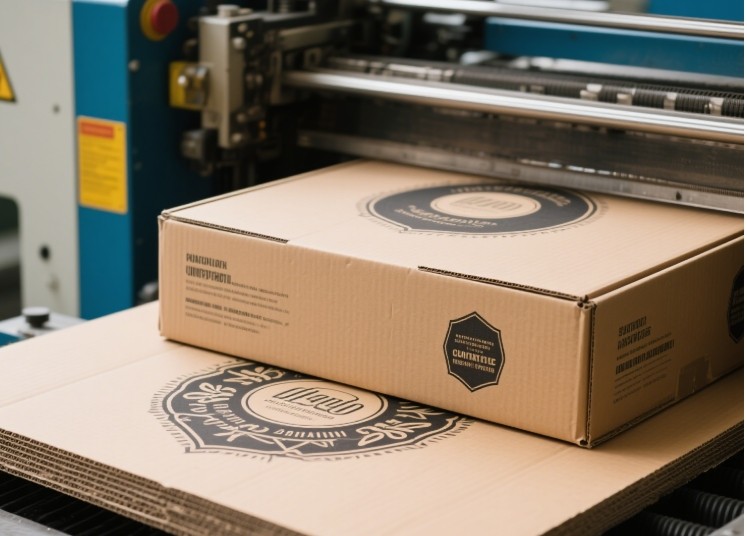
Cardboard surfaces are excellent for printing. Businesses can easily add logos, branding, product information, and high-quality graphics. It can also be cut, folded, and glued into countless shapes and sizes, allowing for unique and functional packaging designs. This is crucial for shelf appeal and brand messaging.
5. Versatility
Its properties make cardboard suitable for an enormous range of applications:
- Shipping fragile electronics.
- Packaging food products.
- Creating high-end rigid boxes for luxury goods like watches or jewelry.
- Point-of-purchase displays.
Let's compare cardboard to some alternatives:
| Feature | Cardboard | Plastic (Rigid/Flexible) | Wood Crates |
|---|---|---|---|
| Cost | Low | Medium-High | High |
| Weight | Low | Low-Medium | High |
| Strength (relative) | Good-Excellent | Variable | Very High |
| Sustainability | High (Recyclable/Renewable) | Low-Medium (Recycling varies) | Medium (Reusable) |
| Printability | Excellent | Good | Poor-Fair |
| Customization | Excellent | Good | Fair |
The balance of these factors solidifies cardboard's importance. Producing consistent, high-quality cardboard packaging, especially complex rigid boxes, requires precise machinery, which is where our focus lies at Kylin Machine.
How do cardboard boxes protect items from impact?
Do you worry about products getting damaged during their journey to the customer? Shocks and drops during shipping are common issues that can lead to costly returns and unhappy buyers. Learn how cardboard shields your goods.
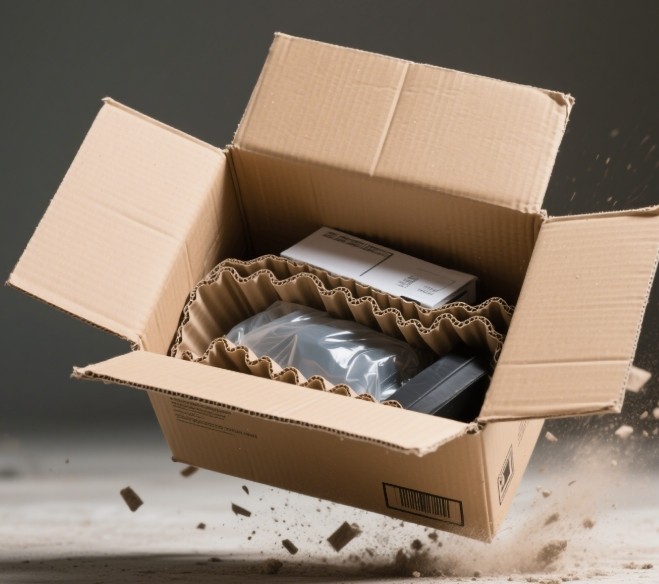
Cardboard boxes, especially corrugated types, protect items by cushioning them. The wavy layer (fluting) inside creates air pockets that absorb shock and spread out impact forces, minimizing damage to the contents.
Diving Deeper: The Science of Cardboard Cushioning
The protective quality of cardboard isn't just about being a barrier; it's engineered. Let's look specifically at corrugated cardboard, the workhorse of shipping protection.
1. The Corrugated Structure
Corrugated cardboard consists of three key layers:
- Outer Linerboard: A flat sheet on the outside.
- Medium (Fluting): A wavy, 'fluted' layer glued between the linerboards. This is the crucial part for cushioning.
- Inner Linerboard: Another flat sheet on the inside.
The fluting creates arches, similar to those used in architecture for strength. These arches form air pockets.
2. How Protection Works
When a box experiences an impact (like being dropped), the force hits the linerboard.
- Absorption: The fluted medium acts like a spring or cushion. The arches compress slightly, absorbing some of the shock energy. The trapped air also provides cushioning.
- Distribution: The structure helps spread the impact force over a larger area instead of concentrating it on one point. This reduces the peak force experienced by the product inside.
- Stacking Strength: The vertical orientation of the flutes provides significant resistance to crushing when boxes are stacked.
3. Flute Types Matter
Different flute profiles (sizes of the waves) offer different benefits:
- A-Flute: Largest flute, best cushioning and stacking strength, but coarser surface.
- C-Flute: Most common, good all-around cushioning and stacking strength.
- B-Flute: Smaller flute, better crush resistance and print surface than C-flute, less cushioning.
- E & F Flutes: Very fine flutes, excellent print surface, often used for retail packaging or primary boxes inside shippers. Less cushioning but good rigidity.
Sometimes, layers are combined (e.g., double wall - BC flute) for heavy-duty protection.
4. Beyond Corrugated: Rigid Boxes
While corrugated focuses on cushioning, rigid boxes (like those used for jewelry or high-end electronics, often made on machines like ours) offer protection through structural strength. Made from thick, compressed paperboard, they resist bending and crushing, providing a strong shell around the product. Often, internal inserts (foam, paperboard) are added for cushioning within the rigid structure.
Understanding these mechanics helps businesses select the right type and grade of cardboard. Producing boxes with consistent fluting and strong gluing – essential for protection – relies on quality manufacturing processes enabled by reliable machinery.
How is a cardboard box useful?
Do you think cardboard boxes are only good for shipping items from A to B? Their usefulness actually goes much further, adding value well beyond simple transportation needs. Explore the many ways boxes serve a purpose.
A cardboard box is useful in many ways: it protects products, offers space for branding, allows easy stacking for storage and shipping, makes retail display effective, and can be easily recycled or reused.
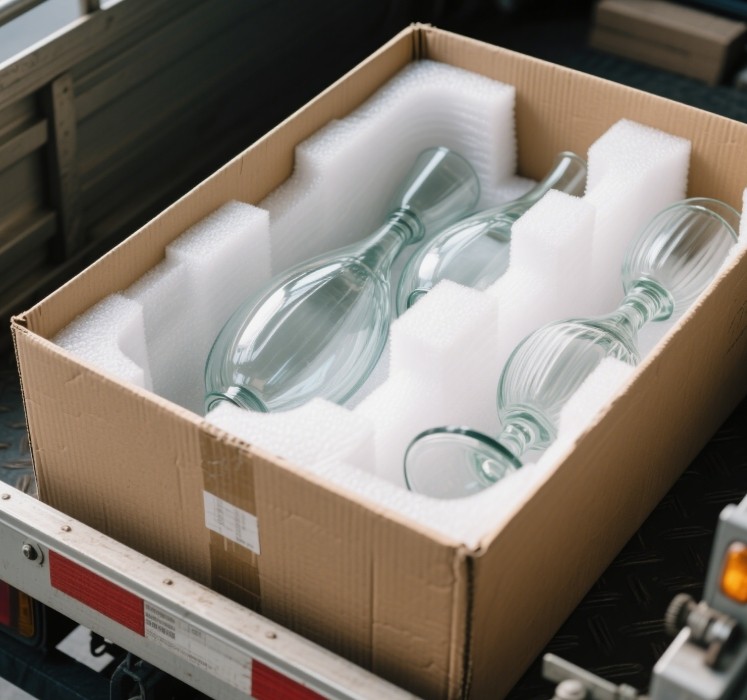
Diving Deeper: Usefulness Across the Product Journey
From my perspective in the packaging machinery world, I see cardboard boxes adding value at almost every stage of a product's life. Their usefulness is remarkably broad.
1. Manufacturing and Fulfillment
- Easy Assembly: Many box designs are shipped flat and are quick to assemble, saving space and time.
- Automation Compatibility: Standard box sizes and types work well with automated packing lines, improving efficiency. This is where machines like ours play a key role in producing consistent boxes suitable for automation.
2. Logistics and Storage
- Stackability: The flat surfaces and structural strength (especially corrugated) allow boxes to be stacked efficiently in warehouses and during transport, maximizing space utilization.
- Handling: Boxes provide convenient units for manual or mechanical handling (forklifts, conveyors).
- Lightweight: Reduces fuel consumption and shipping costs compared to heavier alternatives.
3. Retail and Point of Sale
- Shelf Presence: Boxes protect the product on the shelf and act as a billboard, attracting customer attention with graphics and branding.
- Information Display: Carries essential product details, barcodes, and marketing messages directly to the consumer.
- Retail-Ready Packaging (RRP): Some boxes are designed to convert directly into shelf displays, reducing handling time for retailers.
4. Customer Experience
- Protection Assurance: A sturdy, intact box reassures the customer that the product inside is likely undamaged.
- Unboxing Experience: Especially for premium goods (think smartphones or jewelry often packed in rigid boxes), the quality and design of the box contribute significantly to the perceived value and customer satisfaction. A well-made rigid box enhances this moment.
- Information: Instructions or return information can be printed directly on the box.
5. Post-Purchase
- Storage: Consumers often keep durable boxes (like rigid boxes) for storing the item.
- Reuse: Boxes can be reused for storage, shipping, or other household purposes.
- Recycling: Easy and widespread recycling options make disposal environmentally responsible.
Here’s how usefulness varies by stage:
| Stage | Key Usefulness | Box Type Example |
|---|---|---|
| Logistics | Stacking, Handling, Protection during transit | Corrugated Shipper |
| Retail | Branding, Information, Shelf Appeal, Protection | Printed Folding Carton |
| Premium | Unboxing Experience, Perceived Value, Item Storage | Rigid Box (Jewelry) |
| End-of-Life | Easy Recycling, Potential Reuse | Most Cardboard Types |
The sheer utility of cardboard boxes makes them indispensable. Crafting boxes that excel in these areas—whether strong shippers or elegant rigid boxes for products like jewelry—requires precision manufacturing. That's the value Kylin Machine provides: the equipment to create truly useful, high-quality packaging solutions.
Conclusion
In short, cardboard boxes are far more than simple containers. They are vital for protecting goods, building your brand image, ensuring smooth logistics, and offering sustainable solutions for businesses like yours.
About me:
My Name: Jacob
Link to my website: www.kylinmachines.com
Brand Name: Kylin Machine
Country: China
Products: Post-press machines (Specializing in Rigid Box and Hard Book Cover Solutions)
Business Model: B2B, Wholesale only

发表回复