
How much does it cost to print a book yourself?
Dreaming of holding your book but worried about printing costs? Traditional printing can be expensive, especially for small runs. Let's explore how you can manage these costs.
Printing a book yourself varies hugely. It depends on quantity, quality, and method. Costs can range from a few dollars per book for large runs to much more for single copies.
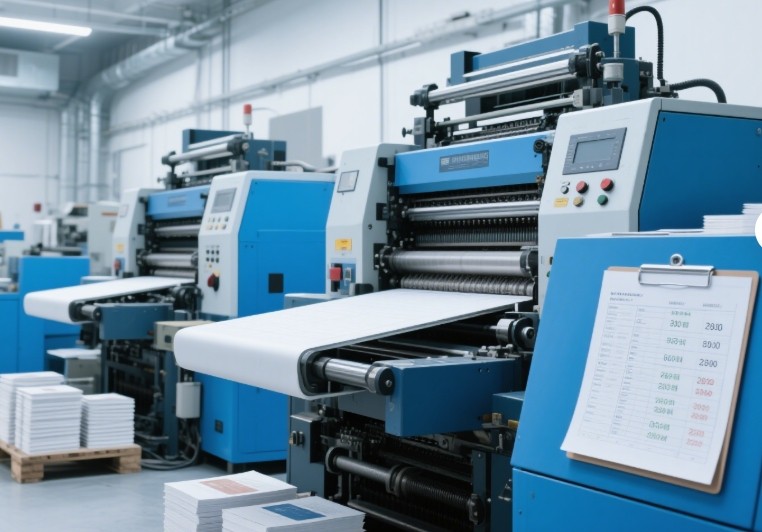
Understanding the costs is the first step. But there's more to it than just a single number. Many factors come into play. Let's look closer at different parts of this cost. This will help you make the best choice for your needs, especially if you are a business looking to print books in-house.
How much does it typically cost to self-publish a book?
Self-publishing seems great, but hidden costs can be a shock. Editing, design, and printing add up, making budgeting hard. Let's break down the typical expenses.
Self-publishing typically costs from a few hundred to several thousand dollars. This includes editing, cover design, formatting, and initial print runs. Your choices will greatly affect the total.
When you decide to self-publish, several costs come into play. I always advise new authors or publishing businesses to budget carefully.
Key Cost Components in Self-Publishing
The main expenses usually include:
- Editing: This can be developmental editing, copy editing, or proofreading. Costs vary by editor experience and manuscript length.
- Cover Design: A professional cover is crucial. You can find pre-made covers or hire a designer for a custom one.
- Formatting: Your book needs formatting for both print and ebook versions.
- ISBN: You'll need an ISBN for each format of your book if you plan to sell it widely.
- Printing: This depends on whether you use Print-on-Demand (POD) or offset printing for a larger run.
The Role of Printing in Self-Publishing Costs
Printing is a significant part of the budget. POD services are great for starting out as they have low upfront costs. Offset printing gives a lower per-book cost but requires a large initial order.
Investing in In-House Capabilities
For businesses that frequently publish or help authors publish, investing in your own equipment can be a game-changer. At Kylin Machine, we specialize in post-press machines. For example, our hardcover making machines or rigid box machines can be used for special editions. Owning such machinery, like our advanced Robotic Spotter for precise cover making, means you control the quality and reduce long-term costs. I've seen clients transform their publishing process this way.
Here's a general idea of costs:
| Service | Typical Cost Range (USD) | Notes |
|---|---|---|
| Editing | $500 - $5,000 | Depends on length and type of editing |
| Cover Design | $50 - $1,000 | Pre-made vs. Custom |
| Formatting | $50 - $500 | Ebook and print |
| ISBN | $0 - $125 (single) | Free via some platforms, or buy direct |
| Proof Copies | $5 - $50 per copy | Essential for checking |
| Initial Print Run | $100 - $2,000+ | For offset or small batch POD |
How much does it cost to print a one off book?
Need just one copy of a book, perhaps a special gift or a proof? But worried that printing a single book will be very expensive? Let's see what affects this price.
Printing a one-off book can cost anywhere from $10 to over $100. It depends on page count, binding type (hardcover is more), paper quality, and if you use color printing.
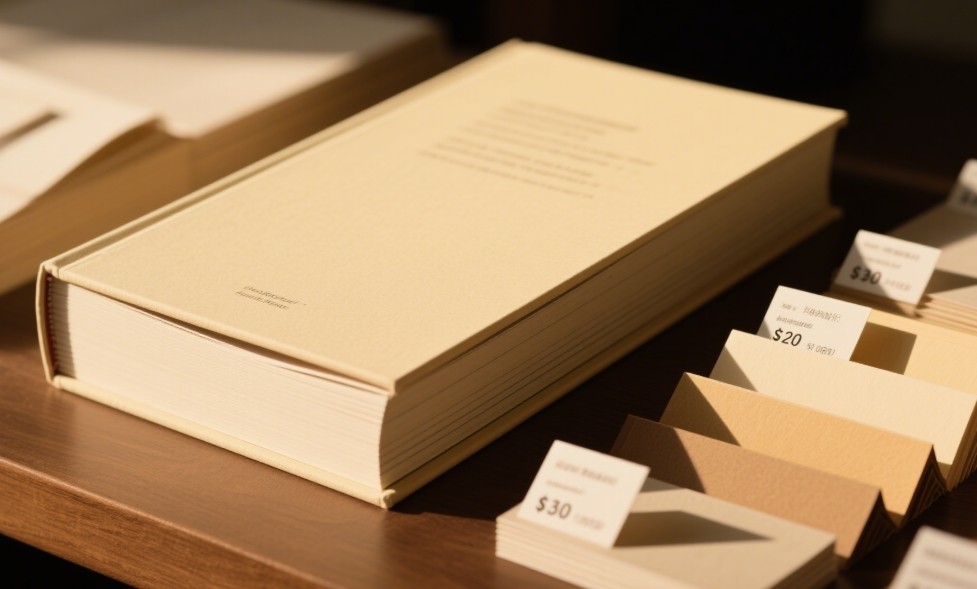
Printing a single book, or a "one-off," has its own set of cost factors. I often get questions about this from people looking to create a unique item.
Factors Influencing One-Off Book Printing Costs
Several things determine the final price:
- Page Count: More pages mean more materials and print time.
- Book Size/Dimensions: Non-standard sizes can cost more.
- Paper Type: Thicker paper, glossy finishes, or specialty papers increase cost.
- Color vs. Black & White: Color printing is much more expensive than black and white.
- Binding Type: Softcover (like perfect bound) is cheaper. Hardcover binding significantly raises the cost for a single copy due to the manual labor or specialized setup involved.
Where to Print a Single Book
You can use online Print-on-Demand (POD) services. Many offer good quality for single prints. Some local print shops also offer this service, though prices may vary.
Quality Considerations for One-Offs
For a one-off, especially a hardcover, the quality of the finish is important. While my company, Kylin Machine, provides solutions for larger scale production, understanding these details is important. If you are a small bindery or a business thinking of offering premium one-off services, like custom photo albums or bespoke thesis binding, the right equipment is key. Our semi-automatic machines can help produce durable, professional hardcovers. I remember a small business owner who started making personalized hardcovers. As their orders grew, our machines helped them scale up their beautiful work. They focused on quality from day one.
What is the average profit of a self-published book?
Dreaming of making good money from your self-published book? But unsure what realistic profits look like after all those expenses? Let's explore potential earnings and what influences them.
Average profit for a self-published book varies wildly. Some authors earn very little, others make a good living. Royalties can be 30-70% of the list price, depending on the platform.
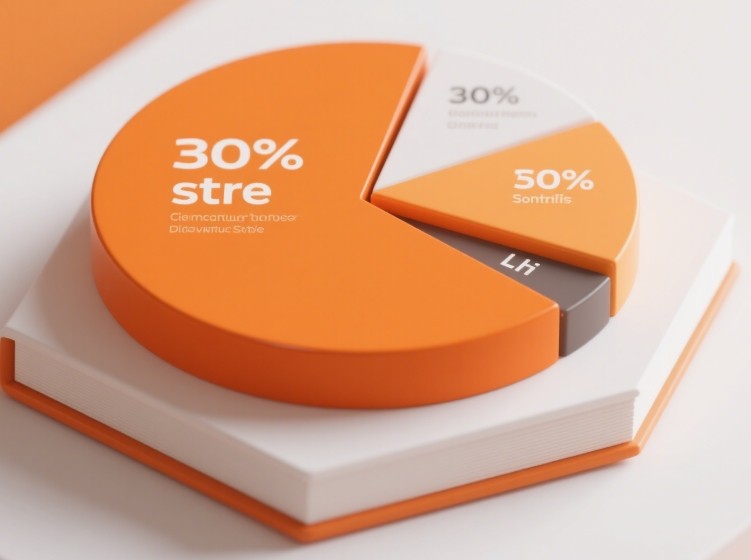
Profitability in self-publishing is a hot topic. It's not just about sales; it's about what you keep after costs.
Understanding Royalty Structures
Most self-publishing platforms, like Amazon KDP, offer a percentage of the list price as royalty. For ebooks, this can be 35% or 70%, depending on your pricing and territory. For print books sold via POD, you get the list price minus the printing cost and the platform's share. Understanding these structures is the first step.
Factors Maximizing Your Profit
Several factors can boost your profit:
- Sales Volume: More sales, even at a lower royalty, can mean more income.
- Pricing Strategy: Price your book competitively but also to reflect its value.
- Marketing and Promotion: Effective marketing drives sales.
- Genre: Some genres sell better or allow for higher price points.
- Production Costs: Keeping your production costs low is vital.
The Role of Production Costs in Profitability
This is where businesses that print or publish books can really make a difference. If you handle book production in-house, especially the finishing like cover making and binding, you can significantly lower your per-unit costs. This directly increases your profit margin. At Kylin Machine, we provide machinery for efficient book cover solutions and rigid box making. Our Hybrid machines, for instance, are designed for flexibility and quality in hardcover production. I've seen many of our customers in the graphic arts and bookbindery industries improve their bottom line by bringing these processes in-house. They control costs, quality, and timelines. This is especially true for books that can command a premium, like hardcovers or special editions in rigid boxes. Efficient production is key to higher profits.
How much does it cost to print 1 page?
Trying to figure out book printing costs, down to the page level? But the cost per page seems to change everywhere you look, causing confusion. Let's clarify what goes into this.
The cost to print 1 page can be from less than $0.01 to over $1.00. It depends heavily on color vs. black & white, paper quality, quantity, and printing method.
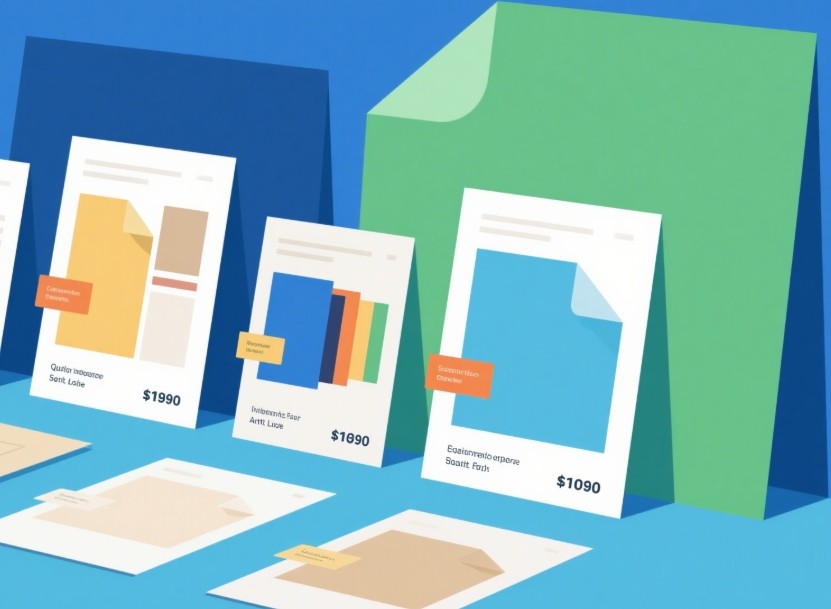
The cost of printing a single page is a fundamental part of your book's overall printing expense. It's not always a simple calculation.
Variables Affecting Per-Page Printing Cost
Many things influence this cost:
- Ink/Toner: Color printing uses multiple inks and is significantly more expensive than black and white.
- Paper Stock: The type, weight (gsm), and finish (matte, gloss, silk) of the paper make a big difference. Recycled or premium papers can cost more.
- Print Volume: The more pages you print in a single run (e.g., for offset printing), the lower the per-page cost. This is because setup costs are spread over more units. For POD, the per-page cost is more fixed.
- Single-sided vs. Double-sided (Duplex) Printing: Duplex printing is usually more cost-effective for books.
Comparing Home, Office, and Professional Printing
Printing a page at home on an inkjet printer can be quite expensive, especially in color. Office laser printers might be cheaper per page. Professional printers offer the best per-page rates for volume, along with higher quality and more options.
How Per-Page Costs Impact Overall Book Production
The total number of pages in your book, multiplied by the per-page cost, gives you the basic cost of the book's interior. Then you add binding and cover costs. At Kylin Machine, we focus on what happens after the pages are printed – the post-press stage. Our machines, like casing-in lines or book block preparation systems, take those printed pages and efficiently turn them into finished books. If your page printing is economical, you want your binding process to be just as efficient to protect those savings. I always emphasize to my clients in the bookbindery industry: consider the entire workflow. Streamlined post-press operations using reliable technology ensure that every cost-effective page contributes to a profitably produced, high-quality book.
Conclusion
Printing your own book involves many cost factors. Understanding them helps you make smart choices. For businesses, investing in quality machinery, like ours at Kylin Machine, can offer long-term savings and control.
As Jacob from Kylin Machine (www.kylinmachines.com), I've seen how the right equipment transforms printing and packaging businesses. We specialize in post-press machinery for rigid boxes and hard book covers, serving clients worldwide. If you're in the graphic arts, paper converting, or bookbindery industry, let's talk about how our technology can help you.

发表回复