

What is the best way to get boxes?
Struggling to find enough boxes? The search can be frustrating and costly. For businesses, a smarter, more reliable solution is key to efficiency and branding.
The best way to get boxes depends on your needs. For occasional personal use, local stores or online groups offer free or cheap options. For businesses requiring consistent quality and quantity, investing in your own box-making machinery provides ultimate control, customization, and long-term cost savings.
Finding a few boxes for a household move is one thing. You can probably make do with what you find. But what happens when your business depends on a steady supply of quality boxes every single day? The constant search for "free" or "cheap" options can turn into a significant drain on your time and resources. You might also face issues with inconsistent quality or sizes. I've seen this happen many times. Let's look at the common questions people ask about getting boxes. Then, I’ll share what I’ve learned over my years at Kylin Machine about a more professional and efficient approach, especially for businesses in the packaging and printing world.
Where is the best place to get free cardboard boxes?
Looking for free boxes to save money? It seems like a good idea. But often, the time spent and the poor quality can cost you more in the end.
You can often find free cardboard boxes at grocery stores, liquor stores, pharmacies, or through online community groups. While these are good for occasional, non-critical needs, businesses usually find them unsuitable due to inconsistency and varying quality.
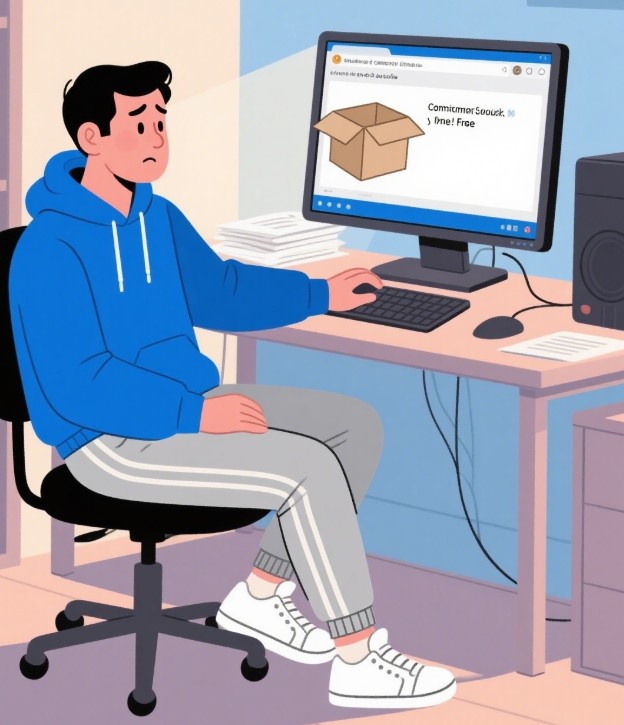
The idea of "free" is always attractive. I understand that, especially when you're trying to keep costs down. When I first got into this business, I also explored ways to minimize every little expense. But "free" often has hidden costs, especially for professional use.
Common Spots for Free Boxes
Many people ask me about finding free boxes. Here are some usual places:
- Retail Stores: Big box stores, grocery stores, and liquor stores often have surplus boxes. You might need to ask an employee.
- Online Marketplaces: Websites like Craigslist or Facebook Marketplace sometimes have listings for free boxes, especially from people who have recently moved.
- Recycling Centers: Some centers might allow you to pick up boxes, but this varies.
Why "Free" Isn't Always Best for Business
For my clients in the graphic arts, paper converting, and bookbindery industries, relying on free, used boxes is rarely a viable long-term strategy. Here’s a breakdown:
| Disadvantage | Impact on Business |
|---|---|
| Inconsistent Supply | You can't plan production reliably. |
| Varied Quality/Sizes | Boxes might not fit products or protect them adequately. |
| Previous Use | May have contaminants, odors, or unwanted branding. |
| Time Consuming | Searching for boxes takes away from core business tasks. |
| Unprofessional Look | Can negatively affect your brand image. |
Think about it. If you're producing high-quality printed materials or custom packaging, you need boxes that match that standard. This is where we at Kylin Machine step in. We provide solutions like rigid box making machines. These allow businesses to produce their own high-quality, custom-sized boxes on demand. This changes box acquisition from a problem to a controlled part of your production.
Where is the best place to get shipping boxes?
Need shipping boxes you can trust? Finding strong, correctly-sized boxes is vital. Damaged goods mean unhappy customers and extra costs, which no business wants.
For reliable shipping boxes, office supply stores, packaging suppliers, or online retailers like Uline or Amazon are good sources. For businesses needing custom sizes, branding, or bulk quantities, working directly with a box manufacturer or investing in your own box-making equipment is often best.

Shipping boxes are critical. They protect your products during transit. If a box fails, it can lead to damaged goods, customer complaints, and returns. I always tell my clients that the box is the first physical interaction a customer often has with their shipped product.
Options for Sourcing Shipping Boxes
When you need shipping boxes, especially for business, you have a few main paths:
- Retail Purchase: Stores like Staples or Office Depot sell various shipping boxes. This is good for small quantities.
- Packaging Suppliers: Companies specializing in packaging materials offer a wider range of sizes and types. They often sell in bulk.
- Online Retailers: Amazon, Uline, and similar sites provide convenience and variety.
The Business Case for Better Shipping Box Solutions
For businesses that ship regularly, especially those in paper converting or those producing items that need sturdy packaging like hard book covers, the standard off-the-shelf options might not be ideal.
Consider these factors:
- Custom Sizes: Do your products fit standard boxes, or do you waste money on oversized boxes and void fill?
- Strength: Are the boxes strong enough for your product's weight and the rigors of shipping?
- Branding: Do you want your boxes to carry your brand identity?
- Cost at Scale: Buying boxes continuously adds up.
This is another area where our machinery at Kylin Machine makes a huge difference. For instance, our clients who use our equipment to create rigid boxes find they get superior protection and a premium feel. While these are often for product presentation, the principles of creating strong, custom-sized protective packaging apply. Investing in machinery to create your own shipping solutions, or parts of them, can lead to significant cost savings, better brand presentation, and less product damage. It gives you control over this vital part of your business.
What is the best way to pick up a box?
Thinking about how to pick up a box? It sounds simple. But for large or heavy boxes, or many boxes, doing it wrong can lead to injury or damage.
The best way to pick up a box is to assess its weight, ensure a clear path, use proper lifting techniques (bend knees, keep back straight, lift with legs), and get help for heavy or awkward items. For businesses, this extends to efficient handling systems.
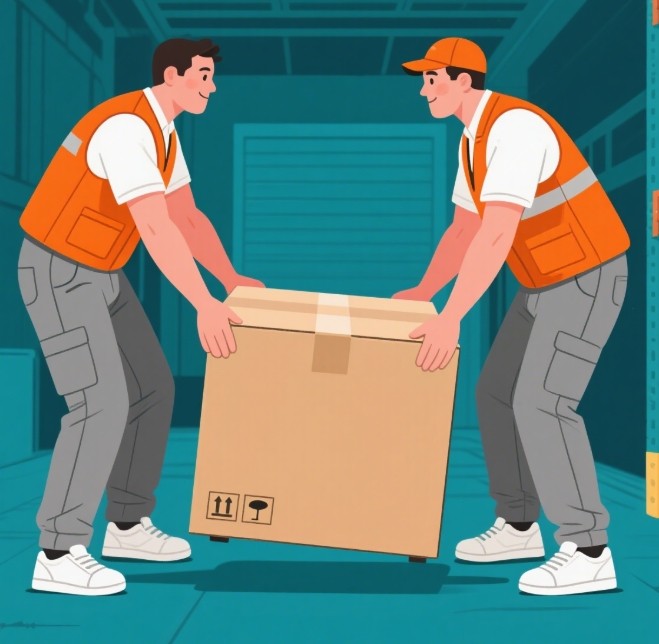
Picking up a box might seem trivial. But in a business setting, especially in industries like printing and packaging where materials and finished goods are constantly moved, improper lifting is a real safety concern. I've heard stories from factory floors about injuries that could have been avoided.
Safe Lifting Basics
Whether it's one box or many, safety first:
- Assess: Check the box's weight and stability. Is it too heavy or awkward for one person?
- Clear Path: Make sure your path is free of obstacles.
- Proper Stance: Stand close to the box with feet shoulder-width apart.
- Bend Knees, Keep Back Straight: Squat down, keeping your back straight. Do not bend at the waist.
- Grip Firmly: Get a good hold on the box.
- Lift with Legs: Push up with your leg muscles, keeping the load close to your body.
- Avoid Twisting: Turn by moving your feet, not twisting your torso.
Efficient Box Handling in Business
For my customers in the graphic arts and paper converting industries, handling boxes is a daily, high-volume activity. It’s not just about lifting one box; it’s about moving pallets of flat-packed boxes or stacks of finished rigid boxes.
| Aspect of Handling | Business Consideration | Kylin Machine Relevance |
|---|---|---|
| Receiving Stock | Unloading raw materials like large cardboard sheets. | Our machines are designed to integrate into production lines, considering material input. |
| In-Process | Moving semi-finished goods between workstations. | Efficient machine layout and automated transfer features in some of our equipment, like robotic spotters, reduce manual handling. |
| Finished Goods | Stacking, palletizing, and moving completed boxes. | Our machines produce consistent boxes that are easier to stack and handle. |
| Ergonomics | Designing workflows to minimize strain on workers. | We consider operator comfort and safety in our machine designs. |
Investing in the right post-press machinery, like those we offer at Kylin Machine, isn't just about making the box itself. It's also about how those boxes and the materials to make them are handled throughout your facility. Efficient handling saves time, reduces risk of injury, and protects your products. It's a key part of a lean and productive operation.
How do you get a free box?
Want a free box without the fuss? It's possible for small needs. But is "free" truly free when you factor in your time and the box's suitability?
You can get free boxes by asking at local retail stores (grocery, liquor, book stores), checking online community forums (like Freecycle or Craigslist), or looking for discards on recycling days. These are typically for personal, non-critical use.
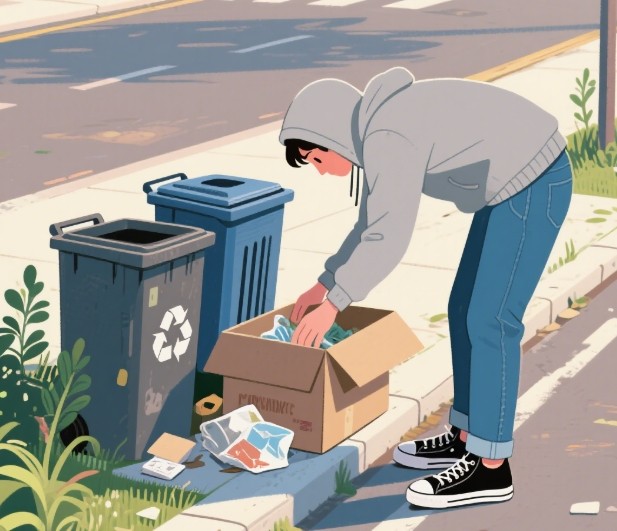
Everyone likes getting something for free. And yes, you can find free boxes. I sometimes grab one from the local supermarket if I just need a single box for something at home. It’s quick and easy for a one-off need.
Common Tactics for Finding Free Boxes
Here’s a quick rundown of how people usually score free boxes:
- Ask Nicely: Simply asking a store manager if they have any empty boxes they're getting rid of can work.
- Timing is Key: Try stores on their restocking or delivery days.
- Community Networks: Online groups dedicated to sharing or giving away items are great resources.
- Apartment Complexes: Near move-out dates, you might find boxes near dumpsters (check if taking them is allowed).
The Limits of Free Boxes for Professionals
Now, let's switch gears to a professional context. If you run a business in the bookbindery industry, or produce items that go into high-quality rigid boxes, relying on a patchwork of free, used boxes just doesn't work.
Imagine you're creating beautiful, custom hard book covers for a client.
- Presentation Matters: You need clean, sturdy, and often custom-branded packaging. A used grocery box won't cut it.
- Consistency is Crucial: You need the same size and quality of box every time for efficient packing and a professional look. Free boxes are a lottery.
- Protection: Your products need to arrive in perfect condition. The integrity of a used box is always questionable.
This is exactly why companies invest in solutions like those from Kylin Machine. Our specialized machinery, including robotic spotters and hybrid machines for rigid boxes and hard book covers, empowers businesses to create their own perfect boxes.
Why is this better than "free"?
- Total Control: You dictate the size, material, strength, and design.
- Cost-Effective at Scale: While there's an upfront investment, the per-unit cost of making your own boxes can be lower than constantly buying new ones, especially custom ones.
- Brand Enhancement: Custom boxes elevate your brand.
- Reliable Supply: No more hunting for boxes; you make them as needed.
So, while getting a single free box is easy, for businesses, the "best" way to get boxes is often to make them. It turns a logistical headache into a strategic advantage.
Conclusion
Getting boxes can be simple for personal use. But for businesses, making your own with quality machinery like ours at Kylin Machine offers the best control, quality, and value.

发表回复