

Which is a good manufacturer of necklace boxes?
Finding perfect necklace boxes feels impossible. Poor boxes cheapen your jewelry. The secret? Understand their manufacturing.
A good necklace box manufacturer often uses advanced machinery. This ensures precision, quality, and consistent results for your brand. Look for those who invest in technology for superior box production.
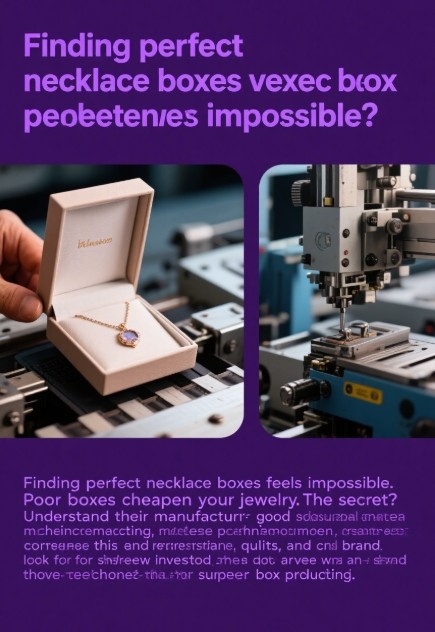
So, you're looking for great necklace boxes. But what truly makes a box "good"? It often comes down to the materials used and how they're assembled. Let's explore what goes into making an exceptional jewelry box, which will help you identify a top-tier manufacturer. Understanding these details is key to making an informed choice.
What is the best material for jewelry boxes?
Choosing jewelry box material is tricky. The wrong choice feels cheap. The right material elevates your brand instantly.
The best material for jewelry boxes balances durability, aesthetics, and cost. Rigid paperboard is excellent, offering a premium feel and great protection, especially when crafted with precision machinery.
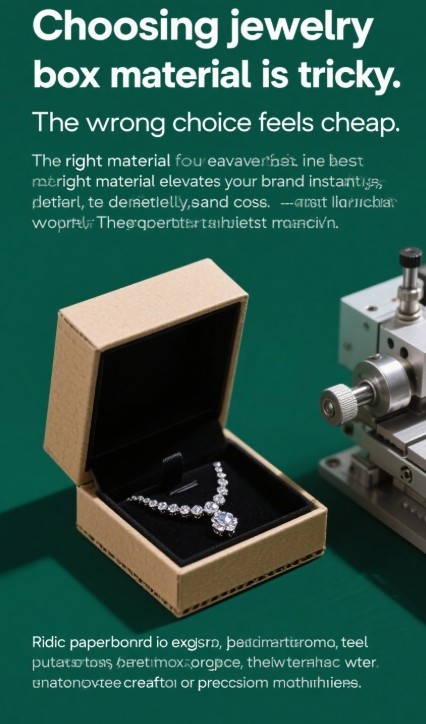
When I talk about the "best" material, it really depends on your specific needs and brand positioning. For many of my clients in the packaging business, high-quality rigid paperboard is a top choice. It’s strong. It’s versatile. And it can be finished beautifully, creating a truly premium feel.
Understanding Paperboard Grades
The foundation of a great paperboard box often starts with greyboard, which provides the core strength. The thickness of this greyboard directly contributes to how sturdy the box feels. Then, this core is wrapped. The choice of wrap paper – be it art paper, textured specialty paper, or even eco-friendly options – defines the final look and tactile experience. I've seen how a well-chosen wrap can transform a simple box into a luxury item.
Beyond Paper: Other Material Options
Of course, paperboard isn't the only option. You'll see jewelry boxes made from wood, various plastics, or even metal. Each has its place. Wood can convey a sense of timeless luxury, but it's often more expensive and heavier. Plastics can be very cost-effective for mass-market items and offer transparency if needed.
The Impact of Machinery on Material Choice
Here’s something crucial I always emphasize: the machinery used to manufacture the boxes heavily influences what materials work best and the final quality. For intricate designs and consistent quality with paperboard, automated machines, like the ones we at Kylin Machine specialize in, are essential. They handle precise cutting, grooving, gluing, and wrapping. This level of precision is very hard to achieve consistently by hand, especially when producing boxes at scale. [I recall a client who struggled with inconsistent quality from a manual workshop before switching to a supplier using automated rigid box lines; the difference was night and day.]
| Material | Key Benefit | Common Use | Machine Suitability (Paper-based) |
|---|---|---|---|
| Rigid Paperboard | Strength, Customization | Luxury Necklace Boxes | High (e.g., Kylin Machines) |
| Wood | Premium Feel, Durability | High-End Jewelry | Lower (different machinery) |
| Plastic | Cost-Effective, Versatile | Mass Market | Lower (different machinery) |
| Velvet/Fabric | Soft Lining, Luxury Touch | Inserts, Pouches | Partial (for components) |
Understanding these material aspects, and how they relate to manufacturing processes, will help you ask the right questions when sourcing your necklace boxes.
What packaging is best for jewelry?
Jewelry packaging choices are vast. Poor packaging disappoints customers. Great packaging boosts desire and protects treasures.
The best packaging for jewelry protects the item securely and enhances its presentation. Custom-made rigid boxes are often ideal, offering a premium experience that reflects the jewelry's value.
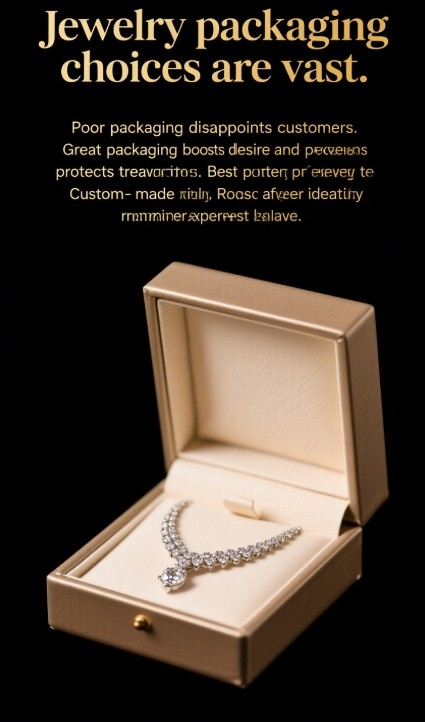
In my experience working with numerous businesses in the graphic arts and paper converting industries, the "best" packaging isn't just about a pretty box. It’s a careful balance of protection, brand presentation, and the unboxing experience.
Prioritizing Protection
Jewelry is often delicate. Necklaces can tangle easily. Earrings or small pendants can get lost or damaged. The primary job of the packaging is to prevent such issues during shipping, handling, and display. This is where rigid boxes, particularly those with custom-fitted inserts made of materials like foam or soft velvet, truly excel. They provide a snug, secure environment that keeps the jewelry safe.
Enhancing Brand Perception
The unboxing moment is a critical part of the customer experience, especially for luxury items like jewelry. A flimsy or generic box can inadvertently cheapen the perception of even the most exquisite piece inside. Conversely, a sturdy, well-designed rigid box, perhaps featuring a satisfying magnetic closure or an elegant ribbon pull, elevates the perceived value of the jewelry and reinforces the brand's commitment to quality. The tactile feel and visual appeal of the box itself become part of the product's allure. This is where the quality of manufacturing, often driven by precise machinery, really shines through. A perfectly formed box with crisp edges and a smooth finish speaks volumes.
Manufacturing Quality Packaging
To achieve that desirable high-end feel consistently, the manufacturing process is paramount. Think about how the box is accurately formed, how the wrap paper is applied smoothly without bubbles or tears, and how the lid fits perfectly onto the base. This level of precision and consistency, especially for large orders, often comes from advanced automated machinery. For instance, our Kylin robotic spotters ensure perfect alignment of the wrap paper on every single box. This ensures that the branding elements are consistently placed and the overall finish is impeccable. Trying to match this level of quality and output manually is a significant challenge for businesses needing scale.
| Packaging Type | Protection | Brand Impact | Typical Manufacturing Method |
|---|---|---|---|
| Rigid Box | Excellent | Very High | Automated (e.g., Kylin lines) |
| Pouch (Velvet/Silk) | Fair | Moderate | Simpler sewing/assembly |
| Folding Carton | Good | Moderate | Die-cutting, folding, gluing |
| Plastic Case | Good | Varies | Injection molding |
Ultimately, the best packaging supports your product and your brand image effectively.
What are necklace boxes made of?
Curious about necklace box insides? Misunderstanding materials leads to letdowns. Knowing components helps you choose wisely.
Necklace boxes are typically made from a sturdy core, like greyboard. This is then wrapped with decorative paper. Inserts, often foam or velvet, hold the necklace securely.
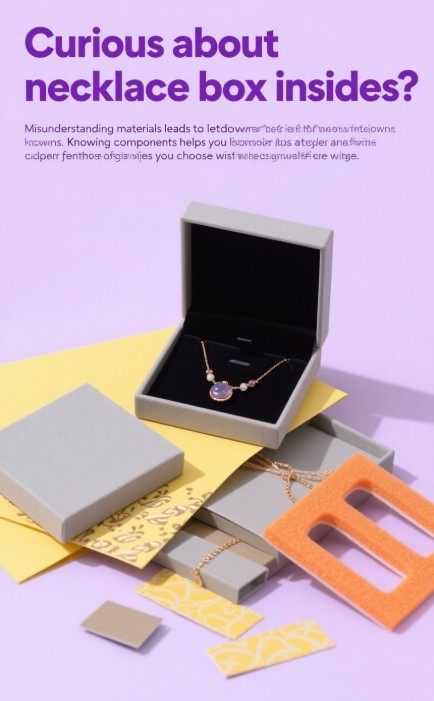
Let's break down a typical high-quality necklace box. It’s more than just a simple container; it’s a carefully constructed piece designed to protect and present. I've seen many variations, but the core components are often similar.
The Structural Core
The backbone of most good necklace boxes, especially the rigid type, is sturdy paperboard. This is often called greyboard or chipboard. The thickness and density of this board determine the box's overall strength and durability. This material is cut and scored with high precision. For manufacturers aiming for consistent quality, automated machinery is key here to ensure every board is perfectly dimensioned for a flawless final product.
The Outer Appeal
This structural core is then wrapped. The choice of wrapping material is vast and significantly impacts the box's final look, feel, and perceived value. Common choices include various types of art paper, Kraft paper for a more rustic or eco-friendly look, heavily textured specialty papers, or even thin leatherette or bookbinding fabrics. Applying this wrap smoothly, without creases or bubbles, and ensuring sharp, clean edges and corners, is a critical step. This is where machines like V-groovers (for creating those sharp, 90-degree edges on luxury rigid boxes) and automatic wrapping or casing-in machines make a huge difference in efficiency and finish quality.
Inner Protection and Details
Inside the box, you'll almost always find an insert. This is custom-shaped to hold the necklace securely and present it attractively. These inserts can be made from die-cut foam (often covered with velvet or satin), flocked plastic, or a padded satin base. Beyond the insert, many necklace boxes feature additional details like magnetic closures for a satisfying snap, elegant ribbon pulls for easy opening, or debossed/foiled branding elements. These small touches add significantly to the luxury feel.
The Role of Automated Assembly
Creating these multi-component boxes consistently and efficiently, especially in large volumes, relies heavily on specialized automated equipment. For example, our Kylin machinery range includes solutions for precise board cutting, V-grooving, robotic arm spotting for highly accurate glue and paper placement, and automatic box forming lines. This level of automation is vital for businesses that supply packaging to jewelry brands, enabling them to deliver high quantities of top-quality boxes reliably. [I've walked many clients through our factory, and they are always impressed by the precision our machines achieve at speed.]
| Component | Common Material | Primary Function | Machine Involvement in Production |
|---|---|---|---|
| Core Structure | Greyboard, Chipboard | Strength, Shape | Automated Cutting, Scoring, Grooving |
| Outer Wrap | Art Paper, Special Paper | Aesthetics, Branding | Automated Gluing, Wrapping, Spotting |
| Inner Insert | Foam, Velvet, Satin | Protection, Presentation | Die-cutting, Flocking, Manual/Semi-Auto Assembly |
| Closures/Accents | Magnets, Ribbons | Functionality, Decoration | Automated/Semi-Automated insertion/attachment |
Understanding these parts helps you appreciate the craftsmanship, or machine-precision, that goes into a great necklace box.
What material are jewellery boxes made of?
Confused by jewelry box materials? Wrong choices affect cost and appeal. Understanding options leads to better packaging.
Jewellery boxes can be made from diverse materials like paperboard, wood, plastic, or fabric. Paperboard, especially for rigid boxes, offers a great mix of quality, customisation, and machine-friendliness.
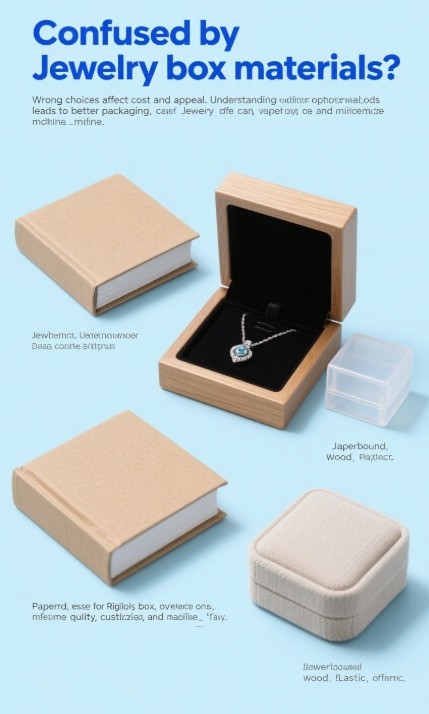
When we talk about "jewellery boxes," it's a wonderfully broad category, encompassing everything from tiny earring boxes to larger keepsake chests. The materials can vary widely, but in my years working closely with packaging manufacturers and designers, I've seen clear preferences emerge based on desired quality, volume, and budget.
Paperboard: The Versatile Choice
This is, without a doubt, a huge player in the jewelry packaging world. From simple, lightweight folding cartons to the luxurious, substantial feel of rigid boxes, paper-based materials are incredibly dominant. Why is this? Their versatility is unmatched. You can print directly onto paperboard, emboss intricate designs, apply foil stamping for a touch of elegance, and wrap it in an almost limitless array of textures and colors. For businesses that need high-volume production of high-quality custom boxes – like many of my Kylin Machine customers who manufacture these boxes – rigid paperboard is the go-to solution. It’s precisely what our specialized machinery is designed to work with, efficiently creating those sharp-edged, sturdy, and premium-feeling boxes that consumers love.
Exploring Other Materials
While paperboard is king for many applications, other materials have their niche. Wood offers a classic, heavy, and often heirloom-quality luxury. However, it's generally more costly and slower to produce in large, highly customized volumes compared to paperboard. Various plastics are also used, especially for clear display cases or very budget-friendly options, but they might not always convey the premium value desired for fine jewelry. Fabric pouches, made of velvet, silk, or satin, are excellent for a softer touch, often used as an inner layer of protection or for more casual jewelry items.
Why Machinery Matters for Paperboard Boxes
For creating high-quality rigid paperboard boxes, the precision and efficiency of the manufacturing process are absolutely paramount. Our Kylin automatic rigid box makers, for example, can automate many steps, from accurately feeding and gluing the paper wrap to perfectly forming the box structure and pressing it for a solid finish. This level of automation ensures a consistency in quality – every box identical to the last – that is nearly impossible to achieve reliably by hand, especially when dealing with the scales required by today's market. It also keeps production efficient, which is crucial for box manufacturers to remain competitive. [I often tell my clients that investing in good machinery is investing in consistent quality for their customers.]
Sustainability and Cost Considerations
Paperboard often presents a more sustainable choice, particularly when it's sourced from recycled materials or certified sustainable forests. It's generally biodegradable and recyclable. While the initial investment in advanced box-making machinery is a significant factor for the box manufacturers, for those buying the finished boxes, machine-made often translates to better, more consistent quality at a competitive price point, especially for larger production runs.
| Material | Primary Advantage | Common Box Type | Relevance to Kylin Machines |
|---|---|---|---|
| Rigid Paperboard | Customization, Premium Feel | Luxury, Gift Boxes | Core Focus of Kylin Tech |
| Corrugated Board | Strength for Shipping | Larger, Transit Boxes | Less Direct Application |
| Wood | High-End Luxury, Durability | Keepsake Boxes | Not Primary Machine Focus |
| Plastic | Cost, Transparency | Display, Mass Market | Not Primary Machine Focus |
| Fabric/Velvet | Softness, Inner Lining | Pouches, Inserts | Component (not box making) |
Choosing the right material is a strategic decision that impacts brand perception and product integrity.
Conclusion
Ultimately, selecting a great necklace box manufacturer means looking at their materials, processes, and the quality of their machinery.

发表回复