
Why does the same book have a different number of pages?
You buy a book and your friend has the same one, but the page numbers do not match. This makes it hard to talk about specific parts and feels very confusing. I will explain why this happens and how printing changes everything.
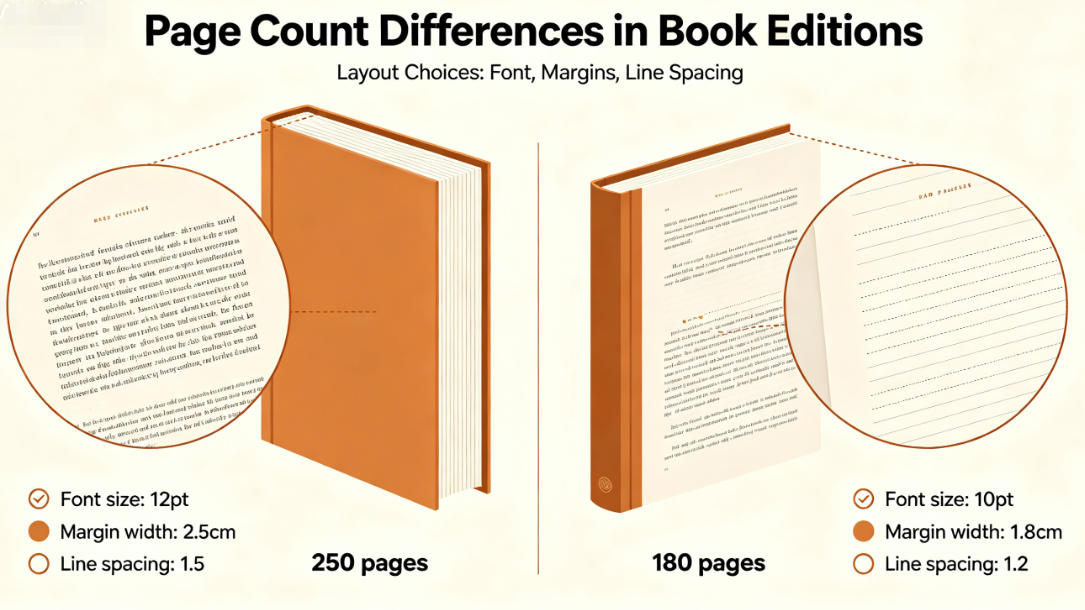
Books have different page counts because of layout choices. Publishers change font size, margin width, and line spacing for different versions. Hardcover books often have more pages than mass-market paperbacks. These changes help the book fit the specific binding style and paper type used in that edition.
I have worked in the packaging and printing industry for many years. I see how books are made every day at my factory. If you want to know the secrets behind your favorite books, keep reading this article.
What is the 5 finger rule for books?
Choosing a book that is too hard can make you hate reading. You struggle with every word and never finish the story. The 5 finger rule is a simple trick to find the perfect book level.
The 5 finger rule helps readers pick books that match their skill. You read one page and put up a finger for every word you do not know. One finger is easy, while five fingers mean the book is too difficult for now.
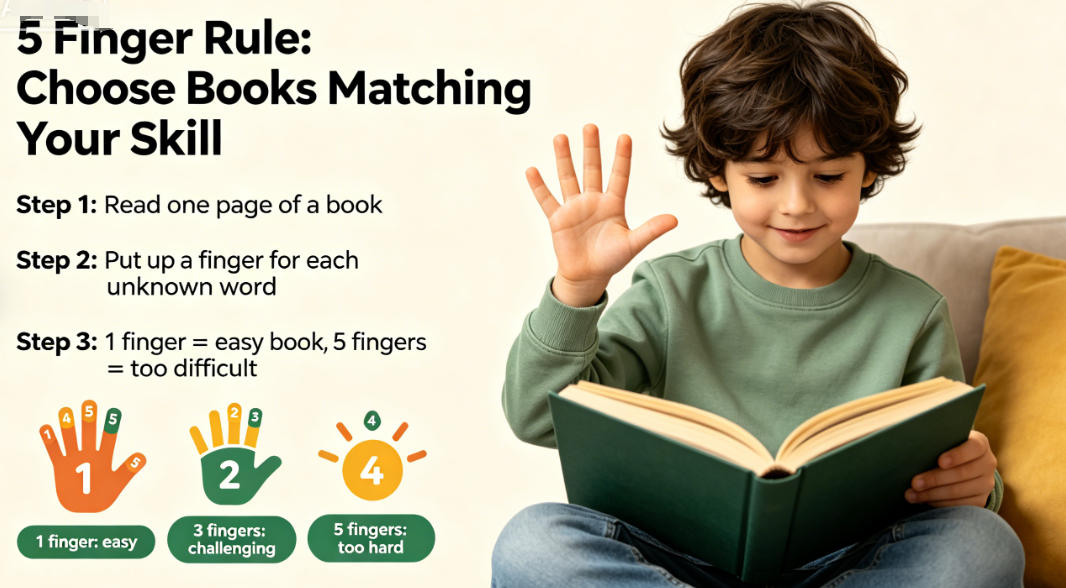
I often tell my customers that the right machine makes the job easy. The same is true for books and reading levels. If a book is too hard, you will give up quickly. The 5 finger rule is a quick test for children and adults. You open a book to any page in the middle. You start reading and count the words you cannot say or understand. This simple method helps avoid the frustration of reading without actually understanding the message. I see this in my factory too. If a worker uses a machine that is too complex for their training, the quality drops. We design our machines to be user-friendly so that everyone can succeed.
Why the 5 finger rule works
This rule works because it measures your fluency in a natural way. If you have zero or one finger up, the book is a "vacation book." It is very easy for you. You can read it while you are tired or distracted. Two or three fingers mean the book is "just right." This is the sweet spot for learning. You will encounter new ideas but you won't get stuck. Four fingers mean it is a "challenge book." You might need a dictionary or a friend to help you through the tough parts. Five fingers mean the book is too hard for now. You should put it back and try again later. There is no shame in waiting until you are ready for a specific story.
Reading Level Guide
| Number of Fingers | Difficulty Level | Recommendation |
|---|---|---|
| 0 - 1 Finger | Very Easy | Good for fast reading |
| 2 - 3 Fingers | Just Right | Best for learning |
| 4 Fingers | Challenging | Read with a partner |
| 5+ Fingers | Too Hard | Wait until you are ready |
I see many people using our Ky-380 Hard Cover Making Machine to create beautiful covers. These covers protect the pages that students use to practice their reading skills.
What does 10 9 8 7 6 5 4 3 2 1 mean on a book?
You look at the copyright page and see a strange string of numbers. It looks like a secret code or a mistake from the printer. Those numbers tell you exactly which print run your book belongs to.
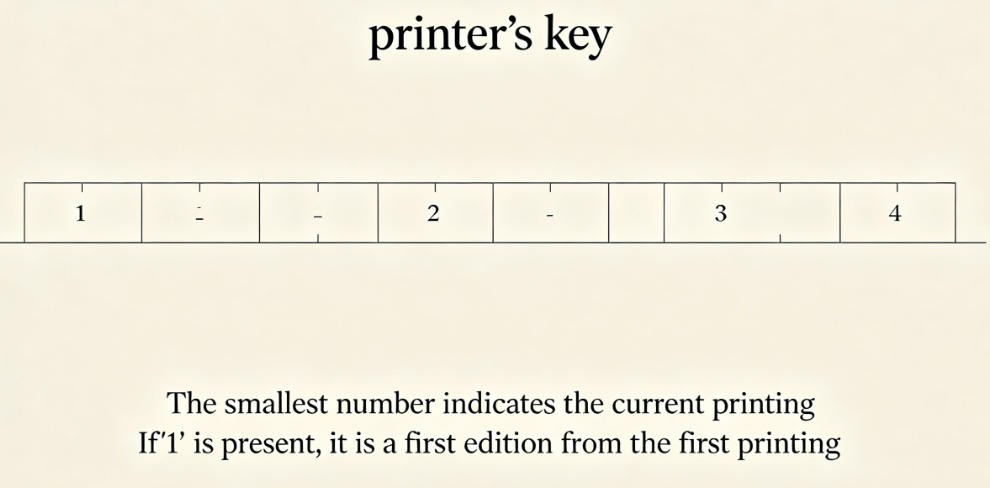
This number line is called a "printer's key." It shows the printing history of that edition. The smallest number in the list tells you the current printing. If the number 1 is present, you have a first edition from the first time it was printed.
I spend a lot of time looking at the technical details of books. In my factory, we focus on the binding, but the copyright page is where the history lives. Publishers use this number line to track how many times they have sent the book to the press. It is a simple way to update the printing plates without changing the whole design. When a book is a hit, the publisher needs more copies fast. Instead of making a whole new file, they just remove a number from the existing plate. This saves time and money. I use similar logic when I set up our production lines for a big order of packaging machines. Efficiency is the key to success in both printing and manufacturing.
How to read the printer's key
You only need to look for the lowest number visible on the page. If you see "10 9 8 7 6 5," it means you have a fifth printing. The numbers 1, 2, 3, and 4 were physically removed from the printing plate before this batch was made. Sometimes the numbers are not in a simple order. They might look like "1 3 5 7 9 10 8 6 4 2." Even then, the lowest number is what matters most. If you see the "1," it is a first printing. This is very important for people who collect books. A first printing of a famous book can be worth a lot of money. It represents the very beginning of that book's journey into the world.
Printing Terms to Know
| Term | What it Means | Why it Matters |
|---|---|---|
| First Edition | The first version of the book | High value for collectors |
| First Printing | The very first batch made | Most sought after version |
| Print Run | One specific batch of books | Helps track inventory |
| Printer's Key | The number line 1-10 | Identifies the batch |
We use our Auto Double wire binding machine for many of these print runs. It helps our clients finish thousands of books quickly and keep the quality high for every single copy.
Does reading books lower cortisol?
Modern life is very stressful and keeps your cortisol levels high. High stress leads to bad sleep, weight gain, and feeling tired all the time. Reading a book is one of the fastest ways to lower your stress.
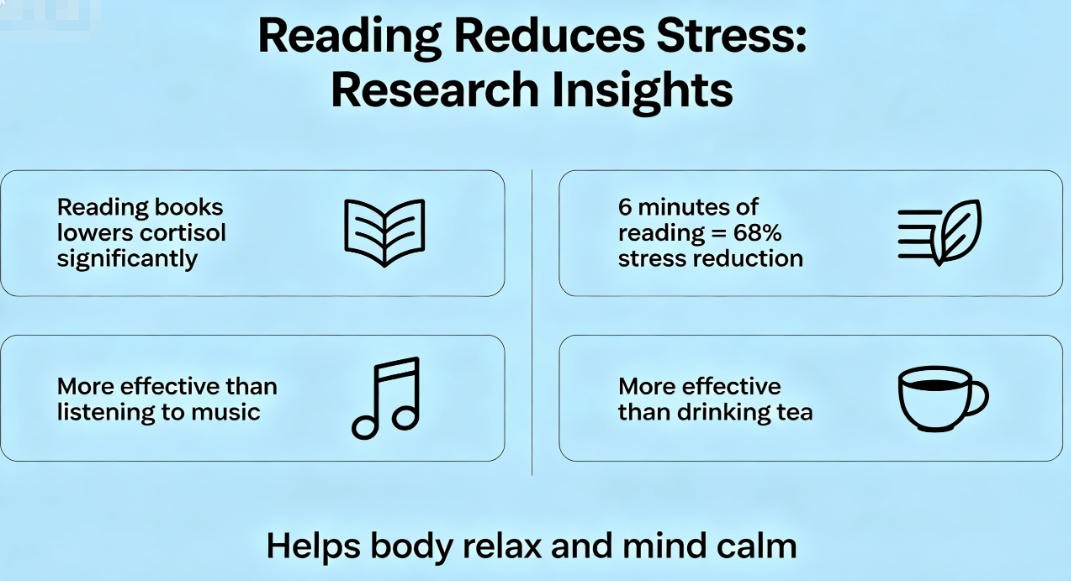
Yes, reading books lowers cortisol significantly. Research shows that reading for just six minutes can reduce stress levels by 68%. This activity is more effective than listening to music or drinking a cup of tea. It helps your body relax and your mind calm down.
I know how busy life can get in the modern world. I run a factory and manage a large team of workers. I often feel the weight of stress at the end of a long day. But I have found that picking up a book is like a reset button for my brain. It is not just about the story you are reading. It is about the physical act of sitting still and focusing on one thing. In our world of constant phone notifications, this focus is a rare gift. When I see the books coming off our assembly lines, I think about the peace they will bring to someone's home.
The science of reading and stress
When you read, your heart rate slows down almost immediately. Your muscles lose their tension because your brain enters a state similar to deep meditation. You are focused on the narrative, which pulls you away from your daily worries and tasks. This shift in focus signals your body to stop producing cortisol, which is the hormone that causes stress. Instead, your body starts to recover from the "fight or flight" mode of a busy workday. It only takes six minutes to see a change. This is faster than almost any other relaxation method. It is a natural way to heal your mind after a day of hard work or study.
Stress Reduction Methods Compared
| Activity | Stress Reduction % | Time Required |
|---|---|---|
| Reading a Book | 68% | 6 Minutes |
| Listening to Music | 61% | 8 Minutes |
| Drinking Tea/Coffee | 54% | 10 Minutes |
| Taking a Walk | 42% | 15 Minutes |
I take pride in making the machines that create these stress-relieving tools. Our Glue Spraying Assembly Machine ensures that the book stays together even if you read it many times to relax.
What is the 50 page rule?
You start a book but you find it very boring and slow. You feel guilty for quitting, so you waste weeks reading something you hate. The 50 page rule gives you permission to stop and find a better book.
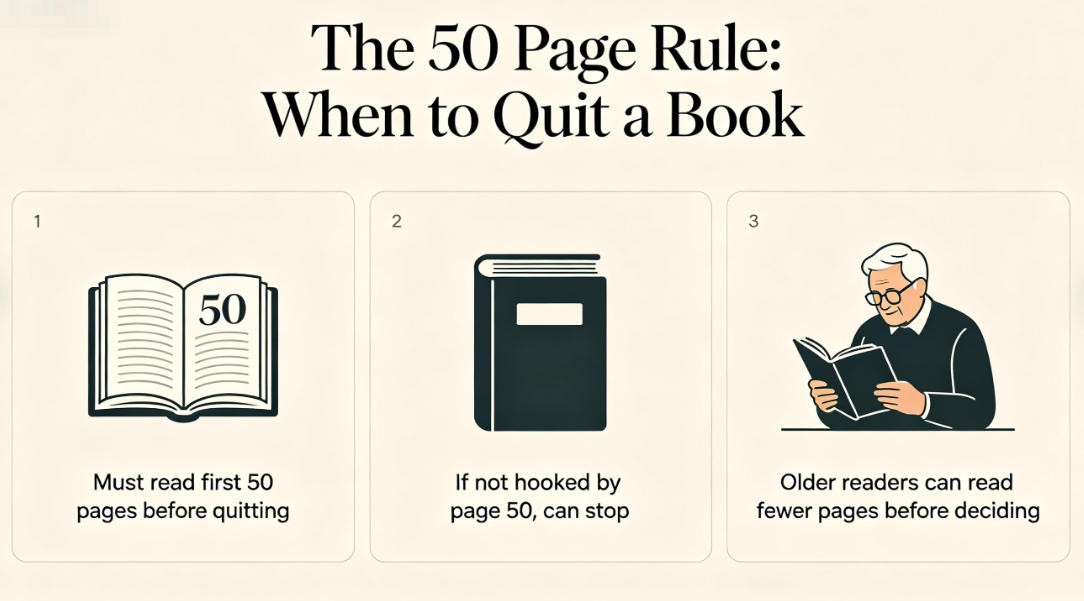
The 50 page rule says you must read the first 50 pages before you quit a book. If you are not hooked by page 50, you can stop. If you are older, you can read even fewer pages before deciding to move on.
I believe that time is our most valuable resource. In my business, we always look for ways to be more efficient and productive. I apply this same thinking to my personal reading habits. There are millions of great books in the world, so why spend time on ones that do not interest you? The 50 page rule is a great way to manage your reading time and keep your hobby fun. If a book hasn't grabbed your attention by page 50, it probably never will. I tell my clients that if a machine doesn't perform well in the first few days, we need to fix it or change it. Books are the same.
How the age adjustment works
The rule has a special part for older readers that I find very wise. As you get older, you realize you have less time left to read every book you want. The rule says you should subtract your age from 100. The result is the number of pages you must read before you can quit. For example, if you are 70 years old, you only need to read 30 pages. If you don't like the book by then, you can stop without feeling any guilt. This allows you to move on to a book that you truly love. Life is too short to force yourself through a story that doesn't make you happy.
The Page Limit Guide
| Your Age | Pages to Read | Why the Change? |
|---|---|---|
| Under 50 | 50 Pages | You have time to explore |
| 60 Years Old | 40 Pages | Time is getting tighter |
| 80 Years Old | 20 Pages | Life is too short for bad books |
| 90 Years Old | 10 Pages | Every page counts now |
We make machines like the IPAD Case making machine for modern reading devices. But for traditional books, I always suggest using this rule to keep your love for reading alive. If you are looking for high-quality book-making equipment, please leave your contact info here.
Conclusion
Books change in page count due to printing choices, but their value stays the same. Use these rules to enjoy your reading and understand the hidden details in every copy.

发表回复