
What are some common uses for paper boxes?
Piles of products need protection? Unsure how to package them effectively? Paper boxes offer versatile, cost-effective solutions for countless items.
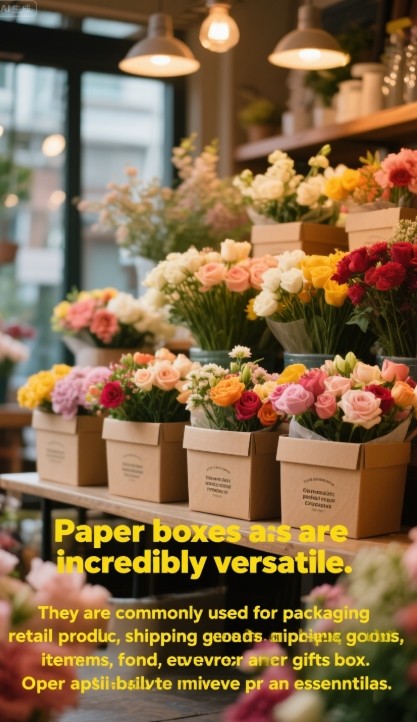
Paper boxes are incredibly versatile. They are commonly used for packaging retail products, shipping goods, storing items, food delivery, and even as gift boxes. Their adaptability makes them essential.
Paper boxes are more than just containers. They play a vital role in our daily lives and businesses. Let's explore their many functions further. You will see how these simple items are so important.
What is the use of a paper box?
Need to understand a box's core function? Wondering why paper is the chosen material? A paper box primarily protects, contains, and transports goods efficiently.
The main use of a paper box is to encase and safeguard contents. It protects items during handling, shipping, and storage. It also helps in organizing and identifying products.
I have seen many businesses succeed. They succeeded because they understood how paper boxes are used. It is not just about putting something in a box. It is about what the box does.
Core Functions of a Paper Box
Paper boxes have several key jobs. Let's look at them.
-
Protection: This is very important. Think about easily broken electronics. Or think of delicate food. A good paper box can protect them. Machines like ours at Kylin Machine help make these quality boxes. The box acts as a cushion. It absorbs shocks. It also keeps out some dust and moisture. I remember a client who shipped delicate glassware. Before using well-structured rigid boxes, they had so much breakage. After, their damage rates dropped almost to zero. That shows the power of good box protection.
-
Containment: This seems simple. But it is very important. Boxes keep many items in one place. Imagine shipping a thousand small screws. Without a box, it would be a mess. Boxes make it easy for businesses to handle items. They also make counting inventory easier. This organization saves time and reduces errors in warehouses and stores.
-
Information Display: Boxes can also show information. They have brand names on them. They list product details. They give handling instructions. They have barcodes. This is important for selling products. It is also important for shipping. A good box tells you things. It is a silent salesperson on the shelf. It is also a guide for logistics personnel.
-
Transport and Handling: Boxes are made for easy moving. They usually have simple shapes. This means you can stack them well on pallets. You can also stack them on shelves. This saves space. It saves money in warehouses. It also saves money during shipping. I often tell my clients at Kylin Machine that the box helps with their shipping plans. Efficient packaging design, which our machines support, can significantly reduce transportation costs.
What are the uses of boxes?
Thinking beyond simple packaging? Are boxes only for new products? Boxes have uses in every industry and even at home, from retail to storage.
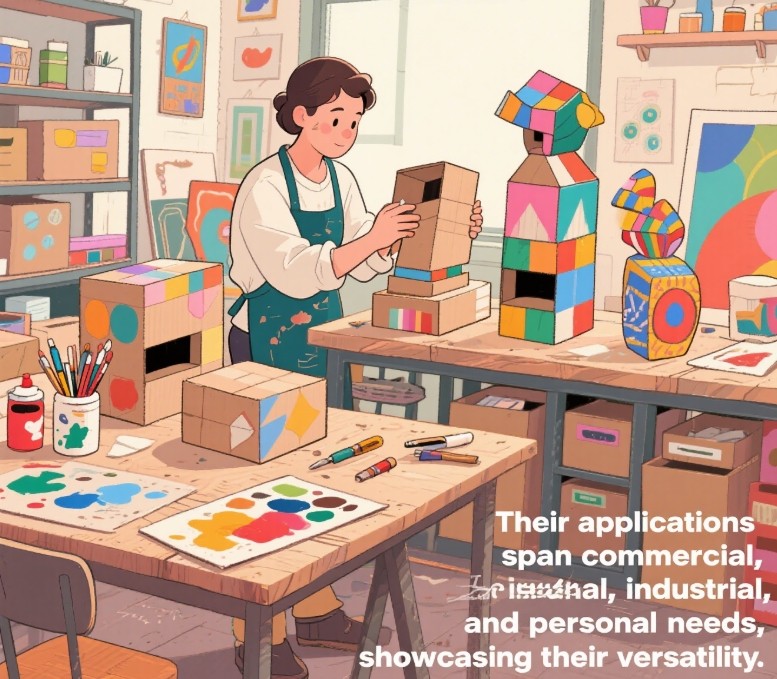
Boxes are used for packaging products, shipping items, organizing belongings, moving houses, and even for creative crafts. Their applications span commercial, industrial, and personal needs, showcasing their versatility.
When we talk about "boxes," it is a wide term. But the main idea of a container with many uses stays the same. In my work, I focus on paper-based boxes. I see them used everywhere.
Expanding the Utility of Boxes
The idea of a "box" is bigger than just a paper container. Let's explore this more.
-
Industry-Specific Applications: Different industries need different kinds of boxes. For example, the drug industry needs safe boxes. These boxes often show if they have been opened. The food industry needs boxes that are safe for food to touch directly. At Kylin Machine, our equipment helps businesses produce these specialized rigid boxes. We provide solutions for luxury packaging, electronics, and more. Each sector has unique needs. For example, a perfume box needs to look good and protect a fragile bottle. A box for machine parts needs to be strong.
-
Material Diversity: I specialize in paper boxes. But other materials like plastic, wood, or metal are also used for boxes. Each material has its good points. Plastic boxes can be waterproof. Wooden boxes are very strong for heavy things. Metal boxes give high security. The best material depends on what you need it for. Even within paper, there are many types, from simple cardboard to high-quality rigid board.
-
Beyond Commercial Use: Boxes are very helpful at home. They help us organize our garages. They store decorations for holidays. They are very important when moving. My family moved not long ago. I remembered again how much good, strong boxes help! It makes everything go more smoothly. It is not just about selling a product. It is about an item that helps people in their everyday lives. Boxes bring order to chaos.
What are 10 ways to use a cardboard box?
Got extra cardboard boxes lying around? Wondering what to do with them? Discover ten creative and practical uses for those versatile cardboard containers.
Cardboard boxes can be used for: 1. Shipping 2. Storage 3. Moving 4. Gift wrapping 5. Children's play forts 6. Pet beds 7. Drawer organizers 8. Composting 9. Weed barriers in gardens 10. Craft projects.
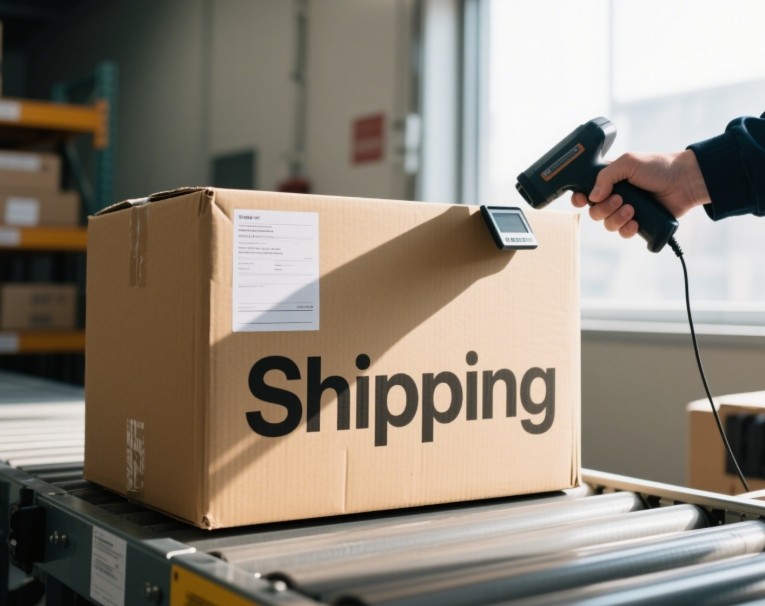
Cardboard boxes are everywhere. That is a good thing because they can be reused in many ways. I have always liked their simple design and how strong they are. I help businesses make these boxes with our machines at Kylin Machine. So, I also like to see them used again after their first job is done. It is not just about the first use. It is about the whole life of the box.
Creative and Practical Reuses for Cardboard Boxes
Let's list some of these uses. There are surprisingly many. Many people find new and smart ways to give them a second life. I have seen customers get very creative. The table below shows ten common ways. But you can think of many more.
| Use Case | Description |
|---|---|
| 1. Shipping | This is the most common use. It is perfect for sending items safely. This is what they are mainly designed for. |
| 2. Storage | These are great for organizing attics, garages, or closets. You can label them to find seasonal items easily. |
| 3. Moving | They are essential for packing your things when you move. Different sizes are very helpful for different items. |
| 4. Gift Boxes | You can decorate plain cardboard boxes. This gives a simple or personal look to a gift. It adds a personal touch. |
| 5. Play Forts | Kids love them! A large box can become a castle, a car, or a secret hideout. It helps them use their imagination. |
| 6. Pet Beds | You can put a soft blanket in a shallow box. This makes a cozy bed for a pet. My own cat loves his cardboard box bed. |
| 7. Organizers | You can cut them down. Then use them to divide drawers. Or use them as small bins for craft items or office things. |
| 8. Composting | You can add cardboard to compost piles. It breaks down and adds carbon. Just take off any plastic tape first. |
| 9. Garden Mulch | You can lay flat cardboard around plants. This stops weeds from growing. It also keeps moisture in the soil. It is a great weed barrier. |
| 10. Craft Base | You can use pieces for art projects. Or use them for making models. Or use them as a surface to protect tables during messy crafts. |
These are just a few ideas. There are really endless possibilities. It shows that a simple cardboard box can be sustainable. It reduces waste. It encourages reuse. This is something we should all think about more.
What were boxes used for?
Curious about the history of containers? Did ancient people use boxes like us? Boxes have a long history, evolving from simple chests to modern packaging.
Historically, boxes were used for storing valuables, transporting goods over long distances, and as religious or ceremonial containers. Materials varied from wood and metal to woven fibers, depending on availability.
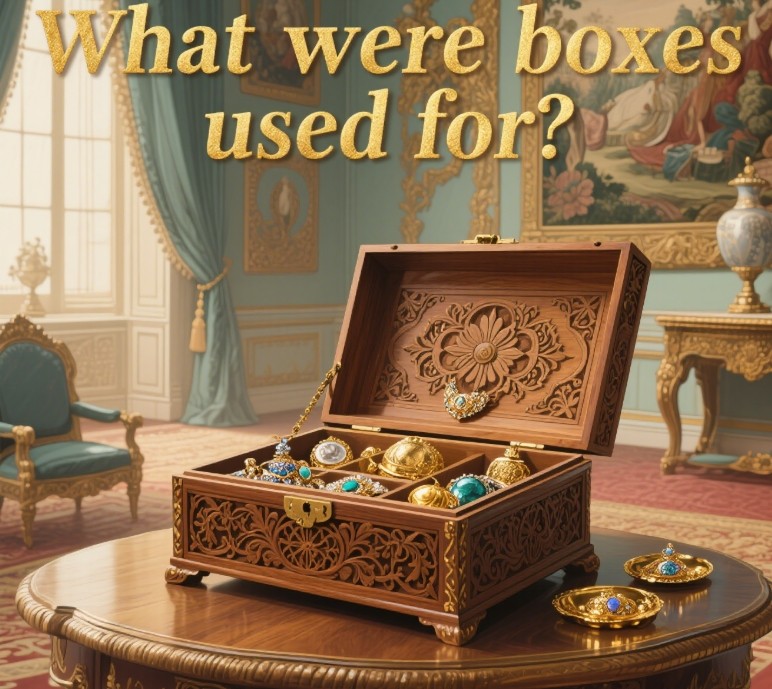
It is interesting to think about how long people have used boxes. The need to store, protect, and move items is not new. It started a very long time ago. Our machines at Kylin Machine make modern paper boxes. But the idea of a box is ancient.
A Brief Look at the History of Boxes
The shapes and materials have changed. But the main job of a box has stayed mostly the same.
-
Ancient Civilizations: Think of Egyptian coffins. These were fancy boxes for a very special, important reason. Ancient Greeks and Romans used wooden chests. They also used ceramic pots to store scrolls, jewelry, and food. These were often strong. Some could be locked for safety. I remember seeing some of these in museums. The work was amazing, even without modern tools. They valued containment and protection even then.
-
The Middle Ages: Wooden chests were common then. People stored clothes, papers, and household things in them. They also used them for travel. Groups of craftsmen, called guilds, had strongboxes for their valuable items. The idea of a safe container was very important. These boxes were often heavy and built to last. They were a sign of wealth or importance.
-
The Rise of Cardboard: Corrugated cardboard was invented in the middle of the 1800s. This changed everything. It was lighter than wood. It was also cheaper. This made it possible to make many boxes easily. This directly led to the packaging industry we have today. This is the industry my company, Kylin Machine, serves. Making boxes efficiently changed business. Products could ship easily and safely. This helped global trade grow. Suddenly, more goods could reach more people, packaged reliably.
Conclusion
Paper boxes are essential. They protect, store, and transport goods effectively. Their versatility serves countless industries and daily needs, highlighting their simple, yet crucial, importance.

发表回复