

Is kraft material good for kraft paper boxes?
Choosing the right material for your boxes is a big decision. A bad choice can lead to damaged products. Kraft paper could be the perfect solution for your packaging needs.
Yes, kraft material is excellent for kraft paper boxes. It is strong, durable, and eco-friendly. Its natural, rustic look is popular, and its sturdiness provides great protection for many products.
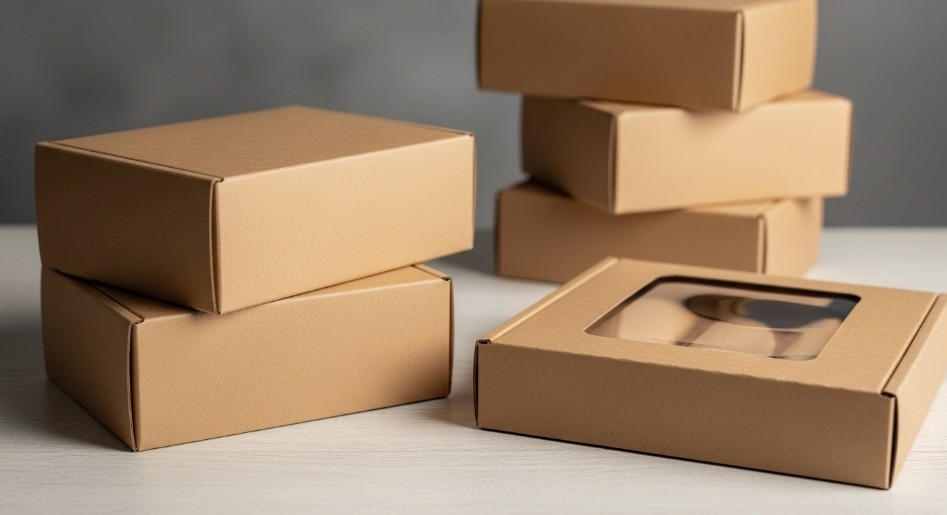
In my years in the packaging machine industry, I've seen countless clients debate this very question. The answer depends on what you need to pack. To really understand if kraft is right for your business, we need to look closer at what it is, how it compares to other options, and where its weaknesses are. Let's break it down so you can make the best choice for your products and your brand.
What are kraft boxes made of?
You see "kraft" on packaging everywhere, but do you know what it really is? Using a material you don't fully understand can cause problems in production. Let's look at its simple origins.
Kraft boxes are made from kraft paper, which comes directly from wood pulp. The unique "Kraft process" uses fewer chemicals, leaving the wood fibers long and strong, which results in its signature brown color.
The name "kraft" actually comes from the German word for "strength," and that's a perfect description. The process behind it is key to its durability.
The Kraft Process Explained
The process involves cooking wood chips into a pulp. Unlike other paper-making methods, the Kraft process breaks down the lignin in wood more effectively without damaging the cellulose fibers. Longer fibers mean stronger paper. This is why kraft paper is so resistant to tearing. Many of our clients at Kylin Machine choose kraft for its toughness, and our machines are built to handle this robust material, ensuring clean cuts and perfect creases every single time.
Why It Stays Brown
Most paper you see is bleached white. The Kraft process skips this intense bleaching step. This not only keeps the paper strong but also makes it more environmentally friendly. The natural brown color is a sign that fewer chemicals were used. This rustic, earthy look has become a powerful branding tool for companies that want to show their commitment to sustainability.
What is the difference between kraft and corrugated boxes?
Many people use the terms "kraft box" and "cardboard box" for the same thing. This can lead to confusion and choosing the wrong box for shipping. The real difference is in their construction.
The key difference is structure. A kraft box is typically made from a single layer of heavy-duty paperboard. A corrugated box has three layers: two flat outer layers with a wavy, fluted layer inside.
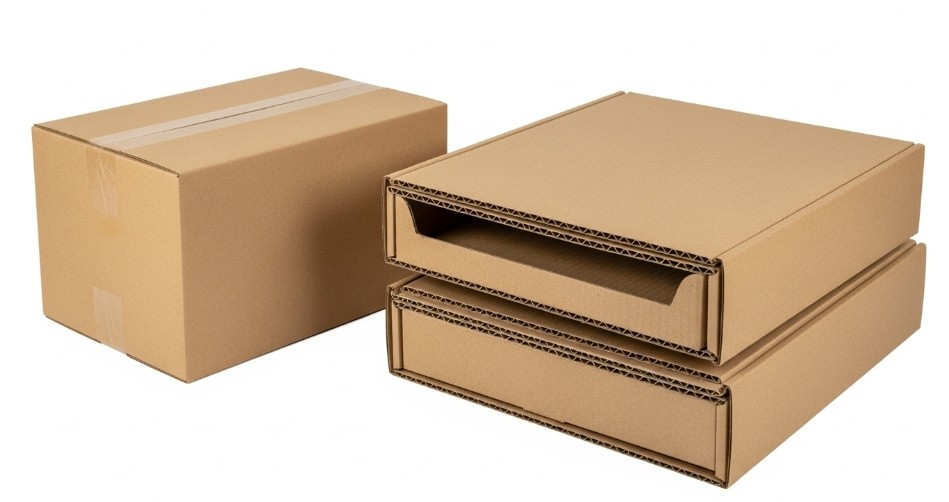
Understanding this structural difference is fundamental for anyone in the packaging business. It directly impacts how a box performs, what it can hold, and its best use.
Layer and Structure
Think of a kraft box as a single, strong sheet of paper folded into a shape. It's great for direct product packaging, like a shoebox or a small electronics box. A corrugated box, on the other hand, is like a sandwich. That wavy middle layer, called the flute, is the hero. It creates air pockets that provide cushioning and make the box much more rigid and difficult to crush.
Strength and Use Cases
This structural difference determines what each box is good for. I always advise my clients to think about the product's journey. Is it sitting on a shelf or being shipped across the country?
| Feature | Kraft Box (Paperboard) | Corrugated Box |
|---|---|---|
| Structure | Single layer | Multi-layer (fluted) |
| Best For | Retail packaging, gift boxes | Shipping, stacking |
| Protection | Good tear resistance | Excellent crush/impact resistance |
| Example | Cereal box, cosmetic box | E-commerce shipping box |
Our machines at Kylin Machine often create high-end rigid boxes, where kraft paper is wrapped over thick greyboard. This gives the premium look of kraft with even more strength. But for the outer shipping carton, corrugated is almost always the right choice.
Is kraft paper good for packaging?
You need packaging that works well, looks good, and doesn't break your budget. A bad material choice can hurt your brand and your bottom line. Kraft paper offers a fantastic mix of benefits.
Yes, kraft paper is an excellent choice for packaging. It is strong, lightweight, and cost-effective. Plus, its eco-friendly reputation appeals to modern consumers, making it a smart choice for many brands.
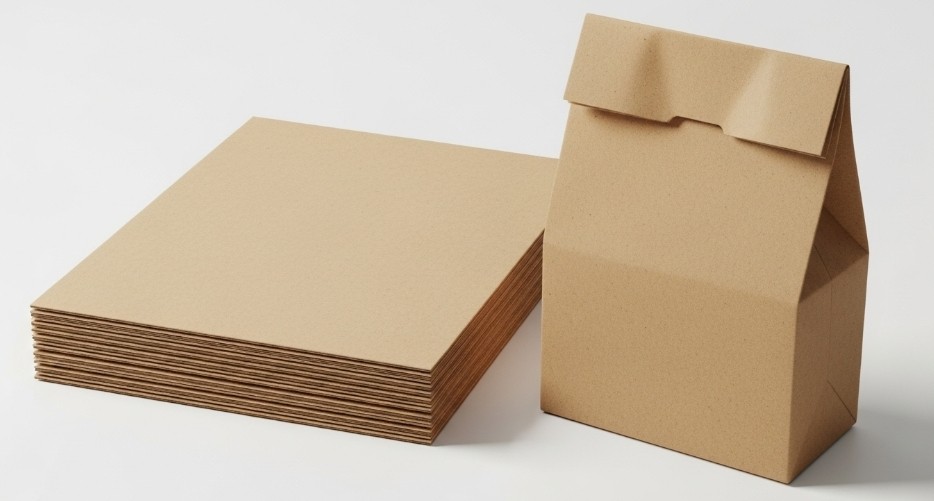
From my perspective in the machinery business, the demand for kraft packaging has grown a lot. Companies see it as more than just a box; it's a statement. Let's look at why it's so popular.
The Strength Factor
As I mentioned, the long fibers in kraft paper give it high tensile strength. This means it can withstand a lot of tension and pressure before tearing. This makes it a reliable choice for protecting goods, from clothing to food items. It’s a durable material that customers can trust to keep their products safe during handling.
The Sustainability Angle
This is a huge selling point today. Kraft paper is often made from sustainable pine sources, and it is 100% recyclable and biodegradable. Because the unbleached version uses fewer chemicals, its production process is cleaner. Consumers care about this. I've seen many of our clients win big contracts by offering their customers sustainable packaging options made from kraft paper.
Customization and Branding
The simple, natural look of kraft paper is like a blank canvas. It works beautifully with minimalist designs, often just black or white ink. This creates a premium, organic feel that many brands are looking for. It's also easy to print on, stamp, or add labels to. This versatility allows for creative branding that stands out on the shelf.
What are the disadvantages of kraft paper?
Kraft paper sounds almost perfect, but is it right for every single product? Ignoring its limitations can lead to damaged goods and unhappy customers. We need to be honest about its downsides.
The main disadvantages are its low resistance to moisture and oil. It is not ideal for very fragile items without extra padding, and its brown color can make some printed colors appear dull.
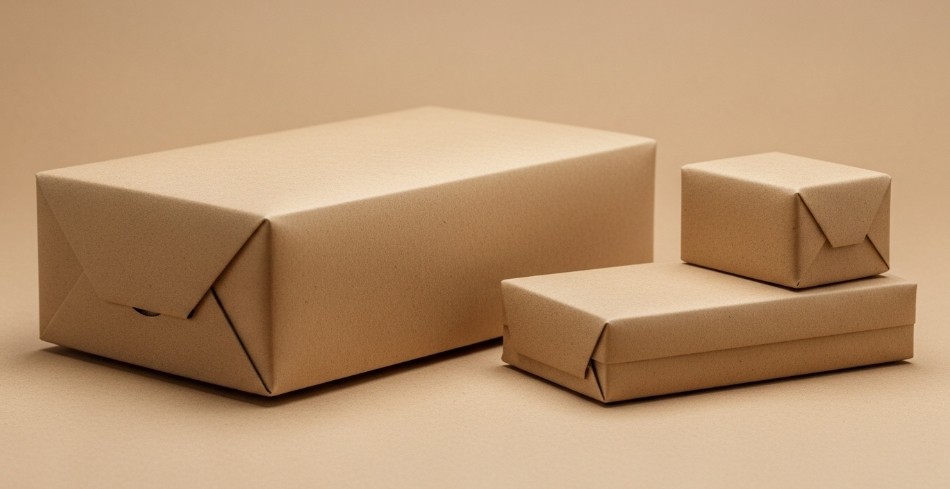
Being aware of these weaknesses is just as important as knowing the strengths. A good packaging producer knows when to use kraft and when to choose something else.
Moisture and Grease Issues
Standard kraft paper acts like a sponge. It absorbs moisture from the air, and direct contact with water will weaken it significantly. This makes it a poor choice for products that need protection from humidity or might be refrigerated. Similarly, it offers no barrier against oil or grease, which can seep through and stain the packaging. For these applications, a coated paper or plastic material is usually necessary.
Limited Print Vibrancy
While the natural look is a plus for many, it can be a negative if your brand relies on bright, vibrant colors. The brown background of kraft paper will absorb light and can make inks appear darker or less saturated than they would on a white surface. Achieving a bright yellow or a light pink is very difficult. Brands must design their artwork with this limitation in mind.
Structural Rigidity
While tear-resistant, a simple kraft paper box is not as rigid as a corrugated box or a formal rigid box. It won't hold up well to heavy stacking without reinforcement. This is why many of my clients use our machines to laminate kraft paper onto thick greyboard. This process creates a true rigid box that has the beautiful look of kraft on the outside but the uncrushable structure of a premium box on the inside.
Conclusion
Kraft paper is a strong, eco-friendly, and stylish material for many boxes. But remember its limits with moisture and printing vibrant colors. Choose it when its strengths match your product's needs.

发表回复