

Which types of materials are used in packing gifts?
Choosing gift packaging can be confusing. The wrong material can make a premium product look cheap. Let's explore the best materials to elevate your gifts and impress your customers.
The most common materials for packing gifts include paper, paperboard, and fabrics. Paper is used for wrapping and bags. Paperboard, like chipboard, creates sturdy gift boxes. Fabrics like cotton or silk add a luxurious touch to bags and ribbons.
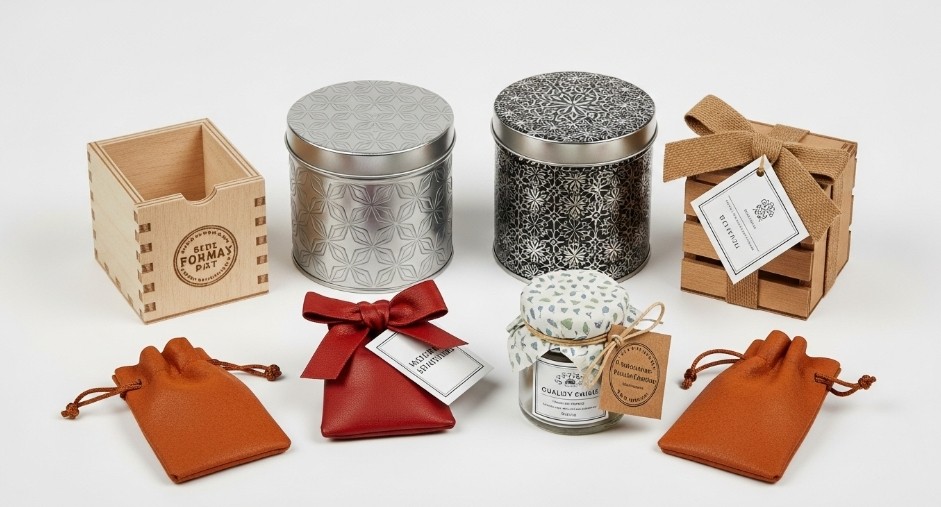
That's the quick answer. But for those of us in the packaging industry, the details are what separate an average product from a great one. I've spent over two decades in this business with my company, Kylin Machine, helping clients create stunning packaging. The material you choose is the foundation of your entire presentation. Let's look deeper into the specific materials you'll be working with.
What are the types of material used in packaging?
The world of packaging materials is huge. Using an outdated or unsuitable material can hurt your profits and your reputation. Let's get familiar with the main categories you'll encounter.
The primary types of packaging materials are paper-based, plastics, glass, and metal. For gift packaging specifically, paper-based materials like paperboard and art paper are dominant. Textiles like cotton and jute are also popular for reusable bags and decorative elements.
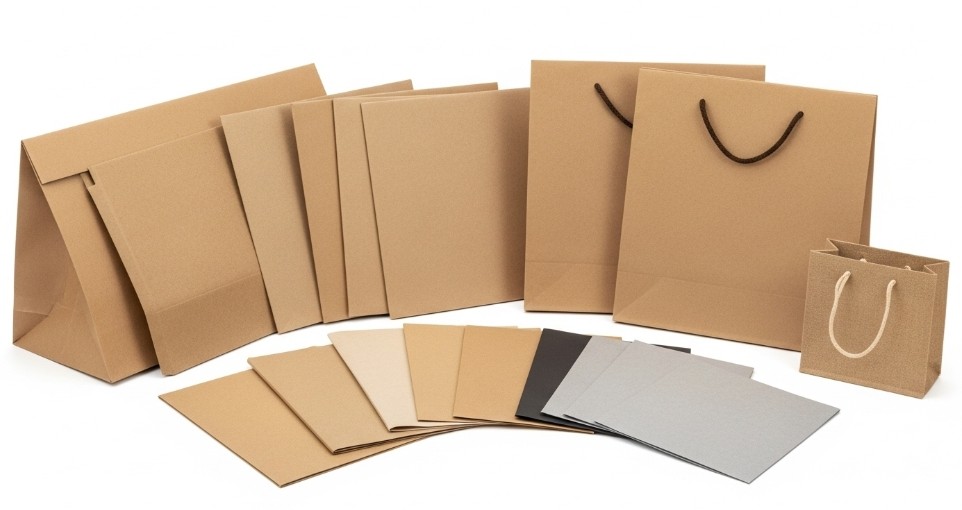
In my experience, understanding the pros and cons of each material is crucial for any packaging business. Your choice affects everything from production costs to customer perception. Let's break down the most common materials used in the gift industry.
Paper-Based Materials
This is the largest and most versatile category for gift packaging. It is eco-friendly, easy to print on, and works well with machinery. We see our clients at Kylin Machine use these materials more than any other. They are the backbone of the industry.
- Paperboard: This is a thick paper-based material. It is lightweight but strong. It's used for folding cartons, like the kind you see for cosmetics or small electronics.
- Corrugated Cardboard: This is made of three layers of paper. It's very strong and used for shipping boxes. For gifts, it's sometimes used to create a rustic, sturdy gift box.
- Chipboard/Greyboard: This is a heavy-duty board made from recycled paper. It is the core material for high-end rigid boxes.
Other Key Materials
While paper is king, other materials serve important roles, especially in the luxury market.
- Plastics: Things like clear cellophane are used for wrapping gift baskets. Some high-end boxes may have a plastic window.
- Textiles: Fabrics like cotton, canvas, and jute are used for reusable gift bags. Silk and satin are used for ribbons and box linings.
Here is a simple table to compare them.
| Material Category | Common Use Cases | Key Advantage | Key Disadvantage |
|---|---|---|---|
| Paper-Based | Boxes, Bags, Wrapping | Versatile & Recyclable | Can be less durable |
| Plastics | Wraps, Windows, Fillers | Transparent & Cheap | Environmental concerns |
| Textiles | Bags, Ribbons, Linings | Reusable & Premium Feel | Higher cost |
What material is used for gift bags?
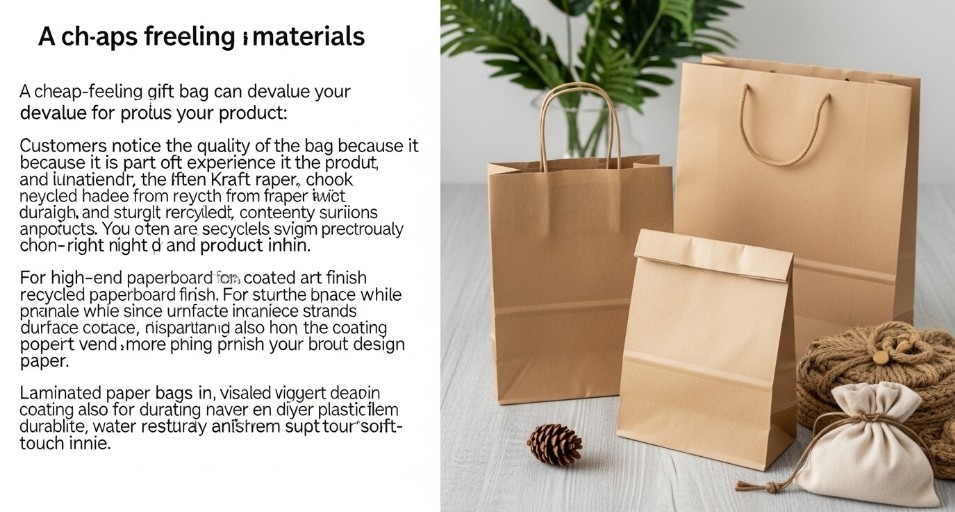
A cheap-feeling gift bag can devalue your product. Customers notice the quality of the bag because it is part of the experience. You need to choose the right material.
Gift bags are primarily made from paper. Kraft paper is common for its strength and rustic look. Coated art paper is used for high-end bags because it allows for vibrant printing. Fabric bags made of cotton or jute are also popular for eco-friendly or luxury brands.
The material of a gift bag says a lot about the brand. I once visited a customer in Europe who specialized in packaging for luxury boutiques. They showed me how a slight increase in paper thickness, what we call GSM (grams per square meter), dramatically improved the perceived value of the gift bag. It's a small detail that makes a big difference.
Paper Gift Bag Options
Paper is the most common choice because it balances cost, durability, and print quality. The type of paper you choose determines the final look and feel.
- Kraft Paper: This is a strong paper, either in its natural brown color or bleached white. It is popular for its durability and eco-friendly appearance. It’s a workhorse material.
- Art Paper: This paper has a clay coating, which gives it a smooth and slightly glossy surface. It is perfect for high-quality, full-color printing. This is the go-to for premium brands.
- Specialty Papers: This category includes textured, embossed, or foiled papers. They add a unique tactile experience and are used for luxury packaging.
Fabric and Alternative Bags
Fabric bags are often positioned as a reusable and premium alternative to paper.
- Cotton/Canvas: These are durable and excellent for printing simple logos. They are often given as a reusable shopper tote.
- Jute: This natural fiber has a rustic, earthy feel. It is very strong and is popular with organic and natural brands.
Here is a comparison of the most common bag materials.
| Material | Typical Use | Printability | Perceived Value |
|---|---|---|---|
| Kraft Paper | Everyday, Eco | Good | Standard |
| Art Paper | Premium, Retail | Excellent | High |
| Cotton/Canvas | Promotional, Reusable | Good | High (Utility) |
| Jute | Natural Brands | Fair | Niche, Eco-Luxe |
What are the materials needed for gift wrapping?
Simple wrapping can look unprofessional. A poorly wrapped gift might suggest you don't care about the product inside. It's better to master the essential wrapping materials for a great look.
The essential materials for gift wrapping are wrapping paper, tape, and scissors. To elevate the presentation, you should also include decorative elements like ribbons, bows, and gift tags. These items work together to create a professional and appealing final product.
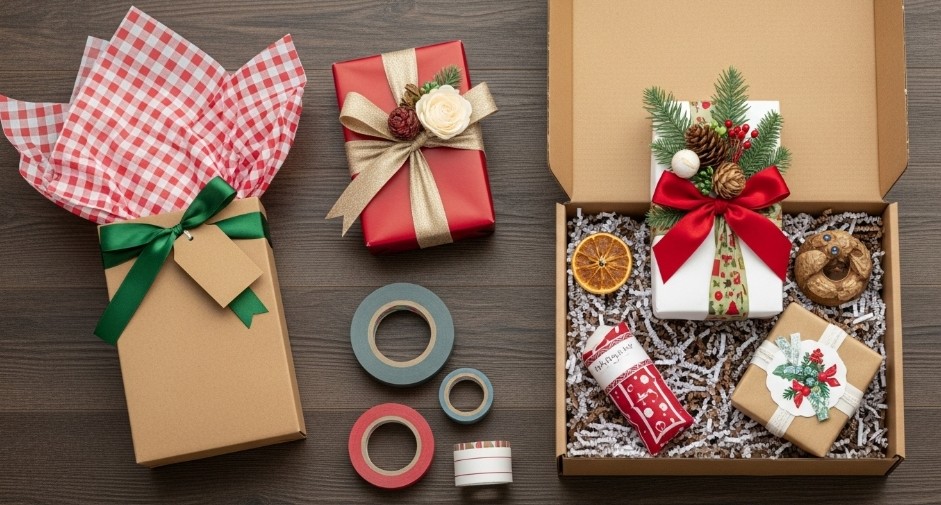
Thinking about the complete set of materials is key. I've learned that it's not just about the paper. It's about how all the elements come together. A business that offers gift wrapping services needs to stock a good range of these materials. It's an easy way to add value for their customers.
The Foundation: Paper and Adhesives
This is the base of any wrapped gift. The quality here is immediately noticeable.
- Wrapping Paper: This comes in countless designs and finishes. A matte finish looks modern and sophisticated. A gloss finish is traditional and vibrant. Kraft paper gives a rustic, homemade feel. The weight of the paper also matters; thicker paper is less likely to tear and feels more premium.
- Tape: For a clean look, double-sided tape is the professional's choice. It hides the adhesive and keeps all the focus on the paper and ribbons. Clear gift-wrapping tape is the standard alternative.
The Finishing Touches: Embellishments
These are the items that add personality and a sense of occasion.
- Ribbons and Bows: These add color, texture, and a celebratory feel. Satin ribbon offers a classic sheen. Grosgrain ribbon has a ribbed texture that feels substantial. Natural twine works well with Kraft paper.
- Gift Tags: A simple tag for a handwritten message makes the gift more personal.
Here is a look at a basic kit versus a premium one.
| Component | Basic Wrapping Kit | Premium Wrapping Kit |
|---|---|---|
| Paper | Standard thin, glossy paper | Thick, matte or specialty paper |
| Adhesive | Clear gift wrap tape | Double-sided tape |
| Finishing | Pre-made plastic bow | Fabric ribbon (satin, grosgrain) |
| Accessory | Simple sticker tag | High-quality cardstock gift tag |
What are gift boxes made of?
All gift boxes are not the same. A weak, flimsy box can get crushed during handling. This can damage the product inside and ruin the customer's experience. You must understand what makes a good box.
Most gift boxes are made from paperboard. For premium packaging, rigid boxes are made from a thick, non-collapsible chipboard. My company, Kylin Machine, specializes in machinery that wraps this chipboard with decorative paper to create strong, high-end boxes.
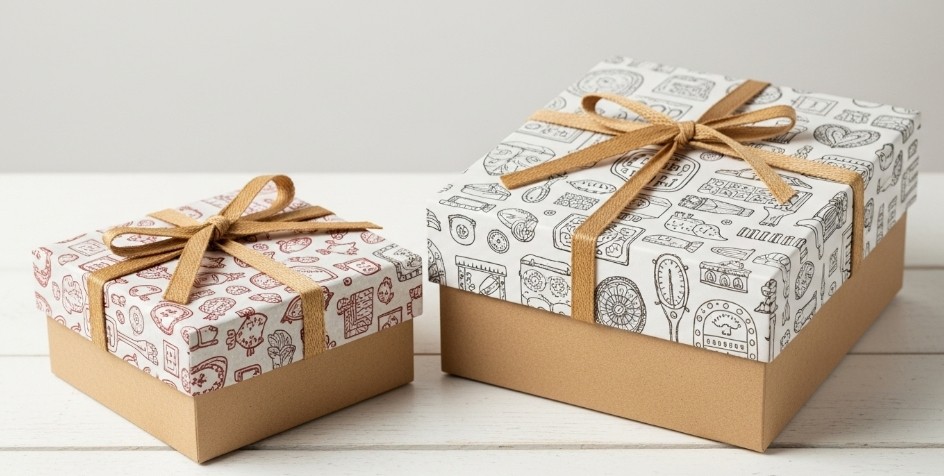
This is an area I am very passionate about. The rigid box is the gold standard for luxury products like smartphones, jewelry, and high-end cosmetics. It provides superior protection and an unmatched unboxing experience. Our machines, like the Robotic Spotter, are designed to create these boxes with incredible precision. The material is simple, but the construction is what creates the value.
Folding Cartons
These are the most common type of box.
- Material: They are made from a single layer of paperboard.
- Construction: They are shipped flat to save space and are assembled by the user. They are lightweight and relatively inexpensive, making them great for mass-market products. The main drawback is their limited strength.
Rigid Boxes (Set-Up Boxes)
This is the premium option and the focus of our work at Kylin Machine.
- Material: They are built on a foundation of thick chipboard or greyboard, which is often 2-3mm thick. This core is then wrapped in a high-quality paper. The paper can be plain, printed, or have a special texture.
- Construction: These boxes are delivered pre-assembled and are very strong. They don't collapse, which provides excellent protection for the product inside. Their sturdiness and flawless finish communicate luxury and quality.
Here’s how they compare directly:
| Feature | Folding Carton | Rigid Box |
|---|---|---|
| Core Material | Thin Paperboard | Thick Chipboard/Greyboard |
| Strength | Lower | Very High |
| Shipping | Ships flat (cost-effective) | Ships assembled (takes more space) |
| Perceived Value | Standard | Premium / Luxury |
| Best For | Everyday retail, food products | Electronics, jewelry, cosmetics, spirits |
Conclusion
Choosing the right gift material affects how people see your brand. From simple Kraft paper to strong rigid boxes, every choice tells a story. Make sure it's a good one.

发表回复