

What are the different types of protective packaging?
Packaging your products without proper protection is like sending a soldier to battle without armor. You risk damage, returns, and unhappy customers that cost you money and reputation.
Protective packaging refers to materials specifically designed to shield products during storage and transit, including bubble wrap, foam inserts, air pillows, paper void fill, and protective mailers—each serving different protection needs based on product fragility and shipping conditions.
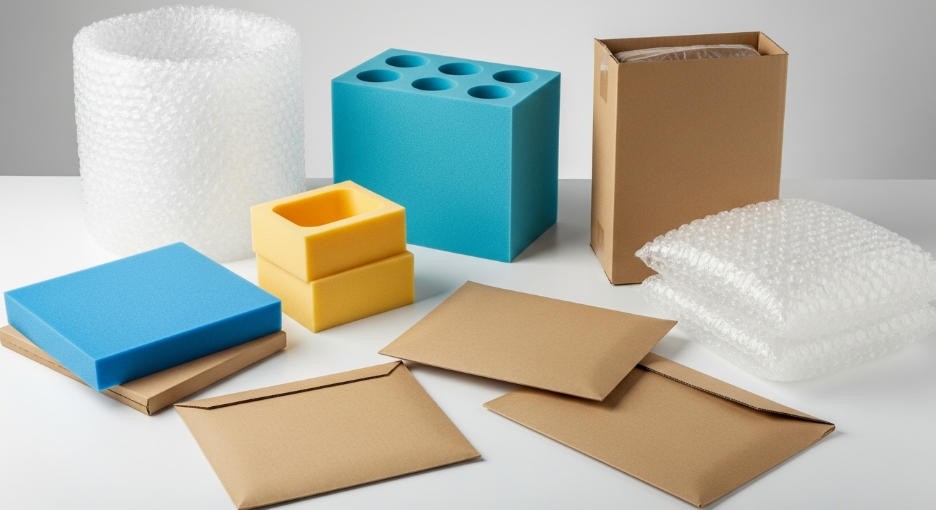
In my years working with packaging machinery at Kylin, I've seen countless products damaged during shipping that could have been prevented with the right protective materials. Let's explore the different types of protective packaging to ensure your products arrive safely at their destination.
What type of protective packaging is used?
Choosing the wrong protective packaging is like picking sandals for a snowstorm—it simply won't provide the protection your products need during their journey to customers.
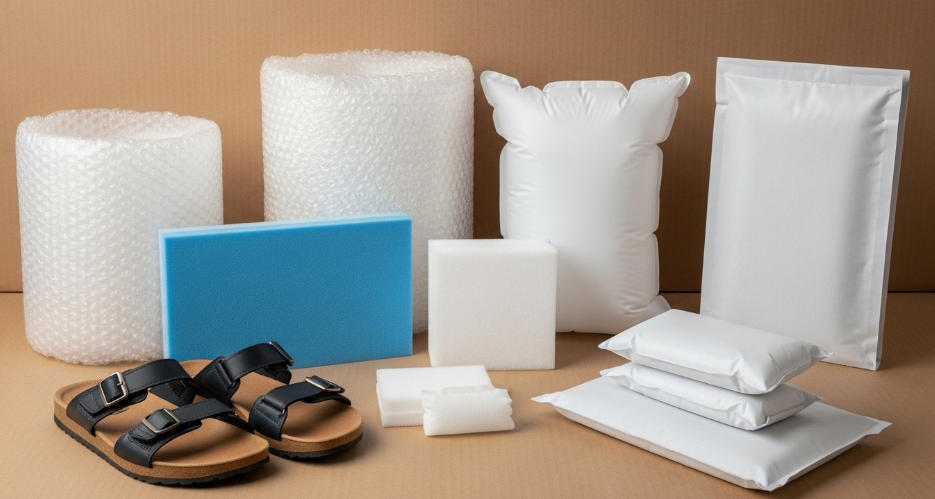
The most commonly used protective packaging materials include bubble wrap for cushioning, foam inserts for custom protection, air pillows for void filling, paper-based materials for eco-friendly options, and protective mailers for small items—each selected based on product fragility, size, weight, and environmental considerations.
Bubble Wrap and Air Cushioning
Bubble wrap remains one of the most versatile protective packaging materials in the industry. Available in different bubble sizes, this lightweight material provides excellent cushioning against impacts and vibrations. The larger bubbles offer softer protection ideal for delicate items, while smaller bubbles provide better resistance against scratches and dents.
At our factory in Dongguan, we've tested various protective materials with our rigid box machines, and bubble wrap consistently performs well for protecting premium packaging during transit. The material can be easily cut to size, wrapped around products of various shapes, and secured with tape. Its reusability also makes it an economical choice for businesses that process returns.
Air pillows serve a similar function but come in pre-formed sheets of inflatable rectangular cushions. These are particularly effective for void filling—preventing items from shifting inside larger boxes during shipping. Modern air pillow systems allow businesses to inflate these on demand, saving valuable storage space in warehouses.
Foam Inserts and Cushioning
When it comes to custom protection for high-value or extremely fragile items, foam inserts are unmatched. These can be custom-molded to fit the exact dimensions and contours of your product, providing a snug fit that prevents movement during transit.
Polyethylene foam is particularly popular due to its lightweight nature, which adds minimal weight to packages and helps keep shipping costs down. It's also 100% recyclable, making it an environmentally responsible choice for businesses concerned about sustainability.
In our experience working with luxury packaging clients, foam inserts provide the perfect complement to rigid boxes for high-end products like watches, jewelry, and electronics. The combination of a sturdy outer box with custom foam interior creates a premium unboxing experience while ensuring maximum protection.
What are the different types of packaging?
Packaging decisions can make or break your product's journey from warehouse to customer doorstep, affecting not just protection but also customer perception and environmental impact.
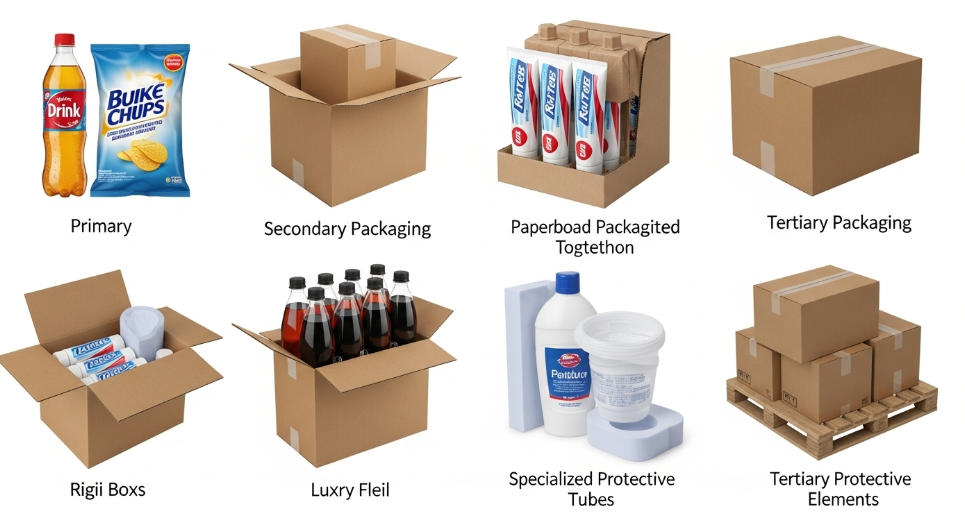
Packaging types include primary packaging (directly contains the product), secondary packaging (groups primary packages), and tertiary packaging (for bulk transport). Materials range from paperboard and corrugated cardboard to rigid boxes, plastic containers, and specialized protective elements—each serving different functions in the packaging hierarchy.
Paper-Based Protective Packaging
As sustainability becomes increasingly important to consumers and businesses alike, paper-based protective packaging has seen a significant rise in popularity. These materials are biodegradable, recyclable, and often made from post-consumer waste, making them an environmentally responsible choice.
Kraft paper can be crumpled to create cushioning or used as void fill in boxes. More advanced paper solutions include honeycomb structures that provide impressive strength-to-weight ratios and excellent shock absorption. Paper padding machines can convert simple kraft paper into an effective protective material on demand.
At Kylin Machinery, we've noticed a growing trend among our clients toward integrating paper-based protective elements with their rigid box designs. This combination allows for premium presentation while maintaining environmental credentials—something increasingly demanded by end consumers.
The versatility of paper-based solutions makes them suitable for a wide range of products, from cosmetics and food items to electronics and household goods. They're particularly effective when used in conjunction with other protective elements in a comprehensive packaging strategy.
Protective Mailers and Specialized Packaging
For smaller items that don't require a full box, protective mailers offer an excellent solution. These envelopes incorporate protective elements like bubble lining or padded interiors to safeguard contents during shipping.
Protective mailers come in various sizes and materials, including paper-based options for eco-conscious brands. They're particularly popular for e-commerce businesses shipping smaller items like jewelry, accessories, or small electronics, as they combine protection with shipping efficiency.
Beyond standard protective materials, specialized packaging solutions exist for specific industries and products. Anti-static materials protect sensitive electronics from electrostatic discharge, while temperature-controlled packaging preserves perishable items. Moisture-resistant barriers shield products from humidity and water damage during transit or storage.
What are the 5 PS of packaging?
Understanding the fundamental principles of packaging can help businesses develop more effective protective strategies that balance protection, presentation, and practicality.
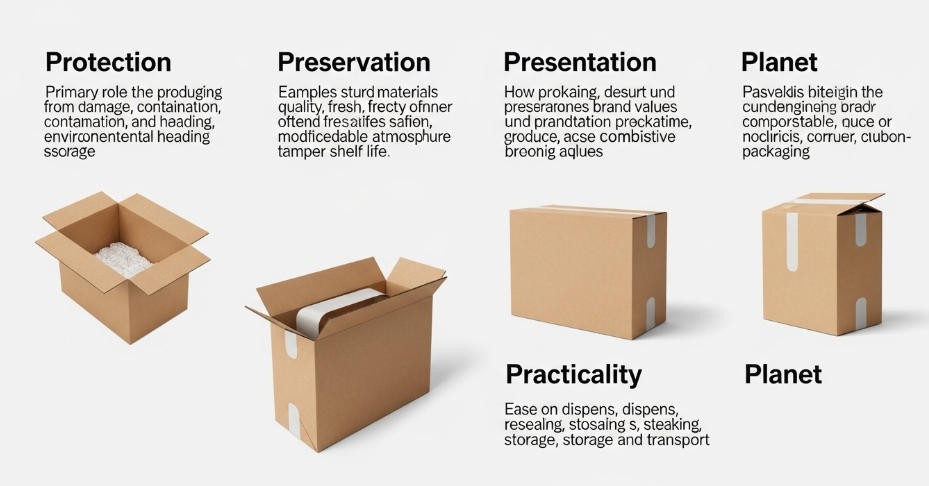
The 5 Ps of packaging are Protection (safeguarding products during transit), Preservation (maintaining product quality and extending shelf life), Presentation (enhancing visual appeal and brand experience), Practicality (ensuring ease of use and storage), and Planet (considering environmental impact and sustainability)—all critical considerations for effective packaging design.
Protection
The primary function of protective packaging is, of course, protection. This involves safeguarding products from physical damage during handling, storage, and transportation. Different products face different risks—from impact and vibration to compression and puncture—requiring tailored protective solutions.
In my experience working with packaging machinery, I've seen how inadequate protection can lead to significant financial losses through damaged goods, returns, and dissatisfied customers. The right protective packaging is an investment that pays dividends through reduced damage rates and improved customer satisfaction.
Protection must be considered throughout the entire supply chain, from manufacturing and warehousing to last-mile delivery. Each stage presents unique challenges that may require different protective elements working in concert.
Preservation
Beyond physical protection, packaging must also preserve the quality and integrity of the product throughout its journey and shelf life. This is particularly important for perishable goods, sensitive electronics, or products vulnerable to environmental factors like humidity, temperature, or light.
Preservation features might include moisture barriers, temperature control elements, or oxygen absorbers. Even for non-perishable items, preservation ensures that products reach customers in the same condition they left the warehouse, maintaining brand reputation and reducing returns.
At Kylin, we've worked with clients in industries ranging from luxury goods to electronics, each with unique preservation requirements. Understanding these needs is essential to designing effective protective packaging solutions that maintain product quality from production to end-user.
Presentation
While protection and preservation are functional aspects of packaging, presentation addresses the emotional and psychological elements of the customer experience. In today's competitive market, packaging is often the first physical interaction a customer has with a brand, making it a crucial touchpoint for brand impression.
Presentation doesn't mean sacrificing protection—rather, it's about integrating protective elements in a way that enhances rather than detracts from the unboxing experience. Premium rigid boxes with custom foam inserts, for example, provide excellent protection while creating a memorable unboxing moment.
Our machinery at Kylin specializes in creating high-quality rigid boxes that balance protection with premium presentation, allowing brands to deliver products safely while making a lasting impression on customers.
What is the best protection for packaging?
Determining the optimal protective packaging solution requires careful consideration of product characteristics, shipping conditions, and business objectives.
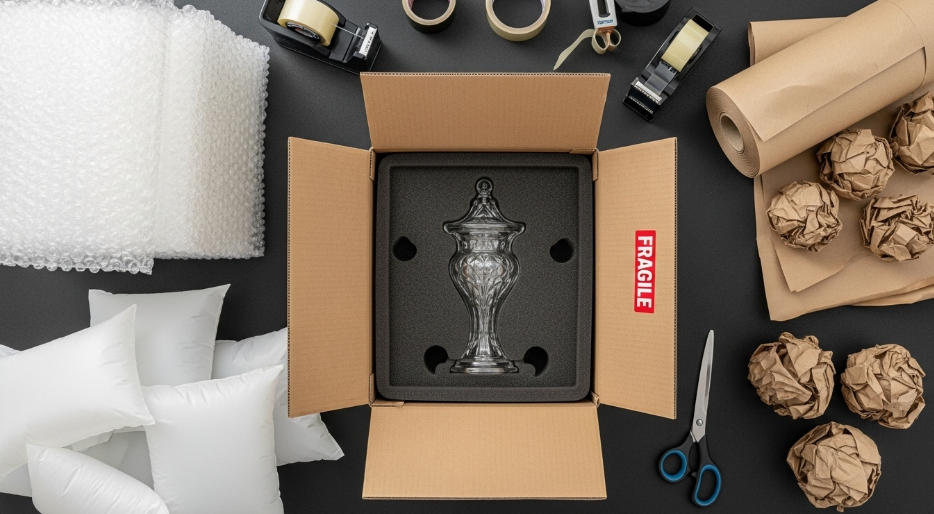
The best protection for packaging depends on specific product requirements—custom foam inserts excel for fragile, high-value items; bubble wrap and air pillows provide versatile, cost-effective cushioning; paper-based solutions offer eco-friendly alternatives; and combination approaches often deliver optimal results by addressing multiple protection needs simultaneously.
Integrated Protection Strategies
In my experience working with packaging machinery and clients across various industries, I've found that the most effective protective packaging often combines multiple materials and techniques. This integrated approach allows businesses to address different protection needs while optimizing costs and sustainability.
For example, a premium electronic device might be housed in a rigid box with custom foam inserts for precise protection, air pillows to fill void spaces, and an outer corrugated shipping box for transit protection. This multi-layered approach ensures comprehensive protection throughout the supply chain.
Integrated strategies also allow for more efficient use of materials, reducing waste and shipping weight while maintaining or improving protection. By carefully analyzing product vulnerabilities and shipping conditions, businesses can develop tailored protection systems that balance effectiveness, cost, and environmental impact.
Testing and Validation
No matter which protective packaging solution you choose, testing is essential to ensure it performs as expected under real-world conditions. Drop tests, vibration tests, and compression tests can reveal potential weaknesses in your packaging system before they lead to damaged products and unhappy customers.
At Kylin, we work closely with our clients to test packaging solutions with their specific products, often making adjustments based on test results to optimize protection. This iterative process helps refine protective strategies and builds confidence in packaging performance.
Regular validation of packaging performance through damage rate tracking and customer feedback provides valuable insights for continuous improvement. As shipping conditions, product designs, and customer expectations evolve, protective packaging strategies should adapt accordingly.
Conclusion
Choosing the right protective packaging is crucial for ensuring products reach customers safely while balancing cost, sustainability, and presentation considerations. By understanding the different types available and applying the 5 Ps of packaging, businesses can develop effective protection strategies that enhance the customer experience and strengthen brand reputation.
Visit Kylin Machine to explore our range of packaging machinery for rigid boxes and book covers that complement your protective packaging strategy.

发表回复