

Is there a difference between carton and cardboard?
Struggling to choose the right packaging? Confused by terms like carton and cardboard? You're not alone, and using the wrong one can be costly.
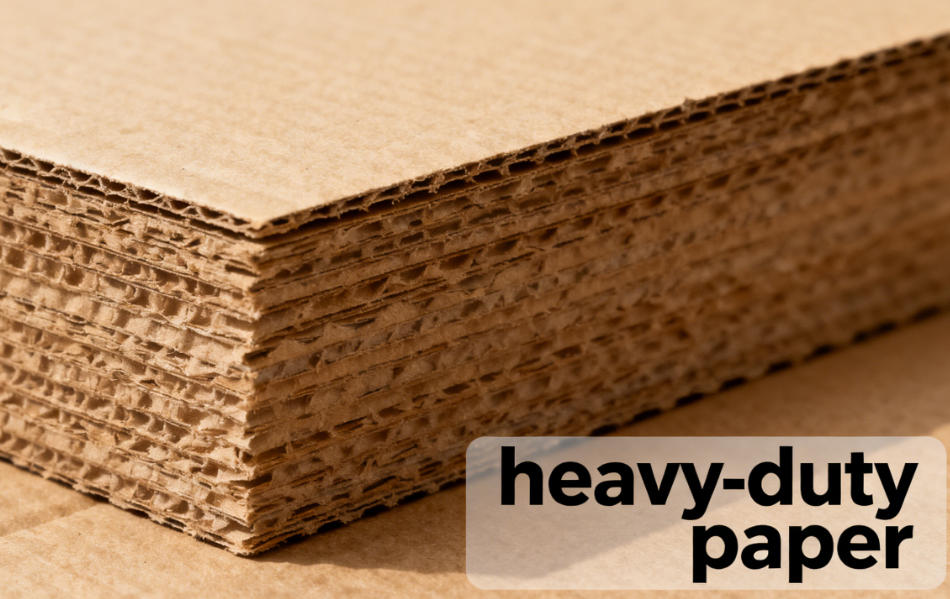
Yes, there is a difference. "Cardboard" is a generic term for heavy-duty paper, while "carton" refers to a container made from paperboard. Corrugated cartons, with their fluted layer, offer more protection for shipping.
Understanding this distinction is key to protecting your products and optimizing your packaging costs. Let's delve deeper into what sets them apart and help you choose the right solution for your business.
Are cardboard and carton the same?
Do you use "cardboard" and "carton" interchangeably? This common mix-up can lead to packaging mishaps and damaged goods.
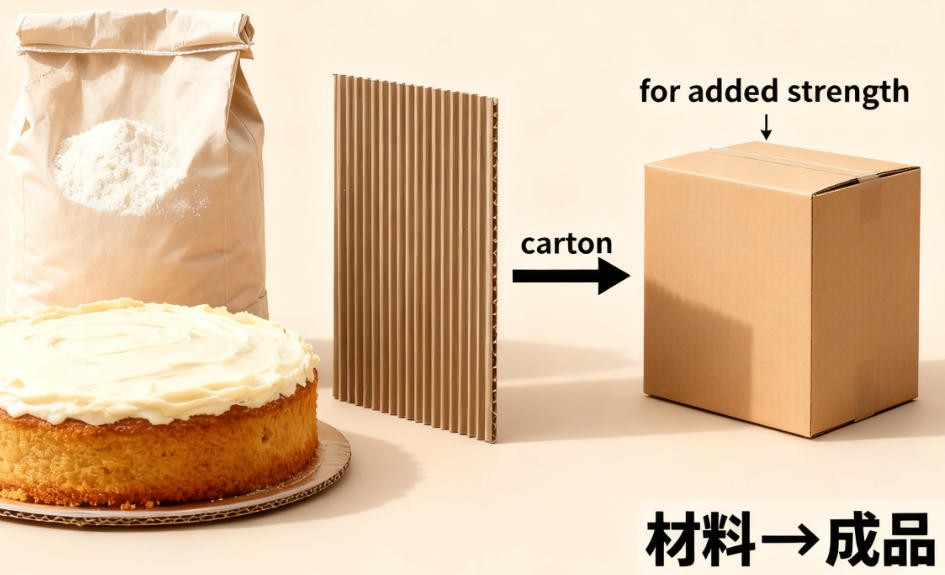
No, they are not the same. Cardboard is the material, a heavy-duty paper. A carton is the finished product, a box or container. Think of it like flour and a cake.

Cardboard: The Raw Material
Cardboard is a general term for a thick, heavy-duty paper stock or paper pulp.
Carton: The Finished Product
A carton, on the other hand, is the container that is formed from cardboard.
Corrugated Cartons: The Shipping Standard
For shipping, the best choice is a corrugated carton. These cartons have a wavy, fluted layer of paper between two flat linerboards.
Does a carton have to be cardboard?
Think all cartons are made of simple cardboard? This assumption could be limiting your packaging options and costing you money.
Not necessarily. While many cartons are made from paperboard (a type of cardboard), shipping cartons are typically made from corrugated fiberboard for added strength. The material depends on the carton's purpose.
Paperboard Cartons
These are made from a single layer of paperboard. They are lightweight and best for packaging individual products that will sit on a retail shelf, like a box of tea or cosmetics.
Corrugated Cartons
These are made from corrugated fiberboard, which has the fluted layer for strength.
Material Matters for Function
The material you choose is critical. For lightweight items not intended for shipping, a simple paperboard carton works well. But for anything you ship, a corrugated carton is a must to ensure your products arrive safely. Our machines, like the Semi Auto Polygon Rigid Box Wrapper, are designed to create strong, protective packaging from the right materials.
Are cartons made from cardboard?
Is it just semantics, or is there a real difference? Understanding if cartons are made from cardboard helps you make smarter packaging decisions.
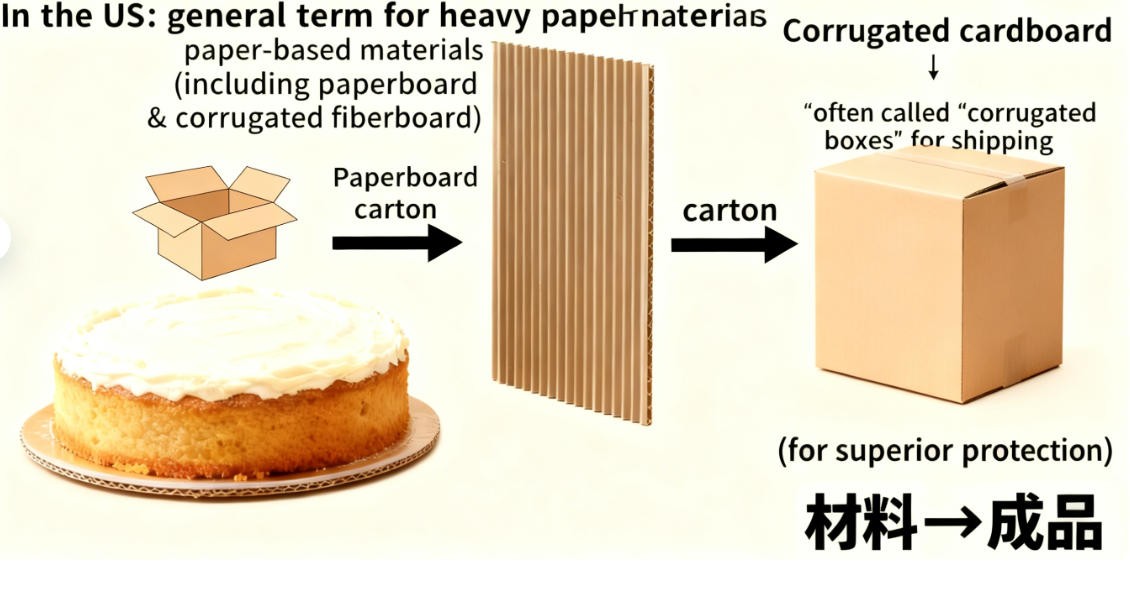
Yes, cartons are made from types of cardboard. "Cardboard" is the umbrella term. Simple folding cartons are made from paperboard, while shipping cartons are made from corrugated cardboard for superior protection.

The Hierarchy of Terms
To put it simply, here is how the terms relate:
- Cardboard: This is the general term for any heavy paper-based material.
5 - Paperboard: This is a type of cardboard made of a single layer. It's used for things like cereal boxes.
2 - Corrugated Fiberboard: This is what shipping boxes are made of, with the signature wavy layer for strength.
1
A carton is a box made from any of these materials. The key takeaway is that "carton" is the object, and "cardboard" is the material.
What do Americans call cardboard?
Doing business in the US? Using the wrong term for your packaging material can cause confusion and supply chain issues.
In the United States, "cardboard" is used as a general term for any heavy paper-based material, including paperboard and corrugated fiberboard. For shipping boxes, they often specify "corrugated boxes."
Common American Usage
In everyday language, Americans use "cardboard" to refer to almost any kind of paper-based box.
Industry Specifics
Professionals in the US packaging industry will say "corrugated" when they mean shipping boxes and "paperboard" or "boxboard" for folding cartons.
Why it Matters for Business
When you are sourcing packaging machinery, being precise is crucial. If you need to produce strong shipping boxes, you should be looking for solutions that handle "corrugated" material. This ensures you get the right equipment for the job. As a global supplier with many clients in the USA, we understand the importance of clear communication and our machines are built to meet international standards.
Conclusion
Choosing between carton and cardboard is about understanding your needs. For product protection and shipping, corrugated cartons are the clear winner. Let's make the right choice together.

发表回复