

How do you efficiently manufacture high-quality jewelry boxes
How do you efficiently manufacture high-quality jewelry boxes?
Struggling with slow jewelry box production? High demand usually means production bottlenecks. You need a solution that scales without sacrificing luxury quality.
The best method for commercial success involves automating the rigid box process. Utilizing an automatic rigid box making machine ensures precision, speed, and consistency. This replaces manual folding with robotic accuracy, perfect for high-volume orders required by luxury brands.

I remember starting Kylin Machine in 2011. We saw many factories struggling with manual labor. It was too slow. The workers were tired. The boxes were not all the same. Today, I want to show you how modern machinery changes the game. Let’s look at the specifics of making boxes the right way.
What is the best way to make a jewelry box?
Glue everywhere and misaligned corners? Manual box making is a nightmare for growing businesses. You need a cleaner, faster process.
The superior method for B2B production is using a robotic spotter and hybrid rigid box machine. This technology automates positioning and wrapping, reducing labor costs while increasing output to thousands of units per day.
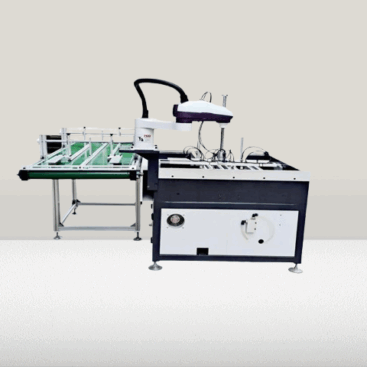
To understand the best way, you must look at the workflow of a successful factory. In the past, workers did everything by hand. Now, we use technology. At Kylin Machine, we know that speed and accuracy are the most important things. The process starts with the paper and the cardboard. You cannot do this efficiently with simple hand tools if you have an order for 10,000 boxes.
You need a system. First, you use a gluing machine to apply jelly glue to the cover paper. Next, the visual positioning system takes over. This is the robotic part. It uses cameras to spot the box on the glued paper. The accuracy is very high, usually within 0.05mm. A human cannot do this all day. Finally, the wrapping unit folds the paper over the box. It creates sharp corners.
Here is a breakdown of the workflow using our machines:
| Production Stage | Manual Method | Kylin Machine Method |
|---|---|---|
| Glue Application | Slow, messy brushes | Automatic, thin, even coat |
| Box Positioning | Visual guessing, errors | Robotic Camera Positioning |
| Wrapping/Folding | Inconsistent pressure | High-pressure mechanical fold |
| Output Speed | 500 boxes/day (team) | 20-30 boxes/minute (machine) |
The best way is clearly automation. It lowers your waste. It makes every box look identical. This is what big brands want.
Are handmade jewelry boxes worth it?
Are you losing profit margins on labor costs? Handmade boxes sound romantic but often kill the bottom line for mass manufacturing.
For mass retail, completely handmade boxes are rarely worth the time investment. While they offer unique charm, automated packaging solutions provide the uniformity and volume necessary for global brands, significantly lowering the unit cost compared to artisanal methods.
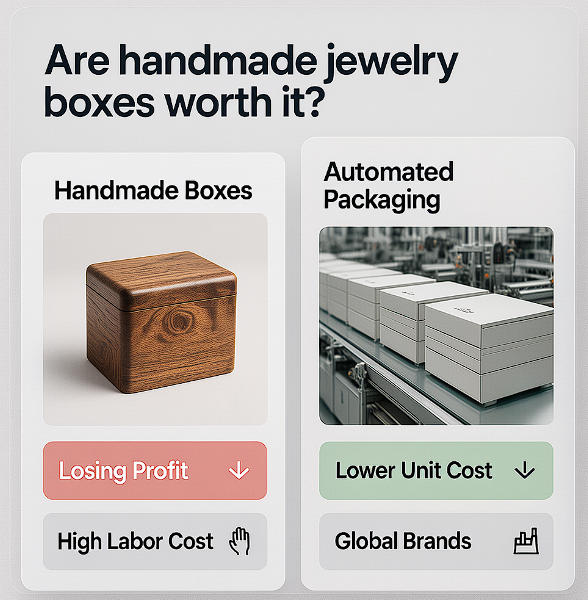
We need to think critically about "value." In the jewelry market, the box protects the product. It also sells the brand. If you make one box for a gift, handmade is fine. But my customers are businesses. They sell thousands of items. For them, "handmade" means "expensive" and "slow."
Let's look at the math. A worker takes 10 minutes to make a perfect box. A rigid box machine takes a few seconds. If you pay for labor, the handmade box costs too much. Also, human error is a problem. If a worker is tired, the glue smears. The corner rips. This waste costs you money.
However, there is a middle ground. We call it "semi-auto." You can use machines for the hard parts. You use a corner pasting machine to build the box structure. Then, you might use manual labor for very complex inserts. But for the main box, automation is the only way to scale.
Consider these factors when deciding on value:
- Scalability: Can you fulfill a rush order of 5,000 units? Machines can.
- Consistency: Will the 1st box match the 1000th box? Only with machines.
- Cost: Machine production drops the per-unit cost drastically over time.
Handmade is worth it for art. It is not worth it for industrial packaging supply chains.
What is the best wood to make a jewelry box?
Is solid wood too heavy and expensive for shipping? Choosing the wrong core material destroys your shipping budget and production speed.
In the packaging industry, the "best wood" is actually high-density greyboard or MDF. These materials provide the structural integrity of wood but are perfectly suited for automatic grooving machines and rigid box wrapping, ensuring a flawless finish.
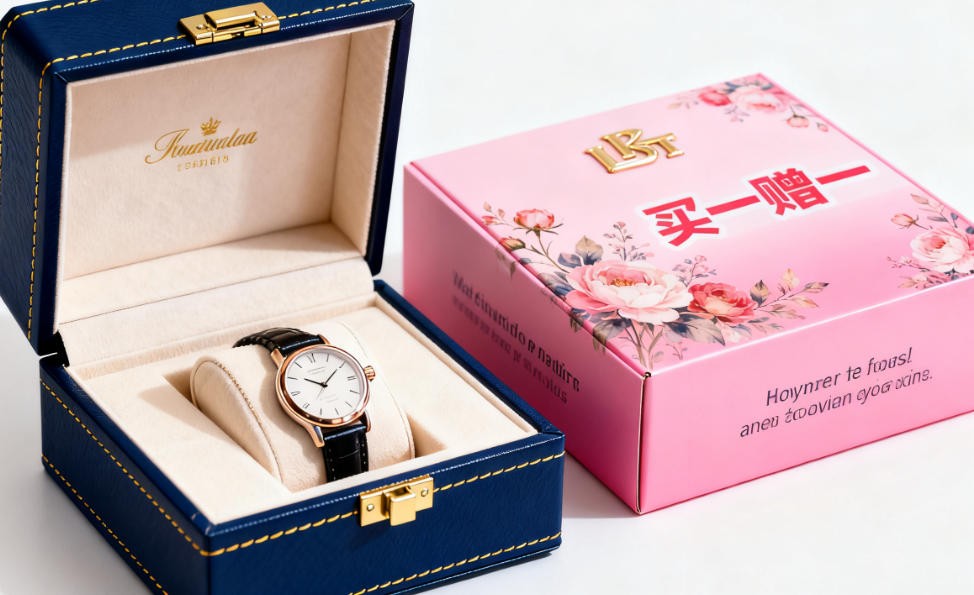
Real solid wood is beautiful. But it is heavy. It warps with humidity. It is hard to cut quickly. In the rigid box industry, we simulate the feel of wood. We use high-quality greyboard or MDF (Medium Density Fiberboard). This material is stable. It is flat. It is perfect for our machines.
The secret to making it look like a solid block is the "V-groove." You need a V grooving machine. This machine cuts a V-shape into the board. When you fold the board, the corners are sharp. They are 90 degrees. It looks like a solid block of wood. But it is lighter. It is cheaper.
You then cover this board with paper. The paper can look like wood grain. It can feel like leather. It can look like metal. The core material—the greyboard—is the most important part.
Here is why we prefer greyboard/MDF over solid timber:
- Uniformity: Every sheet is the same thickness. This is vital for the case making machine.
- Cost: It is a fraction of the price of oak or mahogany.
- Sustainability: It is often made from recycled fibers.
- Processability: It does not splinter or crack during the automated folding process.
So, the best wood is actually engineered board designed for packaging machinery.
What is the best material to line a jewelry box with?
Does your interior lining look cheap or peel off? The wrong fabric ruins the unboxing experience and damages the jewelry inside.
Velvet, satin, and flocking cloth are top choices. However, for automated production, you need materials compatible with box wrapping machines. Die-cut foam inserts covered in velvet offer the best protection and are easily inserted during the assembly process.
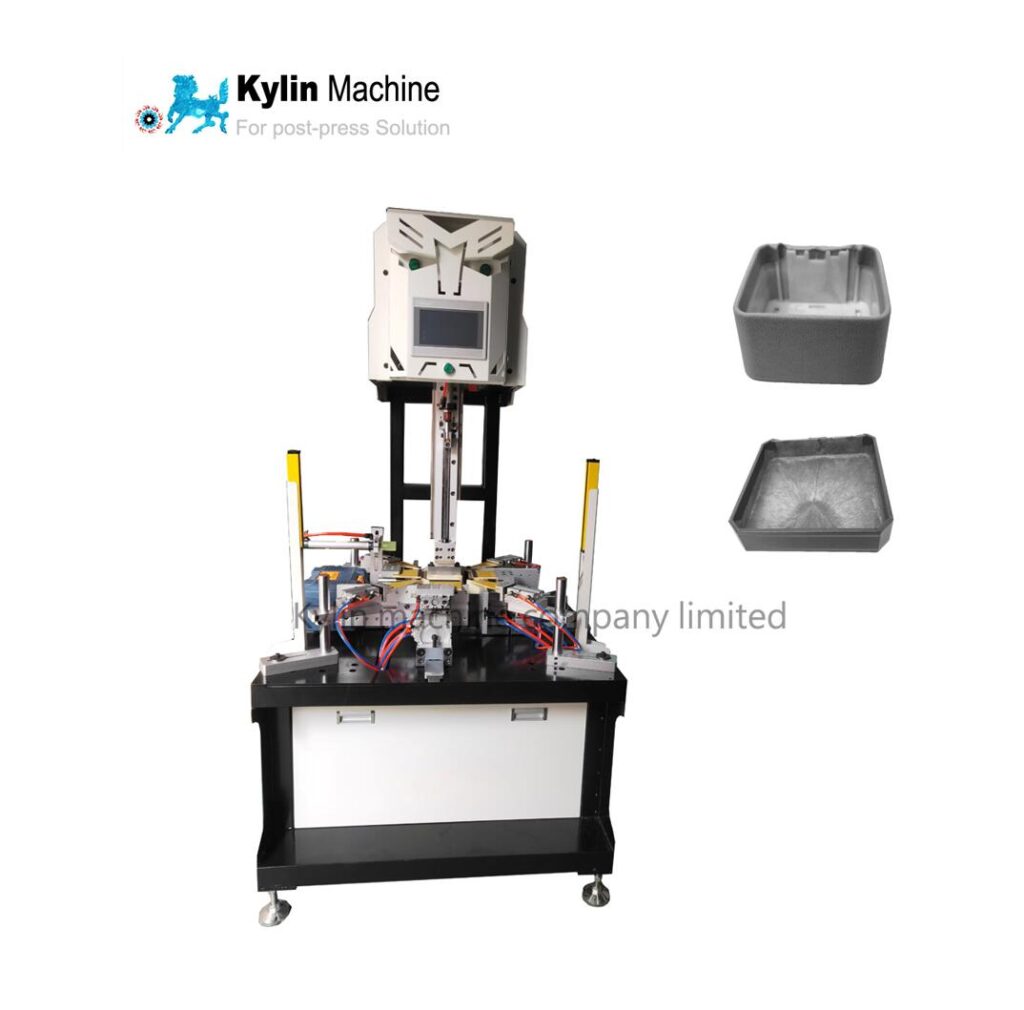
The inside of the box touches the jewelry. It must be soft. It must look expensive. But from a manufacturing view, it must be easy to handle. Loose fabric is hard to glue by machine. It wrinkles. It stretches.
At Kylin Machine, we recommend EVA foam or sponge with a flocked surface. This is a "pre-made" insert. You cut the foam to the shape of the ring or necklace. You laminate the velvet on top. Then, you drop this entire piece into the finished rigid box.
This method is fast. It looks very clean. There are no glue marks on the fabric. Some high-end boxes use a "cuff" or a "pillow." These can also be made with specialized packaging machinery.
Let's analyze the material options for B2B production:
- Flocked Paper/Plastic: This is the cheapest. It feels fuzzy. It is easy to glue.
- Satin Cloth: This looks shiny and premium. It is slippery. It requires precise gluing machines to avoid stains.
- Velvet/Suede: The classic choice. It absorbs light. It makes diamonds sparkle. We usually wrap this around a card or foam core.
- Leatherette (PU): Very durable. Easy to clean. Works very well with automatic wrapping machines.
The best material combines luxury feel with machine compatibility. You want the customer to say "wow," and you want your production line to run smooth.
Conclusion
To scale your business, move beyond manual tools. Advanced machinery ensures quality and profit. Contact Kylin Machine to upgrade your production line today.

发表回复