

What are the best eco-friendly jewelry box alternatives?
What are the best eco-friendly jewelry box alternatives?
Are your customers demanding "green" packaging while you are stuck with plastic piles? Ignoring this shift destroys your brand reputation and loses sales. You need sustainable options that still feel expensive.
The best eco-friendly alternatives are rigid boxes made from recycled greyboard and covered in FSC-certified paper. Using an automatic rigid box machine ensures these materials are assembled with non-toxic jelly glue, creating a biodegradable package that offers the same protection and luxury feel as plastic.
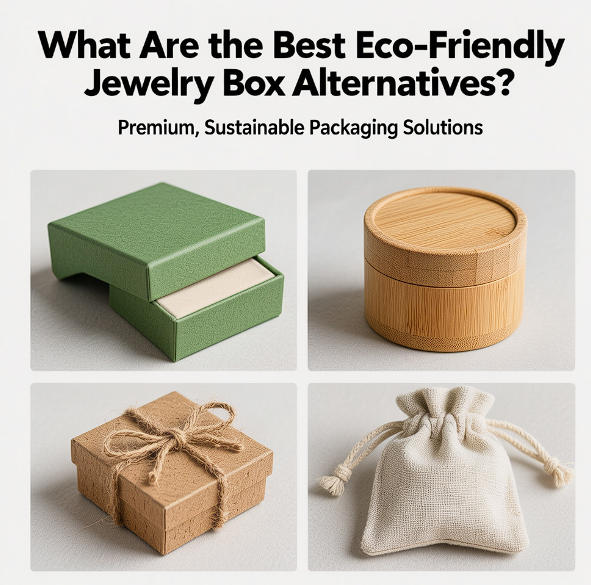
I have been in the packaging industry since 2011. Back then, nobody cared about the environment. We just wanted cheap boxes. Today, my inbox is full of requests for "sustainable" solutions. It is not just a trend. It is the new standard. If you are a manufacturer or a brand owner, you must adapt. Let me share what works best in mass production.
What is the best material for a jewelry box?
Is your packaging flimsy or toxic? Choosing the wrong material ruins the unboxing experience and harms the planet. You need a material that is strong, sustainable, and machine-ready.
The superior material for mass production is high-density greyboard wrapped in art paper. This combination is 100% recyclable and provides the structural integrity needed for automatic box wrapping machines, ensuring a sharp, high-end finish without using plastic molds.

When we talk about materials, we must look at the core and the surface. The core gives the box its strength. In the past, people used plastic trays. Now, the best choice is greyboard. It is made from recycled paper pulp. It is very hard. It protects the jewelry during shipping.
But greyboard is ugly. So, we cover it. We use paper. This is where the magic happens. You can use paper that looks like leather. You can use paper that feels like velvet.
The problem is how to put them together. If you do it by hand, the quality varies. The worker might use too much glue. The paper might bubble. This is waste.
At Kylin Machine, we use a gluing machine that applies a very thin, even layer of glue. We use a V grooving machine to cut a V-shape in the greyboard. This allows the board to fold with sharp 90-degree corners. It looks like a solid block of wood or plastic, but it is just paper.
Here is a comparison of common materials:
| Material | Sustainability | Machine Compatibility | Cost |
|---|---|---|---|
| Plastic/Acrylic | Very Low | High (Molds) | Low (High volume) |
| Solid Wood | Medium | Low (Manual mostly) | Very High |
| Greyboard (Rigid Box) | Very High | Excellent (Rigid box machines) | Medium |
The best material is one that machines can process quickly and nature can break down easily.
How to pack jewelry without a jewelry box?
Are shipping costs eating your profits because of bulky boxes? You want to save space but fear damaging the product. You need a solution that is flat yet protective.
For a box-free alternative, consider high-quality hard covers or collapsible boxes. These are produced on collapsible box machines and ship flat to save carbon emissions, yet pop up into a sturdy container that offers far more protection than a simple pouch.
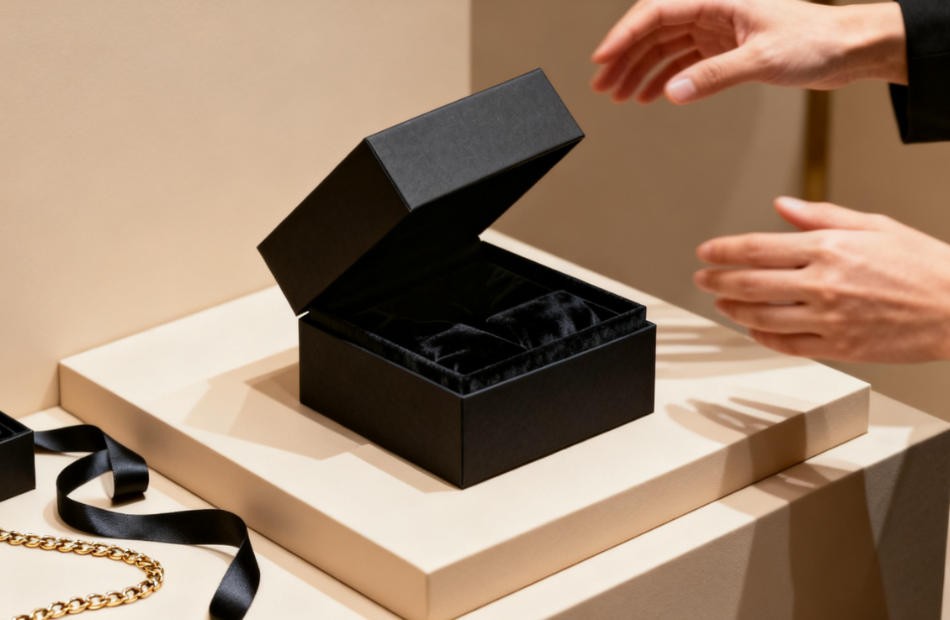
Sometimes, "no box" really means "no air." A standard rigid box takes up a lot of space. If you ship 10,000 empty boxes from China to the USA, you are mostly shipping air. This burns fuel. It is not eco-friendly.
Some brands switch to cloth pouches. I do not recommend this for expensive items. A pouch offers zero protection against crushing. If a heavy package falls on it, the ring bends.
The smart alternative is the "collapsible box." It looks like a luxury rigid box when assembled. But it has a secret. We cut the board in a specific way so it folds flat.
We use specialized collapsible box machines to make these. The machine applies the glue and assembles the "wings" of the box. When you receive the shipment, it is a flat stack. You save 70% on shipping volume.
Another option is a "hard cover" style pack, similar to a book. We use case making machines for this. It is like a hardcover book that holds a necklace inside. It is slim. It fits in a mailbox. It is very popular for subscription boxes.
So, do not just use a bag. Use a flat-shipping structural package. It saves money and saves the planet.
What can we use instead of plastic for packaging?
Does your foam insert look cheap and yellow over time? Plastic inserts are the enemy of the eco-conscious consumer. You need an interior that matches the luxury of the exterior.
Replace plastic or foam inserts with die-cut cardboard or velvet-wrapped cardstock. Using a robotic spotter, you can precisely place these paper-based inserts into the box, creating a completely plastic-free package that holds jewelry securely.
The hardest part to replace is the insert. The insert holds the ring or the necklace. Usually, this is a piece of foam or a plastic vacuum-formed tray. It is cheap. It works. But it is terrible for the environment.
My customers often ask, "Jacob, how do we hold the ring without foam?" The answer is paper engineering.
We can create a "platform" inside the box using cardstock. We can punch holes for earrings. We can create slots for rings.
The challenge is assembly. A plastic tray drops in easily. A paper platform is delicate. If a worker squeezes it too hard, it bends.
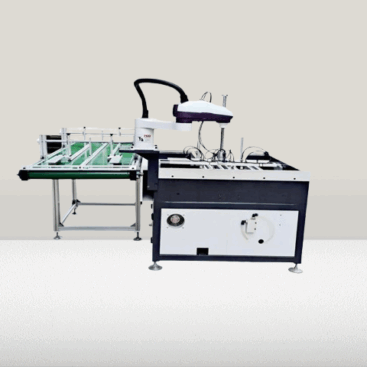
This is why you need automation. Our robotic spotter is perfect for this. It uses a camera to see the box. It picks up the paper insert with vacuum suction. It places it gently inside the box. The accuracy is perfect.
Also, think about the surface finish. Plastic boxes use lamination. This is a thin layer of plastic film. It makes the paper hard to recycle. Instead, use aqueous varnish or UV coating. Or use high-quality dyed paper that needs no coating.
We also see a move towards "pulp trays." These look like egg cartons but smoother. They are 100% biodegradable. Our packaging machinery can easily wrap the outer box that holds these trays.
The goal is to remove every gram of plastic.
How can jewelry be eco-friendly?
Do you claim to be sustainable but run a wasteful factory? Greenwashing will get you caught. You need to look at your manufacturing process, not just the final product.
Jewelry becomes eco-friendly when the production process minimizes waste and energy. Utilizing automatic rigid box machines reduces glue consumption and scrap rates, while switching to animal-based jelly glue eliminates toxic chemicals found in synthetic adhesives.
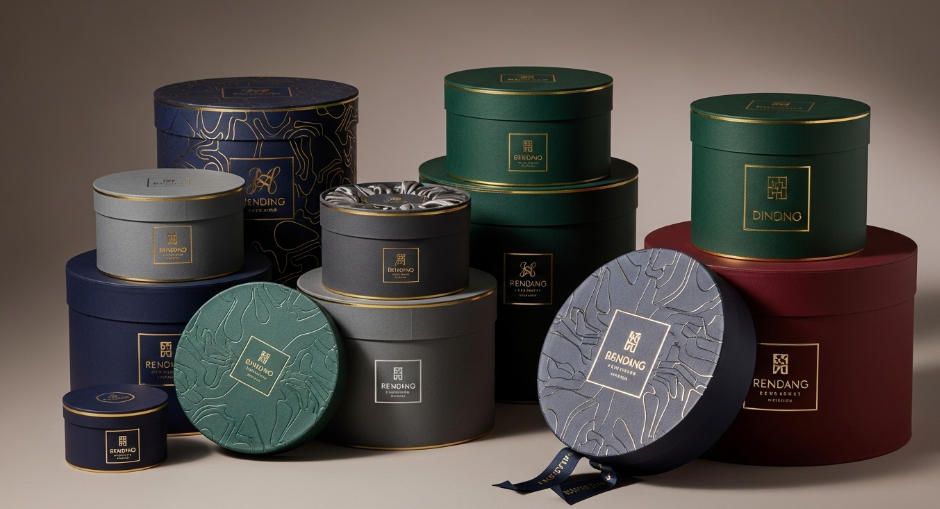
Sustainability is not just about the material. It is about how you make it. I have walked through hundreds of factories. I see the difference between manual workshops and automated lines.
In a manual workshop, there is waste everywhere. Workers spill glue. They misalign the paper. They throw away 10% of the boxes because they are crooked. This waste of resources is not eco-friendly.
Automation fixes this. Our corner pasting machine uses the exact amount of tape needed. No more, no less. Our positioning systems ensure we do not ruin the paper.
Then there is the glue. This is a big topic. Many manual workers use white latex glue. It is synthetic. It takes a long time to dry.
In our machines, we use "hot jelly glue." This is made from animal protein. It is non-toxic. It dissolves in water. It is safe for the environment. Because it is applied hot by a machine, it dries instantly. This saves energy because we do not need huge drying tunnels.
Also, consider the lifespan of the machine. Kylin machines are built to last 10 or 20 years. We do not build disposable equipment. Using durable post-press machines is part of being a responsible manufacturer.
To be truly eco-friendly, you must optimize:
- Material: Recycled greyboard.
- Adhesive: Natural jelly glue.
- Process: Low-waste automation.
- Logistics: Flat-packing designs.
Conclusion
Eco-friendly packaging is the future of the jewelry business. You must switch to rigid paper boxes and efficient automation. Contact Kylin Machine to upgrade your production today.

发表回复