
# Can you use a sewing machine for book binding?
Do you have piles of loose paper waiting to become a book? Hand sewing is slow and hurts your fingers. A sewing machine might be the fast solution you need.
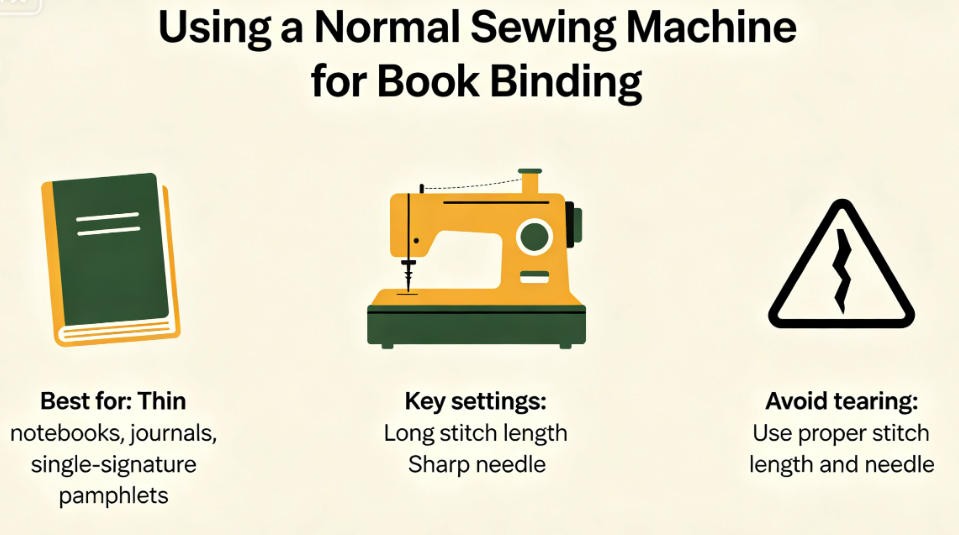
Yes, you can use a normal sewing machine for book binding. It works best for thin notebooks, journals, and single-signature pamphlets. You must use a long stitch length and a sharp needle to avoid tearing the paper during the process.
I have spent over twenty years in the packaging and printing industry. At Kylin Machine, we build big machines for factories. But I know many of my customers started small in their own homes. I want to help you understand how to use what you have. If you want to grow your business, you need to know the basics first. Reading this will help you decide if a home machine is enough or if you need professional gear.
Can you bookbind with a sewing machine?
Are you tired of spending hours on one single book? Professional binding machines are expensive for beginners. I will show you how to use a standard sewing machine to speed up your work.
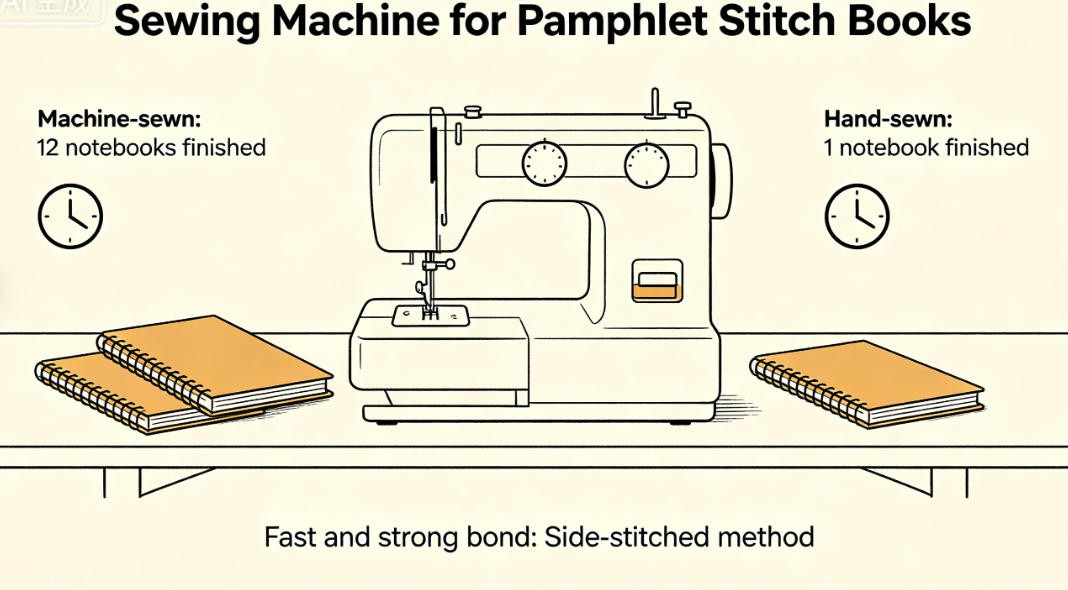
Sewing machines are excellent for creating "pamphlet stitch" or "side-stitched" books. This method is very fast and creates a strong bond. You can finish a dozen notebooks in the time it takes to hand-sew just one.
Dive deeper into machine binding techniques
I often see people ruin their first project because they treat paper like fabric. Paper does not stretch. If you put too many holes in a line, the paper will tear like a postage stamp. You must set your stitch length to the longest possible setting. This keeps the holes far apart and keeps the paper strong. I recommend using a size 14 or 16 sharp needle. These needles cut through the paper layers without getting stuck.
I also suggest using a "walking foot" if your machine has one. This tool helps move the thick stack of paper through the machine evenly. If you do not have one, you can use a piece of tissue paper on top of your project. This prevents the metal foot from scratching your beautiful cover. I have found that this simple trick saves a lot of money on wasted materials.
| Feature | Home Sewing Machine | Industrial Binding Machine |
|---|---|---|
| Speed | Fast for small batches | Extremely fast for bulk |
| Paper Thickness | Up to 3mm | No limit with right model |
| Ease of Use | Very easy | Requires training |
| Initial Cost | Low | High investment |
If you find that your business is growing too fast for a home machine, you should look at our Auto Double wire binding machine. It handles much larger volumes with perfect precision every single time.
How to bind a book without binding machine?
Do you want to make a book but have zero special equipment? You might feel like you cannot start without a big factory. I started Kylin Machinery in 2003 with simple ideas, and you can start small too.
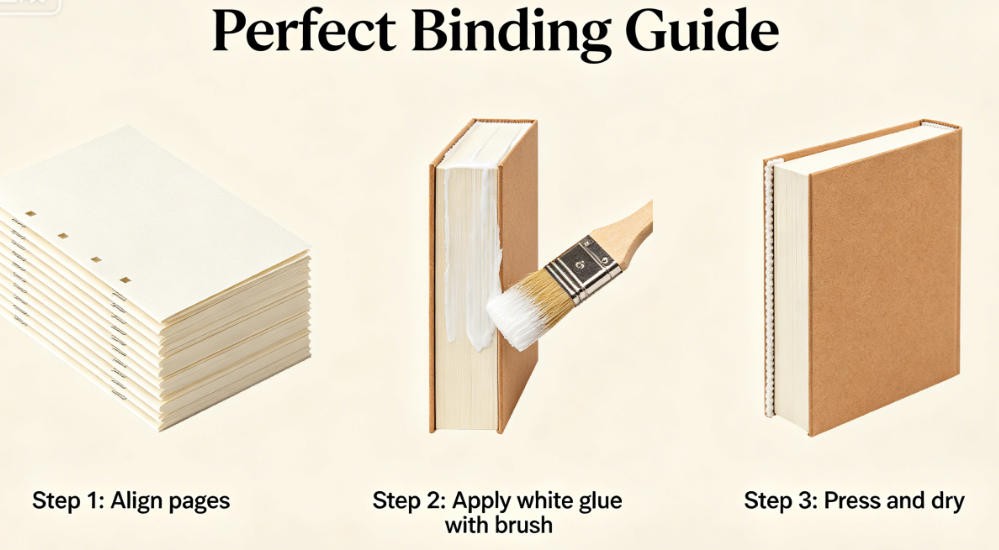
You can bind a book using "Perfect Binding" with just white glue and a brush. Another great way is the "Saddle Stitch" using a long-reach stapler. These methods are cheap and require very few tools to get started.
Dive deeper into manual binding methods
I always tell my clients that the best way to learn is by doing. Perfect binding is what you see on most softcover books. You stack your pages, clamp them tight, and brush glue on the spine. I use a specific type of flexible glue for this. It prevents the spine from cracking when you open the book. You can use simple wood glue, but it might be too stiff.
Another method I love is the Japanese 4-hole binding. It looks very artistic and only needs a needle, thread, and an awl to poke holes. This is perfect for photo albums or journals. If you are making hard covers, you will need a way to wrap the paper around the greyboard. While you can do this by hand, it takes a lot of time to get the corners right.
Why professional tools matter eventually
Manual work is great for hobbies. But when you have a big order, your hands will get tired. We designed the Ky-380 Hard Cover Making Machine to solve this problem. It handles the gluing and folding automatically. This ensures every book looks exactly the same.
| Method | Tools Needed | Best For |
|---|---|---|
| Perfect Binding | Glue, Clamps, Brush | Softcover books |
| Saddle Stitch | Long stapler | Thin magazines |
| Japanese Binding | Needle, Thread, Awl | Art journals |
Can I embroider with a normal sewing machine?
Do your book covers look plain and boring? You want to offer something special to your customers. Adding a custom design with thread can make your books look like luxury items.
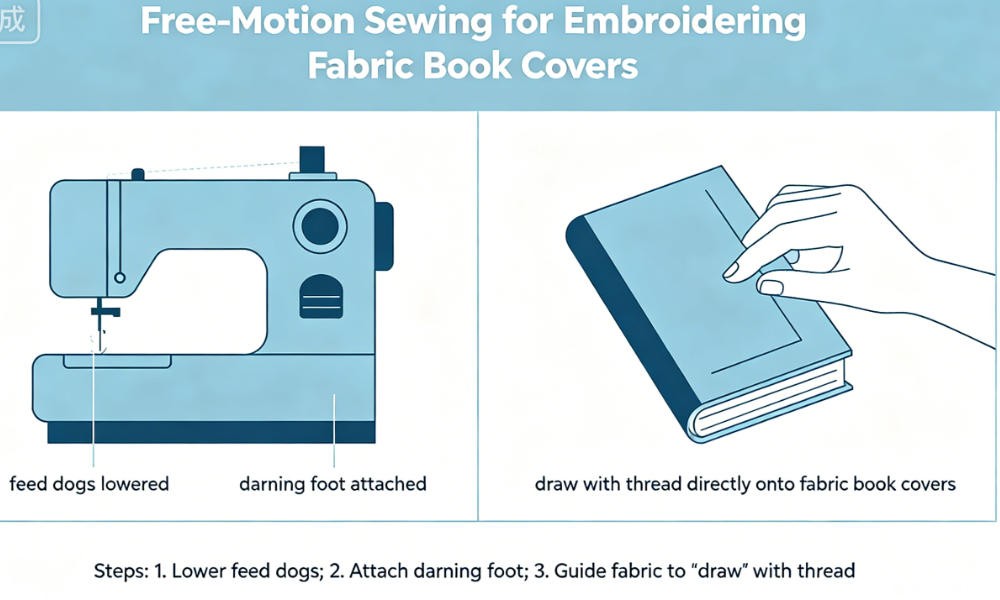
Yes, you can embroider with a normal machine by using "free-motion" sewing. You just need to lower the feed dogs and use a darning foot. This allows you to "draw" with thread directly onto your fabric book covers.
Dive deeper into cover decoration
I have seen many high-end gift boxes and books use embroidery to stand out. Before you glue your fabric to the board, you should do your sewing. I always use a stabilizer on the back of the fabric. This prevents the fabric from bunching up while you sew. You can use a tear-away or wash-away stabilizer depending on your fabric type.
I think using metallic threads adds a very nice touch. It makes the book look like it came from a royal library. You should also consider using different fabrics like linen or silk. These materials take embroidery very well. If you are making drawer boxes for jewelry, an embroidered ribbon is a great detail.
I also want to mention our Drawer box ribbon machine. It is a very practical tool for pasting the ribbon on the drawer box. It helps you save time and effort. It makes the drawer box look more beautiful. This machine is suitable for wine boxes, jewelry boxes, and luxury boxes. You can see our full list of Small machines here.
| Decoration | Difficulty | Effect |
|---|---|---|
| Standard Stitch | Easy | Simple borders |
| Free-Motion | Medium | Custom drawings |
| Metallic Thread | Hard | Luxury feel |
Can I use regular sewing thread for book binding?
Is your book falling apart after just a few weeks? You might be using the wrong thread for the job. Choosing the right material is the difference between a toy and a professional product.
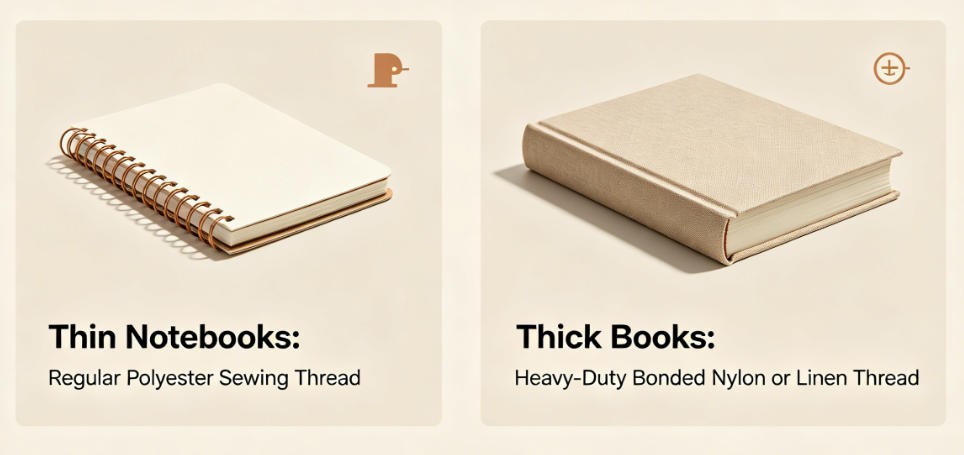
You can use regular polyester sewing thread for very thin notebooks. But for thicker books, it is too thin and will cut through the paper. You should use heavy-duty bonded nylon or linen thread for better results.
Dive deeper into thread choices
I have learned that the thread is the backbone of any book. Regular thread is designed for fabric which is soft. Paper is hard and abrasive. It will wear down cheap thread quickly. I recommend using "archival quality" thread. This means it is acid-free and will not rot over time. If you use cotton thread, make sure it is waxed. The wax helps the thread glide through the paper and prevents tangles.
For the machines we sell at Kylin Machinery, we always specify the exact thread or wire needed. For example, our wire binding machines need specific gauges to work perfectly. If you use the wrong material, the machine might jam. I have seen many people try to save money on thread only to lose money on broken machines.
| Thread Type | Material | Best Use |
|---|---|---|
| All-purpose | Polyester | Very thin paper |
| Bonded Nylon | Synthetic | Thick journals |
| Linen Thread | Natural | Historical binding |
If you are serious about your printing business, you need reliable equipment. Please check our machine list to see how we can help you grow. We serve over 10,000 users worldwide and we would love to help you too. Please leave your contact information on our website so we can send you a catalog.
Conclusion
You can use a sewing machine for binding thin books successfully. Always use long stitches and the right thread. For larger projects, professional machines are the best way to grow.

发表回复