

How to choose the right box taping machine?
Struggling with inconsistent box sealing? Wasting time and money on poorly taped boxes? Finding the right box taping machine can be a game-changer for your packaging line.
The best box taping machine for you depends on your box size, the type of tape you use, and your production volume. For most businesses, an automatic corner taping machine offers the best balance of speed, reliability, and ease of use.
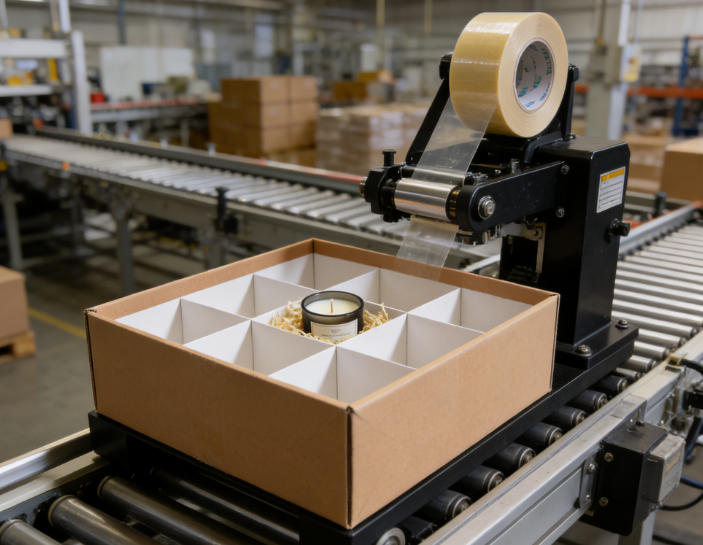
Choosing the right equipment is crucial for your business's success. A box taping machine that doesn't fit your needs can lead to production bottlenecks and damaged products. Let's explore how to make the best choice for your specific situation.
How to choose the right box size?
Are your boxes getting damaged during shipping? Choosing the wrong box size can lead to crushed corners and unhappy customers. Let's find the perfect fit for your products.
The right box size is snug but not tight. You should have just enough space for your product and any necessary padding. A box that is too large will allow the contents to shift, while a box that is too small offers no protection.
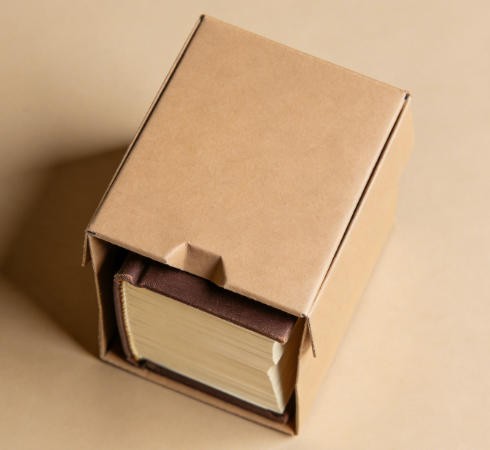
To find the right box size, start by measuring your product's length, width, and height. Add about two inches to each dimension to allow for cushioning materials like bubble wrap or packing peanuts. This extra space is your buffer against damage. I remember one time we shipped a custom order of delicate glass awards. We used boxes that were just a little too big, and a few of them arrived shattered. It was a costly mistake, but it taught me the importance of a snug fit. Consider the weight of your product as well. Heavier items require stronger, double-walled cardboard boxes. For fragile items, consider using custom inserts to hold them securely in place. It's a small extra step that can save you a lot of money in the long run by preventing returns and replacements.
Sizing and Cushioning Guide
| Product Type | Recommended Box Size | Cushioning Material |
|---|---|---|
| Books & Documents | Snug fit with minimal extra space | Bubble wrap or paper |
| Consumer Electronics | 2 inches of clearance on all sides | Custom foam inserts |
| Apparel & Textiles | Varies, but should not be compressed | Tissue paper or poly bags |
| Fragile Items (Glass, etc.) | 3 inches of clearance on all sides | Packing peanuts and bubble wrap |
What are the different types of sealing machines?
Confused by all the different sealing machines out there? Picking the wrong one can slow down your whole operation. Let's break down the options and find the best one for you.
Sealing machines range from simple manual dispensers to fully automatic systems. The best one for your business depends on your production volume and the level of automation you need.
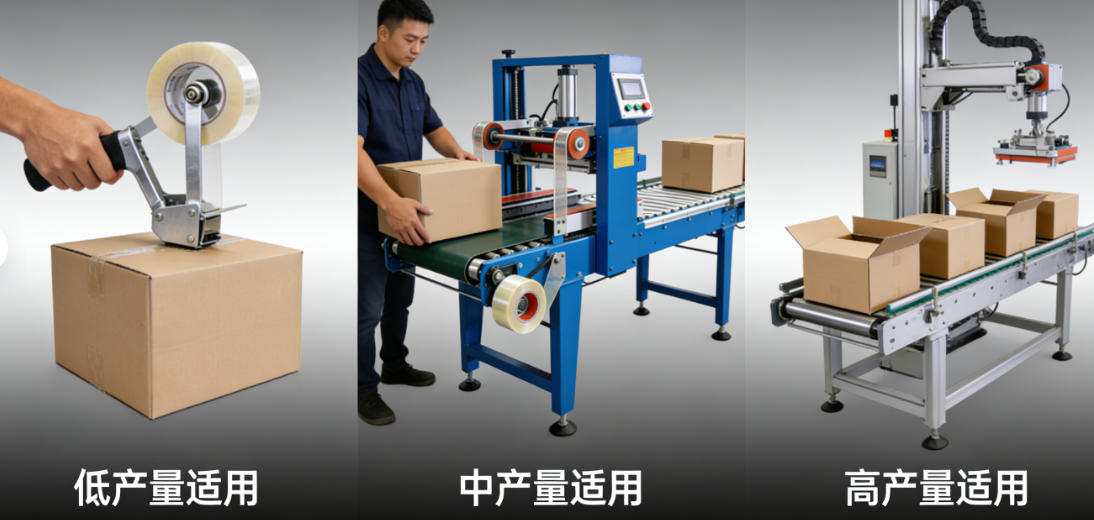
For small businesses just starting out, a handheld tape gun might seem like enough. They are cheap and easy to use. But I've seen many clients struggle with them. They are slow and often lead to wasted tape and boxes that aren't sealed securely. As your business grows, you'll want to upgrade. A semi-automatic machine is a good next step. It requires an operator to feed the box into the machine, which then applies the tape. But for high-volume operations, a fully automatic machine is the way to go. Our Auto Box corner taping machine is a great example. It does everything for you: folds the flaps, applies the tape, and sends the sealed box on its way. It's a bigger investment upfront, but it reduces labor costs and ensures a perfect, professional seal every single time.
Sealing Machine Comparison
| Machine Type | Best For | Key Advantages | Main Drawbacks |
|---|---|---|---|
| Manual Tape Gun | Low-volume, small business | Very inexpensive, portable | Slow, inconsistent seal, operator fatigue |
| Semi-Automatic | Medium-volume operations | Faster than manual, consistent tape application | Requires a dedicated operator, higher cost |
| Fully-Automatic | High-volume production lines | Very fast, highly consistent, reduces labor needs | Higher initial investment, larger footprint |
What is the best tape to seal cardboard boxes?
Is your tape failing to stick? The wrong tape can lead to opened boxes and lost products during transit. Let's find a tape that will keep your packages secure.
The best tape for sealing cardboard boxes is a pressure-sensitive tape with a strong adhesive. Water-activated tape is also a great option for a secure and tamper-evident seal.
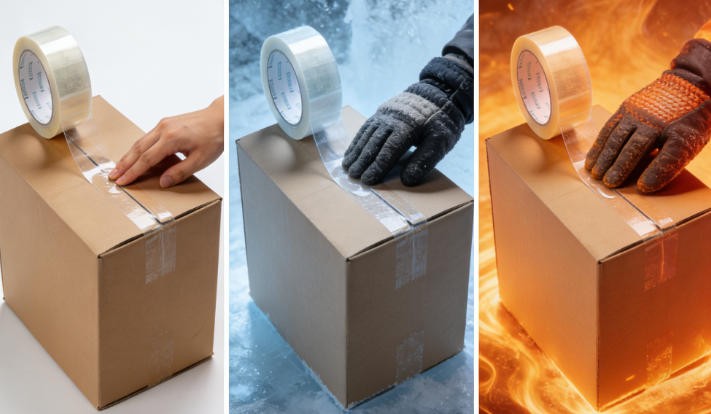
For most general-purpose applications, a high-quality polypropylene tape is a good, cost-effective choice. It's strong, durable, and resistant to tearing. If you're shipping heavier items, you might want to consider a PVC tape, which offers even more strength and adhesion. However, for a truly secure and professional-looking seal, I always recommend water-activated tape (WAT). This tape has a water-based adhesive that actually bonds with the cardboard fibers, creating a very strong and tamper-evident seal. You've probably seen it on packages from major retailers like Amazon. While it requires a special dispenser to wet the tape, the extra security it provides is often worth it, especially if you are shipping high-value items. It gives you peace of mind that your products are safe.
Tape Selection Guide
| Tape Type | Adhesive Type | Key Features & Best For |
|---|---|---|
| Polypropylene (PP) | Pressure-sensitive (Acrylic/Hot Melt) | General purpose, lightweight boxes. Good balance of cost and performance. |
| Polyvinyl Chloride (PVC) | Pressure-sensitive (Natural Rubber) | Heavy-duty shipments, offers more strength and better adhesion in varied temperatures. |
| Water-Activated Tape (WAT) | Water-based | High-security, tamper-evident seal. Creates a permanent bond with the cardboard. |
What are the different types of packaging machines?
Feeling overwhelmed by the variety of packaging machines? Choosing the right one can streamline your entire process. Let's explore the different types and what they do.
Packaging machines can be categorized by their function, such as filling, sealing, wrapping, and labeling. The specific machines you need will depend entirely on your product and packaging requirements.
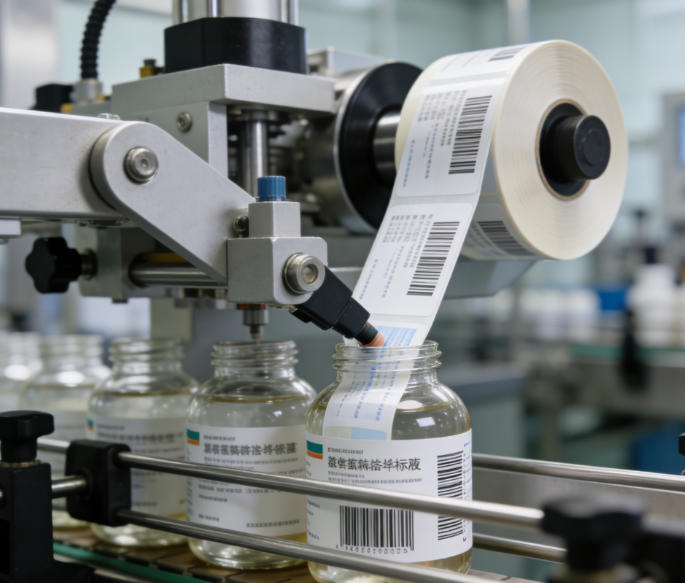
Beyond just taping boxes, there's a whole world of packaging automation that can help your business. If you're selling liquids or powders, you'll need a filling machine. If you're bundling items or wrapping them in plastic, you'll need a shrink-wrap machine. Labeling machines apply your product labels quickly and accurately, which is essential for branding and tracking. At Kylin Machine, we specialize in post-press machines for the graphic arts, paper converting, and bookbindery industries. This means we focus on equipment for creating high-quality finished products. This includes machines for making rigid boxes, book covers, and more. For example, our Fully Auto rigid box machine is perfect for creating the kind of premium packaging you see for smartphones, jewelry, and luxury gifts. It's about creating a great first impression.
Overview of Packaging Machinery
| Machine Category | Primary Function | Common Industries |
|---|---|---|
| Filling Machines | Fills containers with a set amount of product. | Food & Beverage, Cosmetics, Pharmaceutical |
| Sealing & Taping Machines | Seals boxes, bags, and other containers. | E-commerce, Manufacturing, Logistics |
| Wrapping Machines | Wraps products in film (e.g., shrink wrap). | Retail, Food, Consumer Goods |
| Labeling Machines | Applies labels to products or packages. | All industries requiring branding or tracking. |
| Box & Case Making Machines | Creates custom boxes from raw materials. | Luxury Goods, Electronics, Publishing |
Conclusion
Choosing the right box taping machine is a critical decision for your business. By considering your box size, tape type, and production volume, you can find the perfect machine for your needs.

发表回复