

Is there a difference between carton and cardboard?
Confused about whether to call it a carton or cardboard? You're not alone. Many people use these terms interchangeably, but they're not always the same. This can cause problems when you're trying to order the right packaging for your products.
The key difference is that "cardboard" is a general term for heavy-duty paper, while a "carton" is a box made from that material. So, all cartons are made of cardboard, but not all cardboard is a carton. Understanding this helps you choose the right packaging.
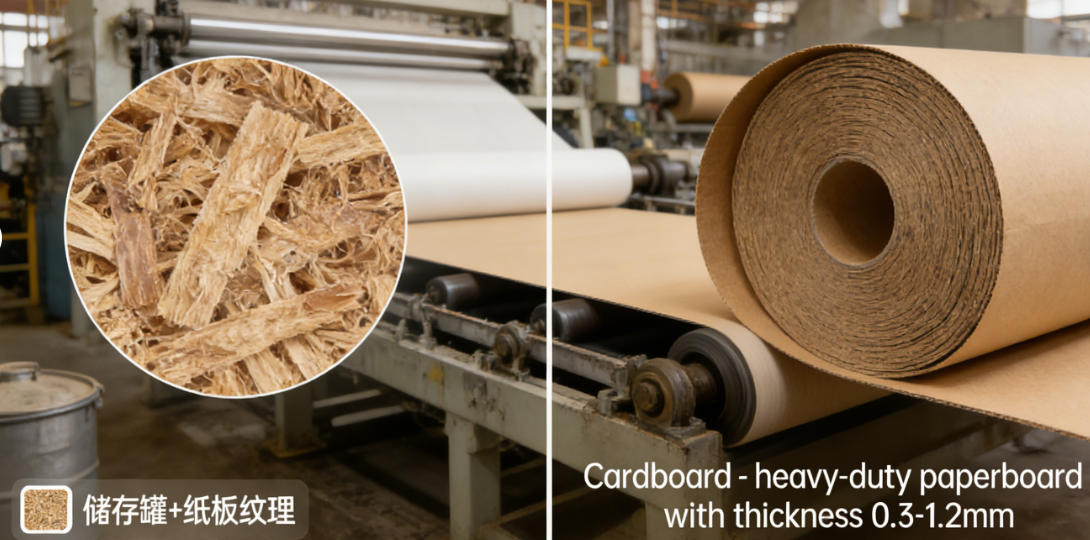
Getting your packaging terms right is a bigger deal than you might think. It’s not just about sounding like you know your stuff. It’s about making sure you get exactly what you need for your business. I’ve seen it happen too many times: someone orders "cardboard boxes" and gets something completely wrong for their product. This can lead to damaged goods, unhappy customers, and a lot of wasted money. Let's break it down so you can avoid these headaches.
Are cardboard and carton the same?
Struggling to tell the difference between cardboard and carton? It's a common mix-up that can lead to ordering the wrong supplies. Getting it wrong means your products might not be protected properly during shipping.
Cardboard is the raw material, a heavy paper pulp. A carton is the finished product, a box made from cardboard. So, while they are related, they are not the same thing. Knowing this difference ensures you get the right packaging for your needs.
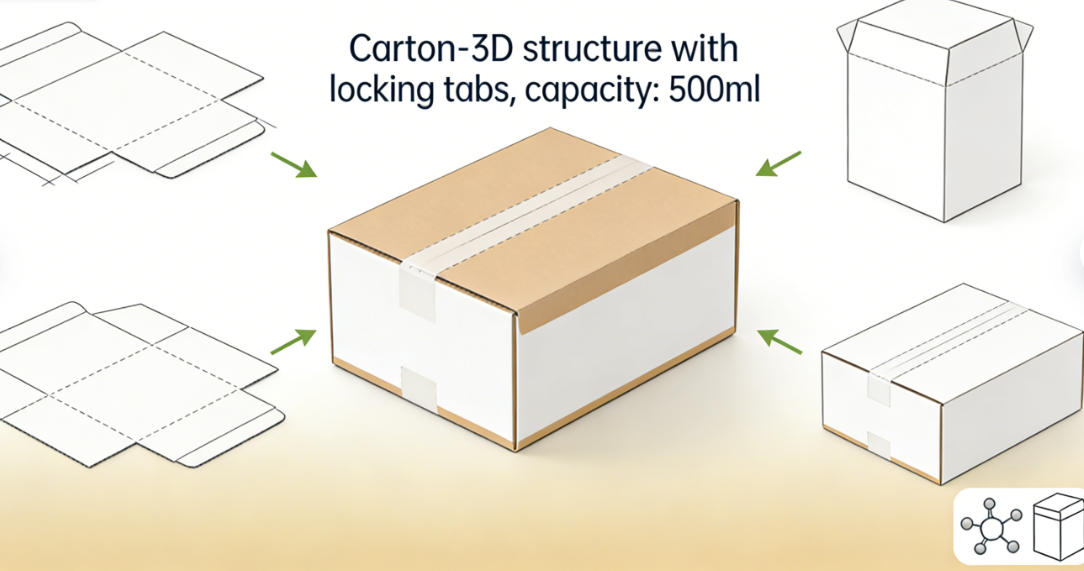
Let's dive a bit deeper. Think of it like this: wood is a raw material, and a table is a finished product made from wood. You wouldn't say you're eating dinner off a piece of wood, would you? You'd say you're eating at a table. It's the same idea with cardboard and cartons. "Cardboard" refers to the material itself. It can come in different thicknesses and strengths. For example, the material we use in our Auto Rigid Boxes Machine is a specific grade of cardboard designed for creating sturdy, high-end boxes.
A "carton," on the other hand, is a specific type of container made from that cardboard. It's been cut, folded, and glued to become a box. So when you're talking about the packaging your cereal comes in, you're talking about a carton. When you're talking about the big brown box that your online order was shipped in, that's also a carton, but a different type.
Material vs. Product
| Term | Definition | Example |
|---|---|---|
| Cardboard | The raw, heavy-duty paper material. | A large, flat sheet of corrugated paper. |
| Carton | The finished box made from cardboard. | A shoebox or a shipping box. |
Understanding this distinction is crucial for my customers in the printing and packaging industry. When they come to me looking for a machine, they need to know what kind of material they'll be working with and what kind of product they want to create.
Does a carton have to be cardboard?
Ever wondered if every box you see is made of cardboard? It's easy to assume so, but that can lead to confusion when you're trying to find the right packaging. You might end up with something that isn't right for your product.
While most cartons are made of cardboard, they don't have to be. Cartons can also be made from plastic or other materials. The term "carton" refers to the box itself, not the material it's made from. This is an important distinction for your packaging strategy.
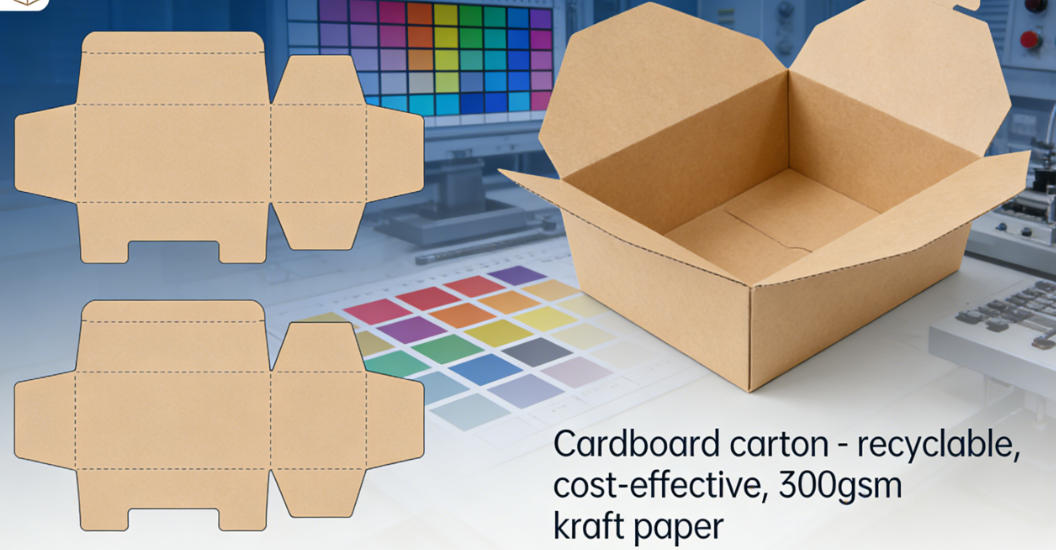
Let's explore this a bit more. The word "carton" really just means a box or container. While in the shipping and packaging world, it's almost always made of some form of paper-based material, that's not a strict rule. Think about an egg carton. Some are made of molded paper pulp (a type of cardboard), but you also see clear plastic ones. Both are called egg cartons. The same goes for milk or juice cartons, which are often made of a composite material that includes paperboard, plastic, and aluminum foil.
For my clients, this is a key point. The machines I provide, like the Semi Auto Polygon Rigid Box Wrapper, are designed to work with specific materials, primarily different types of cardboard and paperboard. When a customer comes to me, we have to talk about the exact material they plan to use. This ensures that the machine is calibrated correctly and will produce the high-quality boxes they expect.
Common Carton Materials
| Material | Common Use | Machine Compatibility |
|---|---|---|
| Corrugated Cardboard | Shipping boxes, large containers | Works well with our Connected box machine. |
| Paperboard | Cereal boxes, cosmetic packaging | Ideal for creating high-end rigid boxes. |
| Plastic | Egg cartons, some food containers | Not compatible with our paper-based machinery. |
| Composite | Milk and juice cartons | Requires specialized machinery. |
So, while you'll mostly see cardboard cartons in my line of work, it's good to remember that the term is broader. It helps you think more clearly about what you need and what you're asking for.
What are the three types of boxes?
Feeling overwhelmed by all the different types of boxes out there? It's easy to get lost in the jargon, and that can make it hard to choose the right packaging. You might end up with a box that's too weak or too expensive.
There are three main types of boxes: rigid boxes, folding cartons, and corrugated boxes. Each has its own purpose and benefits. Understanding these types will help you make a better choice for your products and your budget.
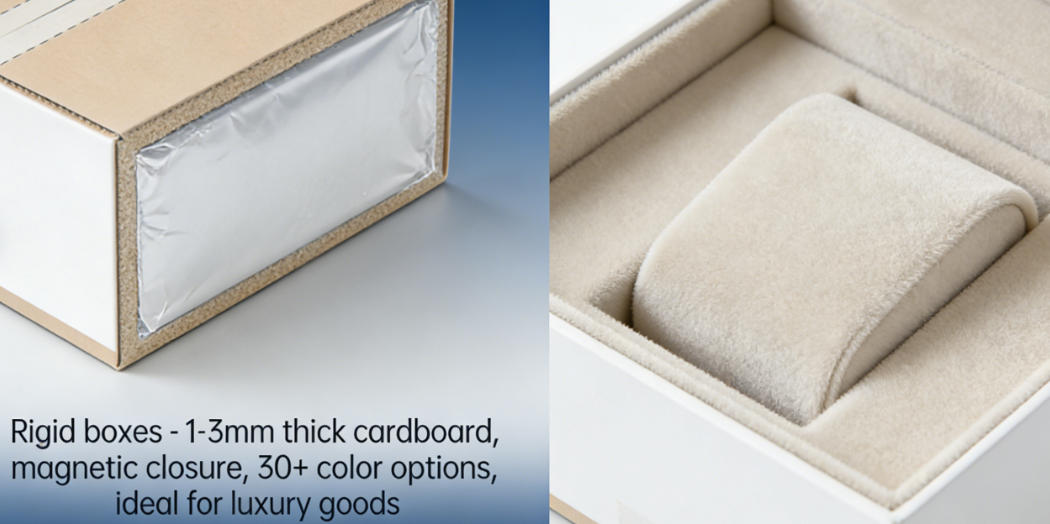
Let's break down these three categories. It's something I discuss with my customers every day. The type of box they want to produce determines which of my machines is the right fit for them.
First, you have rigid boxes. These are the kind of boxes you get with luxury products, like high-end electronics or expensive shoes. They're made from thick paperboard and are very sturdy. They don't fold flat, which is why they're called "rigid." They have a premium feel and offer great protection. Our Ky-380 Hard Cover Making Machine is perfect for creating these types of high-quality boxes and book covers.
Next are folding cartons. These are the boxes you see every day on store shelves. Think of a cereal box or a box of toothpaste. They're made from a single layer of paperboard and are shipped flat to save space. Then, they're assembled when they're ready to be filled. They're less expensive than rigid boxes and are great for retail packaging.
Finally, there are corrugated boxes. These are your classic shipping boxes. They're made with a wavy layer of cardboard (the "flute") sandwiched between two flat layers. This design makes them very strong and lightweight, perfect for protecting goods during transit.
Box Types at a Glance
| Box Type | Key Features | Best For |
|---|---|---|
| Rigid Box | Sturdy, premium feel, doesn't fold flat. | Luxury products, gifts, high-end electronics. |
| Folding Carton | Folds flat, lightweight, inexpensive. | Retail products, food, cosmetics. |
| Corrugated Box | Strong, lightweight, great for shipping. | E-commerce, moving, general shipping. |
When a client comes to me, we figure out which of these boxes they need to make. That tells us which machine from my factory is the right tool for the job.
What do Americans call cardboard?
Ever been in a conversation with an American about packaging and felt like you were speaking different languages? It happens. The words we use for everyday things can vary, and that can cause confusion, especially in business.
In the United States, "cardboard" is the common term for what many others call corrugated fiberboard. It's the stuff used for shipping boxes. The term is used pretty broadly to cover a range of paper-based packaging materials.
This is one of those little language quirks that can have a big impact. In my business, I deal with customers from all over the world, including the USA. I've learned that being precise with my language is key to avoiding misunderstandings. When an American customer says they need a machine for "cardboard boxes," I know they're most likely talking about corrugated boxes used for shipping.
However, I always make sure to clarify. I'll ask them about the specific type of box they want to make. Is it a shipping box? Is it a retail box for a product? Is it a high-end rigid box for a luxury item? These questions help me pinpoint their exact needs. For example, if they want to make sturdy shipping boxes, I might recommend a machine that handles corrugated material well. If they want to create beautiful, high-end packaging, we'll look at machines designed for rigid boxes.
American vs. British English
| American English | British English | Common Meaning |
|---|---|---|
| Cardboard | Cardboard, Corrugated | Often refers to corrugated shipping boxes. |
| Carton | Carton, Packet | A smaller box, like for milk or cigarettes. |
| Box | Box | A general term for any kind of container. |
It's a small detail, but in the world of international business, small details matter. It's part of why I make sure to have clear conversations with all my clients. We look at samples, we talk about the specific materials, and we make sure we're all on the same page before we move forward. It’s how I ensure that every customer gets the right machine for their needs, no matter what they call "cardboard."
Conclusion
Understanding the difference between carton and cardboard is key to making smart packaging choices. It helps you communicate your needs clearly and get the right products for your business.
If you're looking to create your own high-quality packaging, I can help. At Kylin Machine, we have the machines and the expertise to get you started. Contact us today to learn more and get a quote.

发表回复