
What paper is used to print books? Where can I buy it?
Struggling to choose the right paper for your book? The wrong choice can ruin the reader's experience and make your project look unprofessional. This guide will help you select the perfect paper.
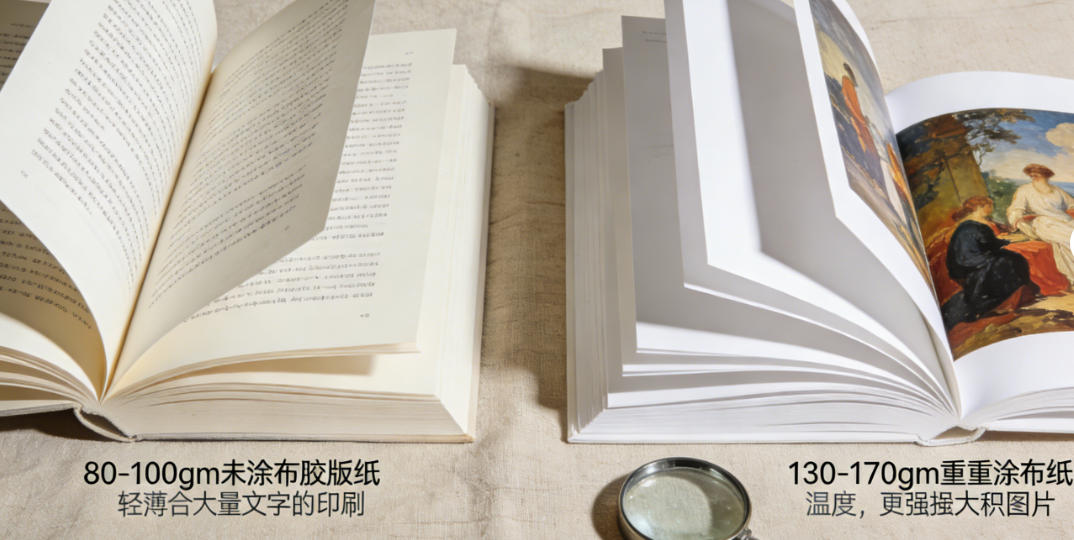
The best paper for your book depends on its content. For text-heavy books like novels, uncoated offset paper (around 80-100 gsm) is standard. For books with images, like cookbooks or photo books, a heavier coated paper (130-170 gsm) is used to make the colors pop.
Choosing the right paper is a critical step in the book production process. It affects not just the look, but also the feel and durability of the final product. To make the best choice, you need to understand the different options available. Let's dive deeper into the world of book paper.
What type of paper is used for printing books?
Feeling overwhelmed by all the paper options out there? Picking one without understanding its properties can affect everything from readability to the perceived value of your book. Let's simplify the main choices you'll encounter.
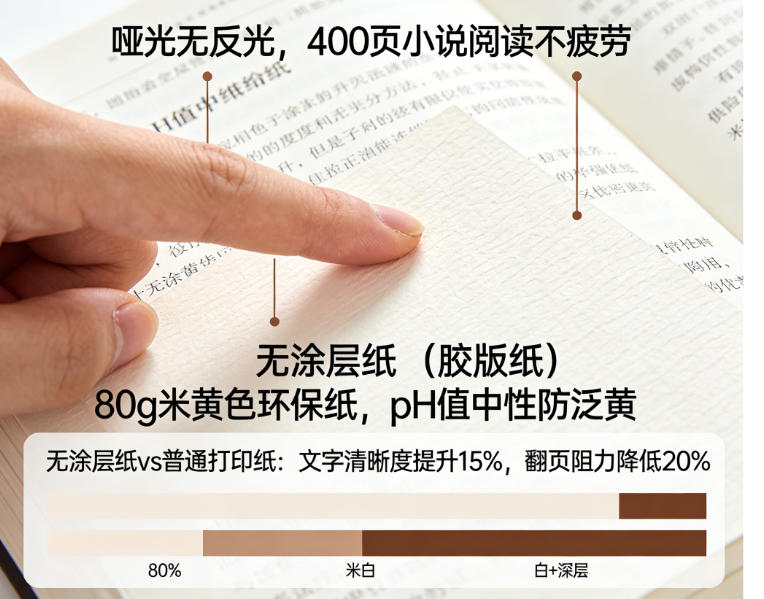
The two primary categories are uncoated and coated paper. Uncoated paper, often called offset, is perfect for novels and text-heavy books due to its non-reflective, tactile feel. Coated paper, with a silk or gloss finish, is ideal for art books and photo books where image quality is paramount.
The distinction between coated and uncoated stock is the most important factor to understand. Each type serves a different purpose and gives your book a unique character. The machinery used in production must be able to handle these different paper types flawlessly to create a professional product. For instance, our Ky-380 Hard Cover Making Machine is designed to work with the thick, coated paper often used for durable, high-quality book covers.
Uncoated Paper
This is the most common type of paper found on the inside of trade paperbacks and many hardcovers. It doesn't have a coating, which makes it more absorbent and gives it a slightly rough, natural texture. It's excellent for reading because it doesn't produce glare. It comes in different shades, typically bright white or a softer cream/natural color, which is easier on the eyes for long reading sessions.
Coated Paper
Coated paper has a sealant applied to its surface, which can be either matte, silk (a low-gloss satin finish), or gloss. This coating prevents ink from soaking into the paper fibers. As a result, images and text appear sharper and more vibrant. This makes it the go-to choice for anything with high-quality photographs or illustrations, like coffee table books, art books, and children's books.
| Feature | Uncoated Paper | Coated Paper |
|---|---|---|
| Finish | Matte, slightly textured | Gloss, Silk, or Matte |
| Best For | Novels, journals, workbooks | Photo books, art books, magazines |
| Feel | Natural, absorbent | Smooth, slick |
| Glare | Low | High (Gloss) or Low (Silk/Matte) |
What paper should I use to print a book?
You know the types, but how do you decide which one is right for your specific book? A mismatch between your book's genre and its paper can be jarring for the reader and cheapen the final product. Let's match the paper to your project.
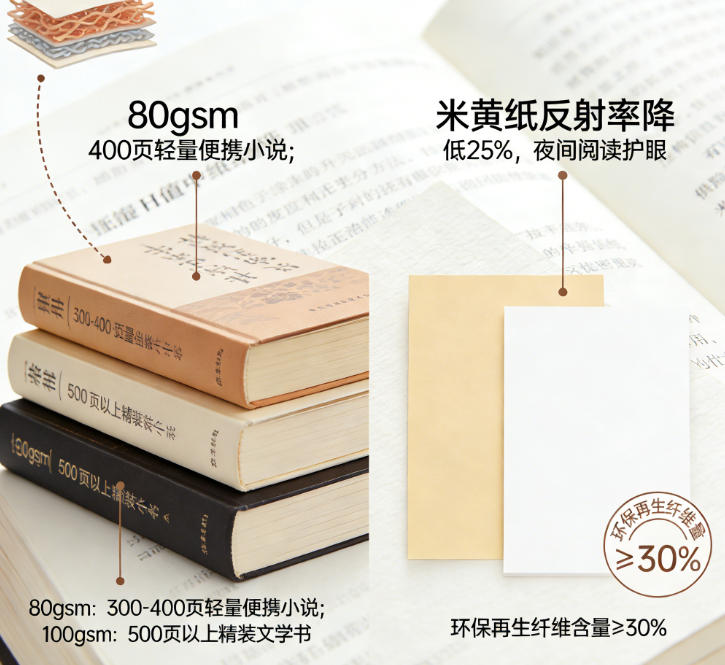
For novels, use an 80-100 gsm uncoated cream paper. For non-fiction or books with some charts, a 100-120 gsm white offset paper works well. For photo books, children's books, or art books, choose a heavier 130-170 gsm coated silk or gloss paper for best results.
The weight of the paper, measured in grams per square meter (gsm), is just as important as the type. A higher gsm means a thicker, more opaque, and more durable page. After selecting your paper, the pages need to be bound together perfectly. An efficient binding process is essential, and a machine like our Auto Double wire binding machine ensures a clean and durable finish for workbooks and notebooks.
For Novels and Text-Heavy Books
The goal here is readability. You want a paper that is easy on the eyes. An uncoated, off-white or cream paper of about 80-100 gsm is the industry standard. The cream color reduces eye strain during long reading sessions. The paper is thick enough to prevent most ink from showing through from the other side, but light enough to keep the book from being too heavy.
For Illustrated and Photo Books
Here, image reproduction is key. You need a paper that will make your colors look rich and your details sharp. A coated paper is a must. A silk or matte finish is often preferred over high gloss to reduce glare, but gloss can make colors pop even more. The weight should be significantly heavier, typically between 130 gsm and 170 gsm, to support the heavy ink coverage and give the book a premium feel.
For Workbooks and Manuals
For these types of books, you need a paper that people can write on. An uncoated white offset paper, around 100-120 gsm, is a great choice. It's smooth enough for writing but doesn't cause ink to smudge like a coated paper would. The higher weight makes it more durable for frequent use.
Are books usually A4 or A5?
Choosing a size for your book is another major decision. Picking a size that feels awkward or is non-standard can increase printing costs and make the book uncomfortable for readers to hold. Let's look at what's common.
Most trade paperbacks are not A4 or A5, but are sized closely to A5. Common US trade sizes are 5.5 x 8.5 inches or 6 x 9 inches. A5 is a popular size in Europe. A4 is generally too large for a novel and is reserved for textbooks, workbooks, or large-format art books.
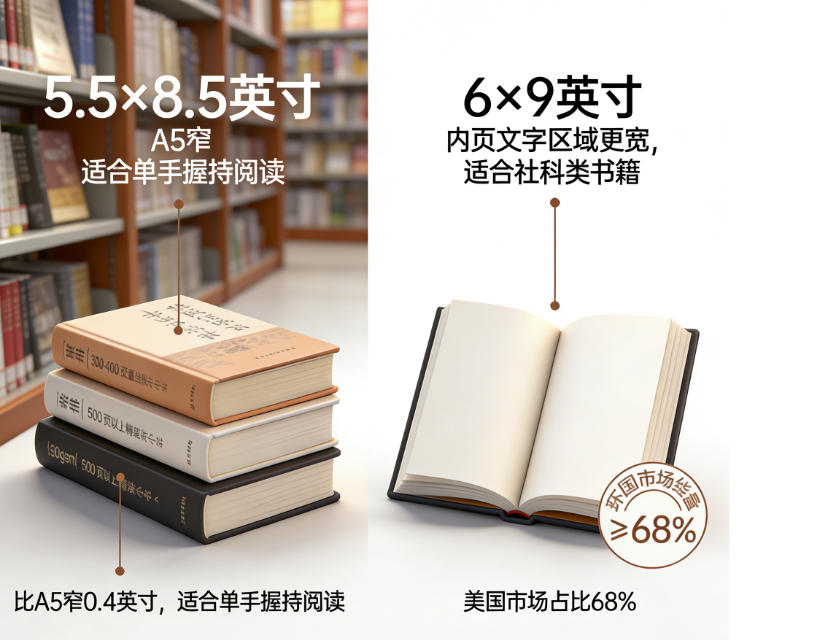
The size of your book impacts the entire production process, from layout design to the type of cover you can create. The versatility of modern post-press equipment is crucial for handling this variety. For example, our IPAD Case making machine demonstrates the flexibility needed to create custom-sized hardcovers for a range of products, not just standard books.
Common Paperback Sizes
The most popular sizes for fiction and non-fiction paperbacks are designed to be portable and easy to hold. They offer a comfortable reading experience and are cost-effective to produce.
| Standard Size | Dimensions (in) | Dimensions (mm) | Commonly Used For |
|---|---|---|---|
| A5 | 5.83 x 8.27 | 148 x 210 | Novels, non-fiction (Europe) |
| Trade | 5.5 x 8.5 | 140 x 216 | Novels, non-fiction (US) |
| Trade | 6 x 9 | 152 x 229 | Non-fiction, memoirs (US) |
Hardcover and Specialty Sizes
Hardcover books often follow the same sizing as paperbacks but can be slightly larger. Textbooks, art books, and coffee table books are often much larger, sometimes A4 or even bigger, to properly display their content. Children's books come in all shapes and sizes, often square, to be more engaging for young readers.
Where can you buy out-of-print books?
Is there a book you love that's no longer in print? It can be frustrating to think you might never find a copy again. But don't give up hope; the internet has made it easier than ever.
You can find most out-of-print books on large online marketplaces like AbeBooks, Biblio, and Alibris. These sites connect thousands of used bookstores worldwide. You can also check with third-party sellers on general sites like Amazon and eBay, or visit your local second-hand bookshop.
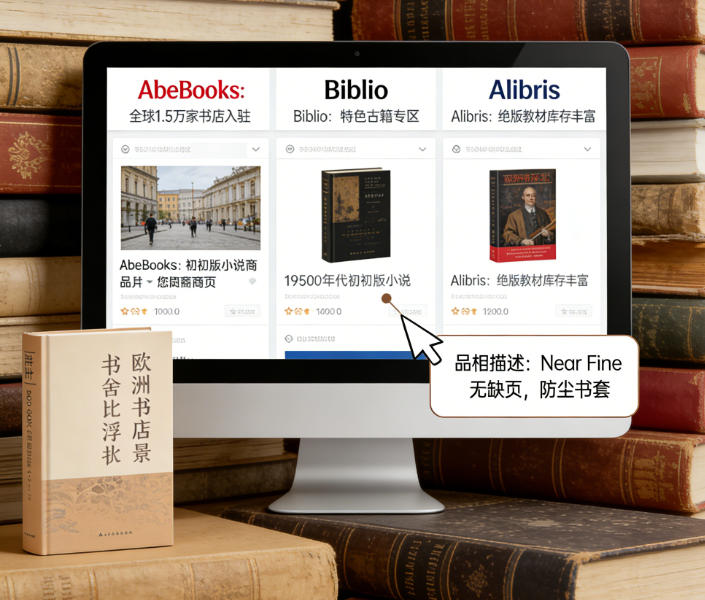
While my expertise is in the machinery that produces new books, I've spent enough time around the industry to know the joy of finding a long-lost favorite. The hunt for an old book is a different kind of treasure hunt. The internet has become the best tool for this, but never underestimate the magic of stumbling upon a gem in a dusty corner of a local shop.
Online Marketplaces
The best place to start your search is on websites that specialize in rare and used books. These platforms act as a massive, searchable database for independent booksellers everywhere.
- AbeBooks: Owned by Amazon, this is one of the largest marketplaces for new, used, and rare books.
- Biblio: A great alternative that supports independent booksellers with lower fees.
- Alibris: Another large marketplace that also lists movies and music.
Local and Physical Stores
Don't forget to check offline. Many of my best finds have been in person.
- Used Bookstores: Your local second-hand shop is a great place to browse. The owners are often very knowledgeable and can sometimes help you track down a copy.
- Library Sales: Libraries often sell off older or less-circulated books for very low prices. You can find some incredible bargains.
- Thrift Stores and Charity Shops: It's more of a lottery, but you can occasionally find amazing books for next to nothing at places like Goodwill or Salvation Army.
Conclusion
Choosing the right paper and size is essential for creating a beautiful book. And for readers, knowing where to hunt for out-of-print treasures ensures no story is ever truly lost.

发表回复