
What is binding machine?
I often see good printed pages lose value at the last step. If the binding is weak, the whole product feels cheap, slow, and hard to sell.
A binding machine is a machine I use to join printed sheets, covers, or book blocks into a finished product like a notebook, report, calendar, hardcover book, or board book. It improves speed, accuracy, and finish quality.
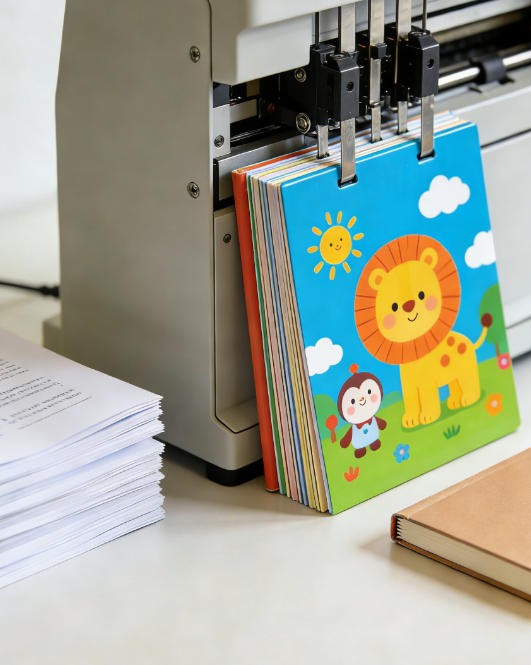
When I talk with printers, bookbinders, and packaging factories, I notice the same thing. Many people know binding is the last step, but they do not always see how much it affects profit, labor, and customer trust. That is why I like to explain binding machines in a simple way. I want readers to know what the machine does, where it helps, and which product link to open next if they want a real production solution from Kylin Machine.
What is the purpose of binding?
I know the pain of finishing a nice print job and then losing value with poor assembly. Loose pages, weak spines, and slow hand work can eat profit fast.
I use binding to turn loose printed parts into a complete product that is easier to use, store, ship, and sell. Binding adds structure, better appearance, and stronger commercial value.
Why I see binding as more than assembly
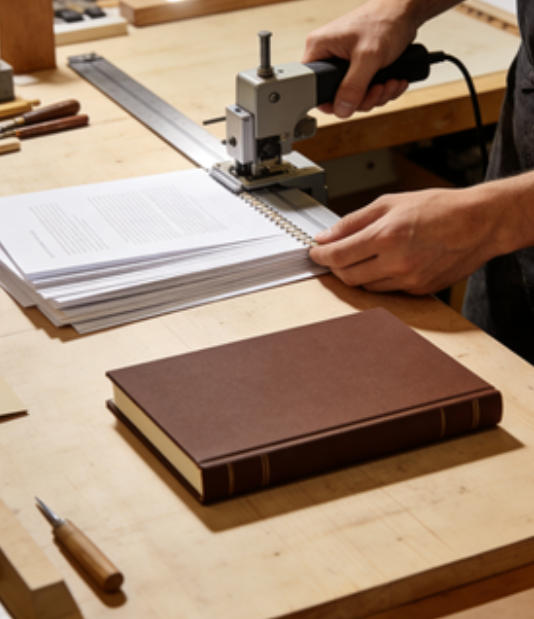
When I explain binding to customers, I do not describe it as only putting pages together. I see it as the step that turns printed material into a finished item with real use. A notebook needs pages that turn well. A hardcover book needs a firm case. A children’s board book needs a flat and safe structure. A calendar needs wire that holds shape and hangs well. In each case, binding changes printed sheets into a product people can handle, store, display, and sell.
Where binding creates value
I often break the purpose of binding into a few simple business goals:
| Purpose | What it means for me | Result |
|---|---|---|
| Structure | I join pages and covers in the right order | Better product stability |
| Function | I make books easy to open, hold, or hang | Better user experience |
| Protection | I help inner pages last longer | Fewer damaged goods |
| Appearance | I give the product a clean finish | Higher product value |
| Speed | I reduce hand work | Lower labor cost |
Product links I would show first
If I want a reader to move from learning to buying, I point them to real machine pages: Auto Double Wire Binding Machine, Book Casing in Machine, and Layflat Board Book Binding Machine. These links help me show that the purpose of binding is not only theory. It is a direct path to faster production and better finished products.
What are the disadvantages of binding machine?
I know many buyers focus on speed first. I do that too. But I also know a binding machine can create trouble if the job type, budget, or skill level do not match.
The main disadvantages of a binding machine are upfront cost, setup time, space use, maintenance, and limits on job range. I always match the machine to the real production need before I recommend it.
Why I do not oversell any machine
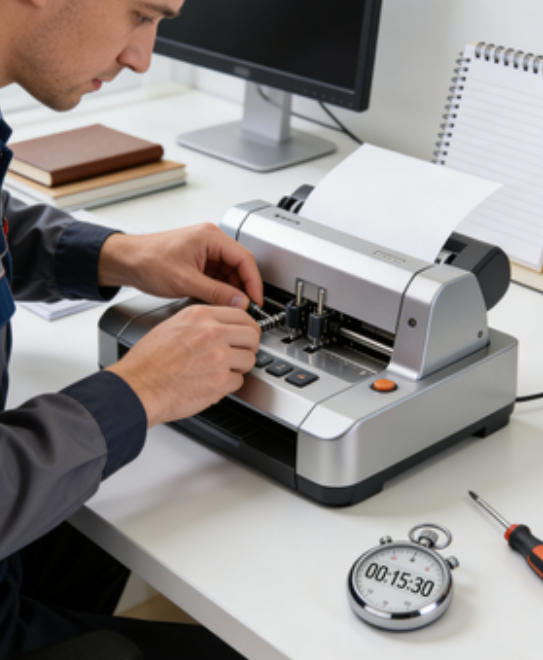
I like machines, but I do not tell every factory to buy the biggest one. A binding machine is a tool, not magic. If a shop has short runs, many size changes, or low daily volume, a fully automatic line may not pay back fast enough. I have seen businesses buy more automation than they can feed with stable orders. That creates idle capacity, training stress, and pressure on cash flow.
The limits I tell buyers clearly
I usually explain the downside in a simple table:
| Disadvantage | What I watch for | My practical view |
|---|---|---|
| Higher investment | Machine cost, air supply, space | Best for steady volume |
| Setup learning | Operator training and adjustment | Easier after routine forms |
| Maintenance need | Cleaning, wear parts, checks | Important for stable quality |
| Job limits | Size, thickness, binding style | One machine does not do all jobs |
| Changeover time | Switching formats and materials | Matters for mixed orders |
How I reduce the risk
I reduce these disadvantages by asking the right questions first. I ask about product type, sheet size, book thickness, daily output, and labor cost. For example, if I need hardcover assembly, I would look at the Book Casing in Machine. If I need fast notebook or calendar work, I would study the Auto Double Wire Binding Machine. If I need special flat-opening children’s books, I would review the Layflat Board Book Binding Machine. I believe the disadvantage is often not the machine itself. The real problem is a bad match between the machine and the order mix.
How do I use a binding machine?
I remember my first machine setup. I learned fast that even a strong machine needs a calm process. Good binding starts before I press the first button.
I use a binding machine by preparing the printed sets, choosing the right binding material, setting size and thickness, testing one sample, and then running production with regular quality checks.
The simple workflow I follow
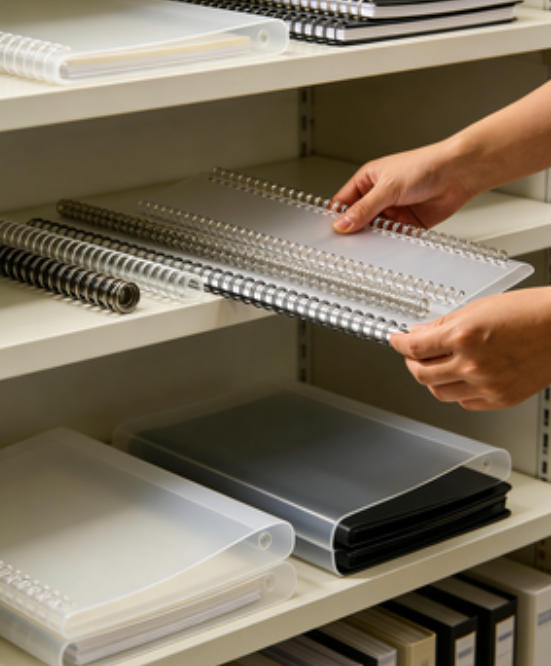
I keep my workflow easy to repeat. First, I prepare the pages or book block. Next, I sort covers, wire, glue, or head band materials. Then, I set the machine for thickness, width, and position. After that, I run one sample and inspect it by hand. I check page order, spine position, opening effect, and finish quality. Only then do I start batch work.
The steps I use in real production
| Step | What I do | Why I do it |
|---|---|---|
| Prepare materials | I stack pages, covers, and binding parts | Prevents feeding trouble |
| Set parameters | I adjust width, thickness, and position | Keeps accuracy stable |
| Test one piece | I make a sample first | Finds errors early |
| Run production | I feed at steady speed | Protects machine rhythm |
| Check output | I inspect binding strength and look | Stops waste from growing |
The machine examples I would use
If I run wire-bound jobs, I would use the Auto Double Wire Binding Machine, which is built for automated punching and wire forming. If I run hardcover work, I would use the Book Casing in Machine, where I place the book core and cover, then let the machine glue and combine them. If I want a finishing step for book blocks, I would add the Book Block Head Band Machine. In my view, the best use method is not only technical. It is disciplined. I keep the machine clean, I train one operator well, and I never skip the sample check before full production.
What are the features of binding machine?
I find that buyers often ask for a machine, but what they really need is the right feature set. Speed alone does not solve every job.
The key features I look for in a binding machine are speed, precision, easy adjustment, size range, stable feeding, safe operation, and support for the binding style I need.
The features that matter most to me
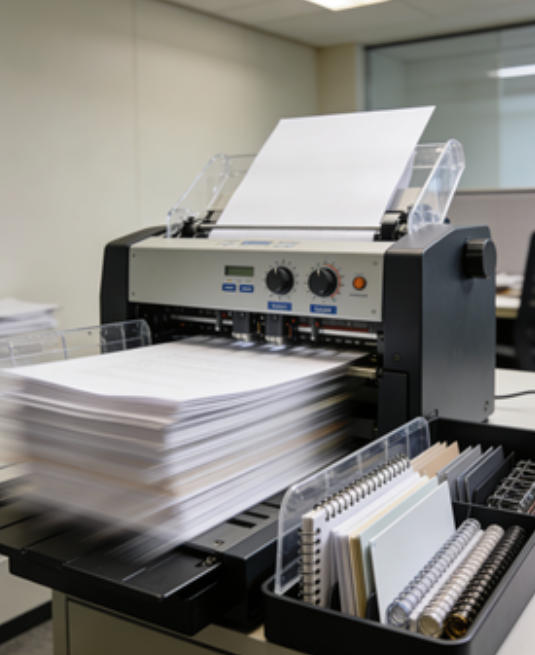
I care about features that protect output and profit. Precision matters because poor position makes the finished book look cheap. Speed matters because labor cost keeps rising. Easy adjustment matters because many factories do mixed jobs. Safety matters because one operator often runs the line. I also value after-sales support because no factory wants a machine to stop and wait.
The features I compare before I buy
| Feature | Why I care | Example from Kylin range |
|---|---|---|
| Production speed | I need output that matches demand | Double wire model runs high-volume jobs |
| Precision control | I want repeatable quality | Servo and touch control help consistency |
| Size range | I need flexibility | Different models cover different formats |
| Easy cleaning | I want less downtime | Casing-in model supports simple cleaning |
| Special function | I need the right finish | Layflat or head band options fit niche products |
The product list I would give a serious buyer
If I want a buyer to stay on the site and contact me, I share a short list that matches real use cases:
| Need | Product link |
|---|---|
| Wire notebooks and calendars | Auto Double Wire Binding Machine |
| Hardcover casing work | Book Casing in Machine |
| Book block finishing | Book Block Head Band Machine |
| Layflat children’s and photo books | Layflat Board Book Binding Machine |
I am Jacob from Kylin Machine, and I focus on B2B and wholesale only. If I speak with a serious packaging, printing, or bookbinding buyer, I ask for the product size, thickness range, daily output, and sample photos first. Then I can guide the buyer to the right machine faster. A reader can contact me at sales@kylinmachines.com, call or WhatsApp +86-13809820550, or visit https://postpressmachines.com/ to send an inquiry.
Conclusion
I see a binding machine as the step that turns printed work into a sellable product, and the right machine helps me raise quality, speed, and customer trust.

发表回复