

When did bound books first have color plates within?
Finding a beautiful old book with vibrant color pictures is rare. Most old books are just black and white text. You might wonder when books finally started showing us the world in color.
Bound books first included color plates as early as 1606 in China using woodblock printing. In the West, they became popular in the late 1700s and early 1800s. These plates were separate pages printed on high-quality paper and then bound into the book by hand.
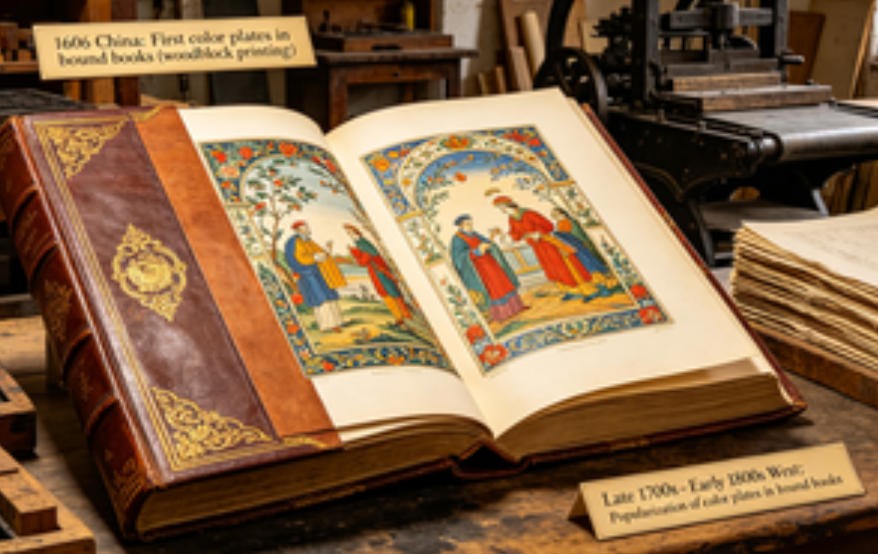
I have seen many people collect these old books just for the pictures. They are truly works of art. If you want to know more about the history of color in printing, keep reading.
When did magazines start printing in color?
Magazines used to be very dull and hard to read. Black and white pages could not capture the excitement of fashion or news. People wanted something more visual to look at.
Magazines began using color in the mid-19th century. The "Colored News" in 1855 was one of the first. By the 1890s, color printing became common for covers and special illustrations as printing technology improved and became cheaper for mass production.
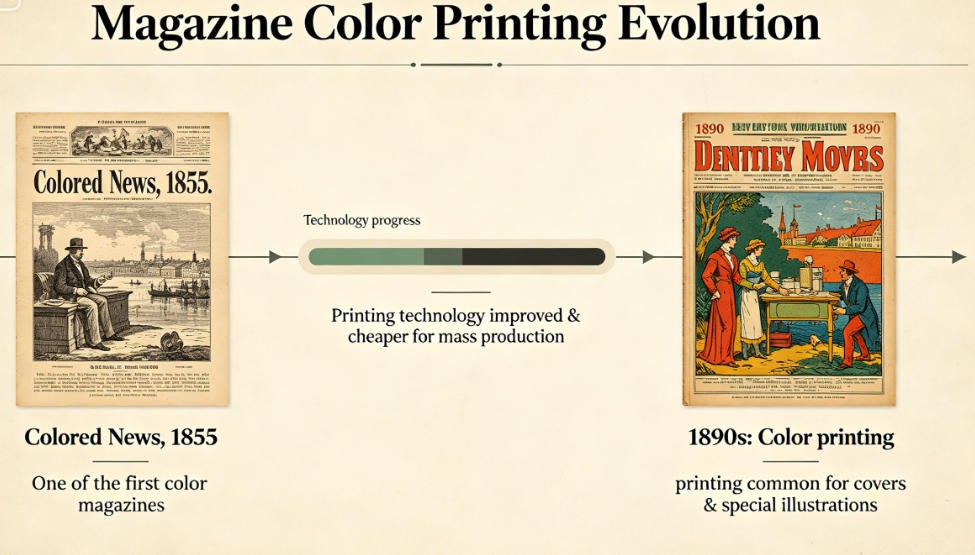
The shift to color changed how we see the world. Before this, you only saw color in expensive paintings. Magazines made color available to everyone. I remember seeing old magazines at a market once. Even with faded ink, the colors looked amazing.
The Rise of Color Periodicals
The first magazines used wood blocks to add color. This was slow and hard to do. Later, they used chromolithography. This allowed for much brighter colors and better details. It was a huge step for the printing industry.
Impact on Advertising
Color made ads work much better. Companies could show their products in real colors. This made people want to buy more things. It was the start of modern marketing. Today, we take it for granted, but back then, it was like magic.
| Era | Printing Method | Main Use |
|---|---|---|
| 1850s | Woodblock Color | Small illustrations |
| 1890s | Chromolithography | Magazine covers |
| 1910s | Four-color process | Full magazine pages |
What does 10 9 8 7 6 5 4 3 2 1 mean in a book?
You open a book and see a weird line of numbers. It looks like a secret code or a mistake. Most readers ignore it, but it actually tells you something very important.
The line of numbers 10 9 8 7 6 5 4 3 2 1 is called a number line. It tells you which printing of the book you have. The lowest number visible is the current printing. If you see a "1", it is a first printing.
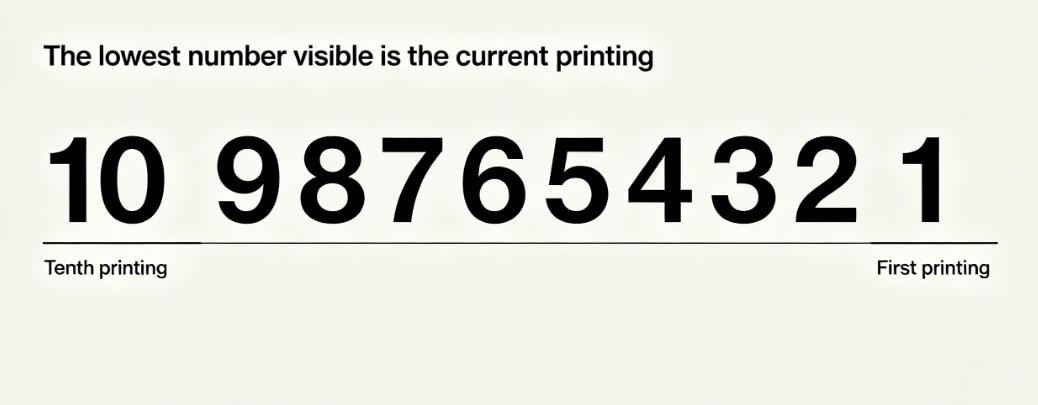
I often check this line when I buy old books. Collectors love finding a "1" because it means the book is from the very first batch. I once found a rare book at a yard sale just by looking at this line.
How the Number Line Works
Publishers use this line to save money. They do not want to change the whole plate for every new printing. They just rub off the lowest number for the next batch. So, if the second batch starts, they remove the "1". Then the line starts with "2". It is a very clever and cheap way to track editions.
Why Collectors Care
A first printing is usually the most valuable. It is the closest to the author's original work. Sometimes later printings have small changes or fixes. If you have a "1" in a famous book, it might be worth a lot of money.
Other Symbols
Sometimes you see years next to the numbers. This tells you the year the book was printed. It is a very simple system that has worked for a long time. It helps everyone from librarians to collectors keep track of book history.
| Lowest Number | Meaning |
|---|---|
| 1 | First Printing |
| 2 | Second Printing |
| 5 | Fifth Printing |
Why are bound books so expensive?
You want to buy a nice hardcover book but the price is very high. It seems unfair that a few pieces of paper cost so much. Why can't they be cheaper for everyone?
Bound books are expensive because they require high-quality materials and complex labor. Hardcover binding uses thick boards, special glue, and cloth or leather. Making these books needs advanced machines like the ones we make at Kylin Machine to ensure they last a long time.
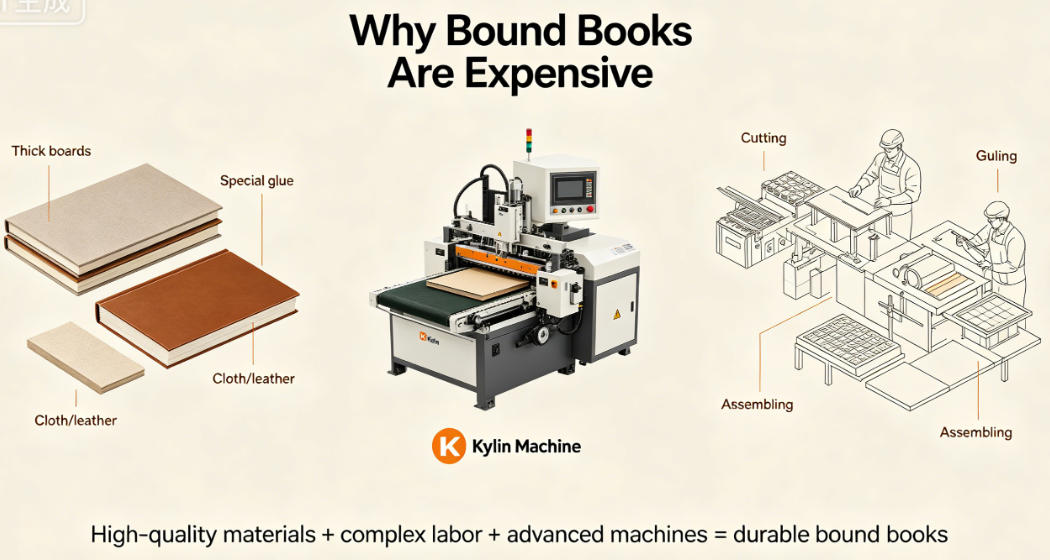
I spend my days working with machines that make these books. I know exactly how much work goes into a single cover. It is not just paper and ink. It is a piece of engineering. When I see a well-made book, I see the hard work of many people and machines.
The Cost of Materials
Good paper is heavy and costs more to ship. The boards for the cover must be strong so they do not bend. We use our Ky-380 Hard Cover Making Machine to make sure the covers are perfect every time. Quality materials mean the book can stay in your family for years.
Precision Engineering
Binding a book is a multi-step process. You have to fold the paper, sew it, and then glue it to the case. If the glue is not right, the book falls apart. Our Glue Spraying Assembly Machine helps makers get this right every single time.
Small Batch Costs
Many bound books are made in small numbers. This makes the cost for each book higher. Big machines are expensive to set up for just a few hundred books. This is why limited editions are so pricey.
| Factor | Why it Costs More |
|---|---|
| Binding | Needs heavy boards and cloth |
| Machinery | High-tech case makers are needed |
| Labor | More steps than a paperback |
What is a color plate in a book?
You might see a picture in a book that feels different from the other pages. It is thicker and the colors are much brighter. You wonder why it is not like the rest.
A color plate is an illustration printed separately from the main text. It is usually printed on better, heavier paper to hold the ink better. These pages are then inserted into the book during the binding process, often protected by a thin piece of tissue paper.
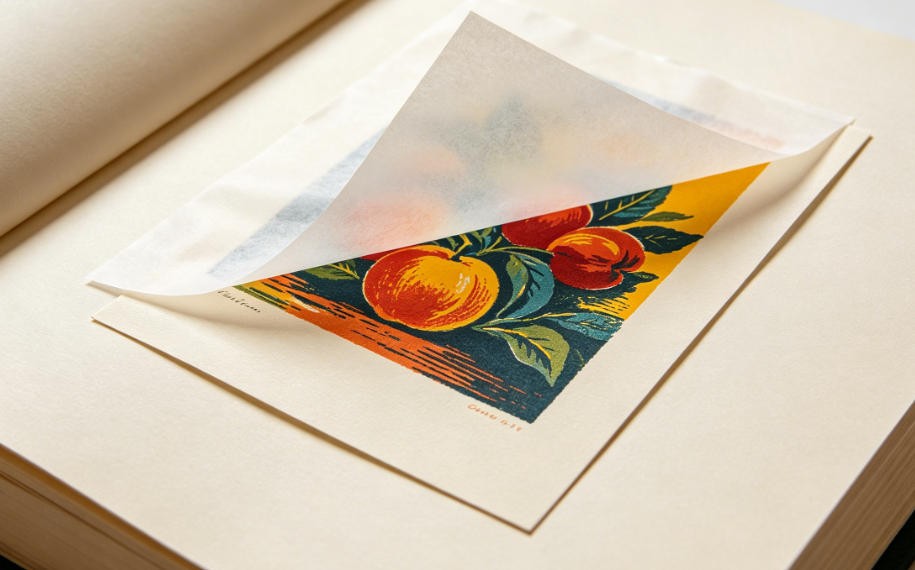
I love feeling the texture of a real color plate. It feels like you are holding a small painting inside a story. In my office, I have a few old books with plates that still look new after fifty years.
The Printing Process
In the old days, you could not print color and text at the same time. The text was printed on a regular press. The color plates were made on a different press that could handle more detail. This is why they are on different paper. It shows a high level of craft.
Protecting the Art
Because the ink on color plates was often thick, it could smudge onto the text. That is why old books have that thin, see-through paper in front of the picture. It keeps the art safe for many years. It is a simple but effective way to protect the beauty of the book.
Modern Version
Today, we can print color on every page. But luxury books still use the plate method to make the book feel special. It shows that the maker cared about the quality. If you are a maker, you might need an Auto Double wire binding machine for special projects.
| Feature | Color Plate | Regular Page |
|---|---|---|
| Paper Weight | Heavy / Coated | Light / Uncoated |
| Print Quality | Very High | Standard |
| Binding | Inserted separately | Printed with text |
If you are looking for high-quality machines to make your own bound books or luxury boxes, please check our product list below. We help businesses create beautiful packaging and books.
Our Featured Machines:
- Ky-380 Hard Cover Making Machine - For perfect book covers.
- Auto Double wire binding machine - For durable book binding.
- Auto Rigid Boxes Machine 2025 version - For luxury gift boxes.
- Glue Spraying Assembly Machine - For precise assembly.
Please leave your contact details below if you want a quote or have any questions about our machines!
Conclusion
Color plates and bound books have a long history. They show how much we value beautiful stories. From old woodblocks to modern machines, we still love a well-made book.

发表回复