
What is die cut packaging?
I see many buyers lose time and money on plain packaging. I use die cut packaging to fix fit, shelf impact, and waste in one move.
I define die cut packaging as packaging that I cut, crease, or shape with a custom die so each box, insert, tag, or sleeve matches a planned design and repeats at scale with clean edges.
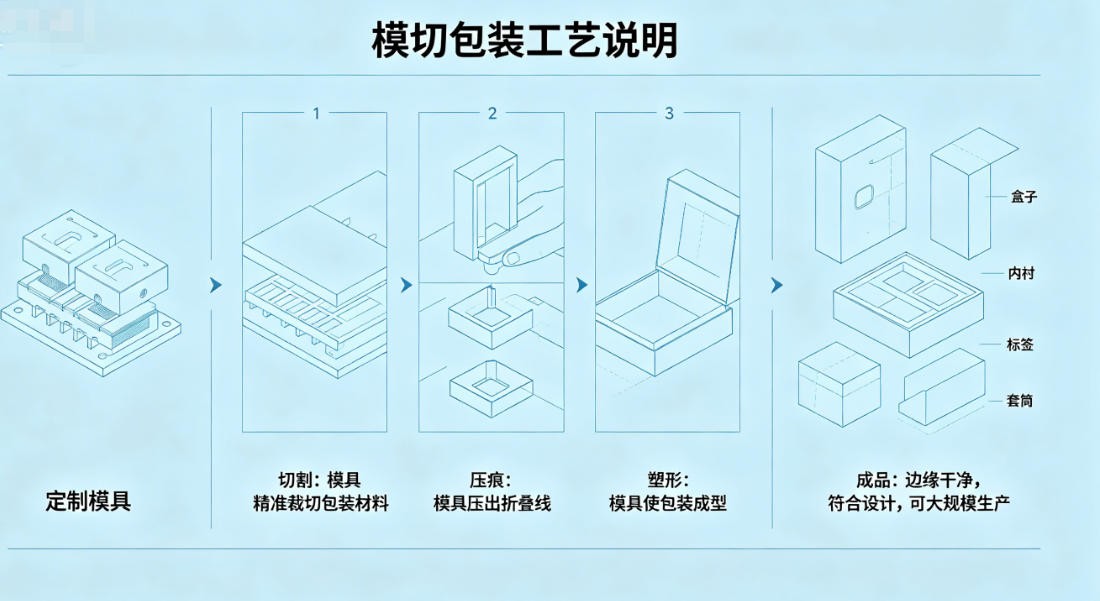
When I talk with packaging buyers, I often find the same problem. They know they need a better box, but they do not know which process gives clean shape, fast output, and steady quality. I use die cut packaging when I need structure, speed, and repeat results. I also use it when I want the package to sell before the product is even touched. If you stay with me, I will break the idea into simple parts. I will also show you a few machine links from my site that can help you move from samples to production.
What is the use of die cut packaging boxes?
I often see brands pay for strong products and weak boxes. A die cut box helps me turn plain paperboard into protection, display, and brand value.
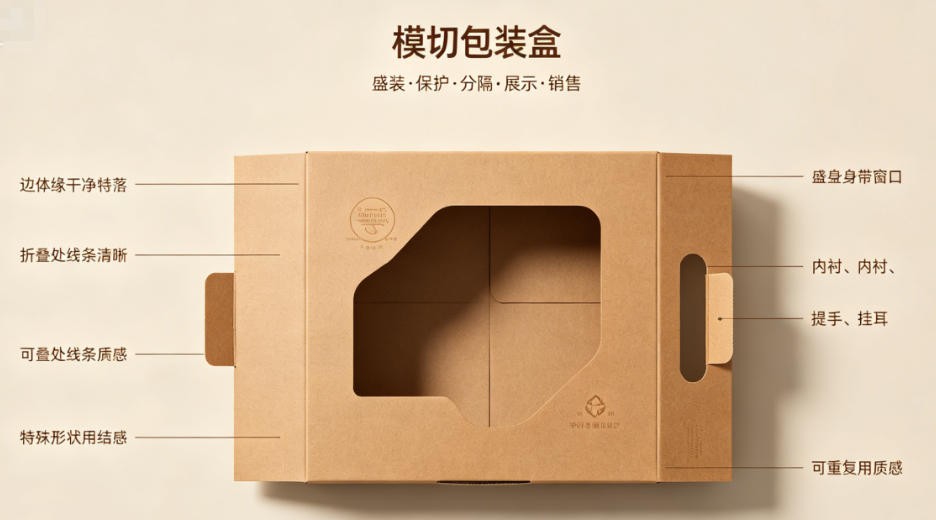
I use die cut packaging boxes to hold, protect, separate, display, and sell products. I can add windows, inserts, handles, hang tabs, and special shapes with clean repeatable results.
Where I use them
I use die cut boxes when I need the pack to fit the product well. A close fit helps me stop movement in shipping. It also helps me lower damage. In luxury packaging, I use die cut parts to make inserts, sleeves, and outer shells look neat. In retail work, I use them to make hooks, windows, and folding parts that help the product stand out. In short, the box stops being only a box. It becomes part of the sale.
What they help me do
| Use | How I apply it |
|---|---|
| Protection | I make inserts and folds that hold the item in place |
| Presentation | I create windows, shaped lids, and cleaner edges |
| Efficiency | I fold and pack faster because every piece is the same |
| Branding | I make a box shape that customers remember |
| Cost control | I cut waste because the layout is planned in advance |
Machines I would show a buyer
| Need | Product link |
|---|---|
| Sample cutting and short runs | Digital die cutting machine |
| Fast rigid box production | Auto rigid box machine |
| High volume premium boxes | Fully Auto rigid box machine 2024 |
When I guide a buyer, I do not start with the machine first. I start with the box use. I ask what product goes inside, how it ships, how it sits on shelf, and what finish the brand wants. That is how I decide whether a simple die cut blank is enough or a full rigid box line makes more sense.
What are diecuts used for?
I see many people think diecuts only mean cutting a fancy outline. I use diecuts for much more than shape.
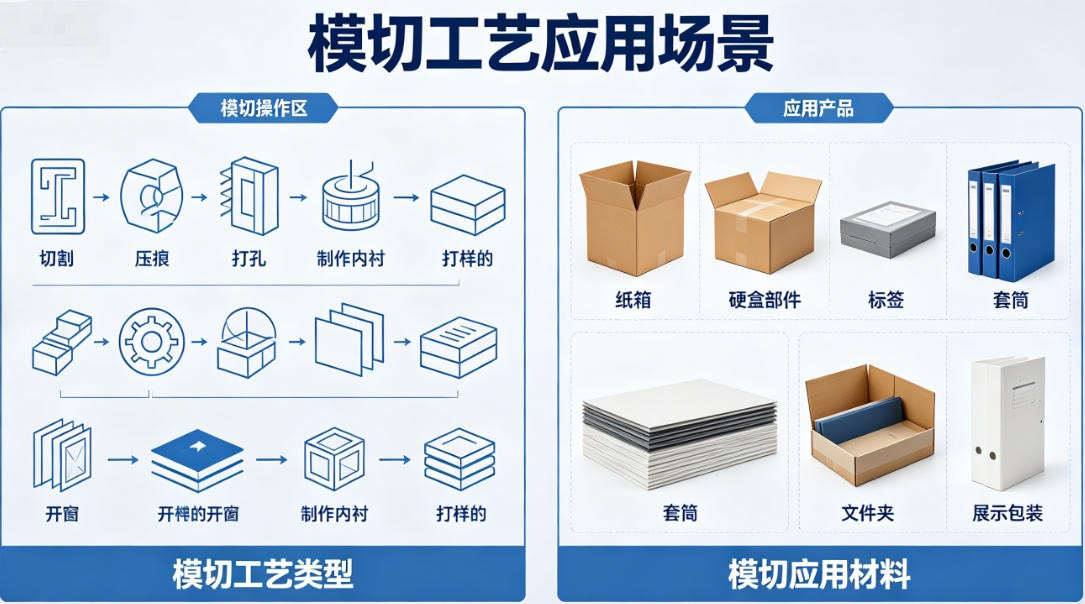
I use diecuts for cutting, creasing, slotting, perforating, window making, insert making, and sample proofing. I use them on cartons, rigid box parts, labels, sleeves, folders, and display packs.
The real job of a diecut
I use a diecut when I want one sheet to do more than one job. A flat sheet can become a folding carton. A board can become a rigid box wrap part. A printed sheet can become a display unit with tabs and locking points. This is why diecuts matter so much in printing and packaging. They turn design into a physical structure that workers can repeat all day.
Common diecut jobs I see
| Job | Why I use it |
|---|---|
| Cut outline | I get the final outer shape |
| Crease line | I fold cleanly without cracking |
| Slot or lock | I build self-locking structures |
| Perforation | I add tear-open or coupon features |
| Window cut | I show the product without opening the box |
| Insert cut | I hold products in a fixed position |
| Stage | Product link | Why I like it |
|---|---|---|
| Proofing and short-run cutting | Digital die cutting machine | I can cut samples fast and save knife mold cost |
| Waste removal after cutting | Carton Waste Stripper | I clean scrap much faster after diecut work |
| Board waste handling | Boards waste taken machine | I remove outer waste more neatly in production |
I also see a big difference between a sample room and a production floor. In the sample room, I care about speed of change. In the factory, I care about speed of repeat. That is why I often pair a flexible sample solution with a stronger production system when a buyer moves from idea to order volume.
What are the benefits of using a die cutter?
I know many factories still cut by hand for small work. I also know that hand cutting starts to hurt quality very fast.
I use a die cutter to get better accuracy, faster output, lower labor pressure, cleaner repeat work, and easier scaling from one sample to many finished packs.
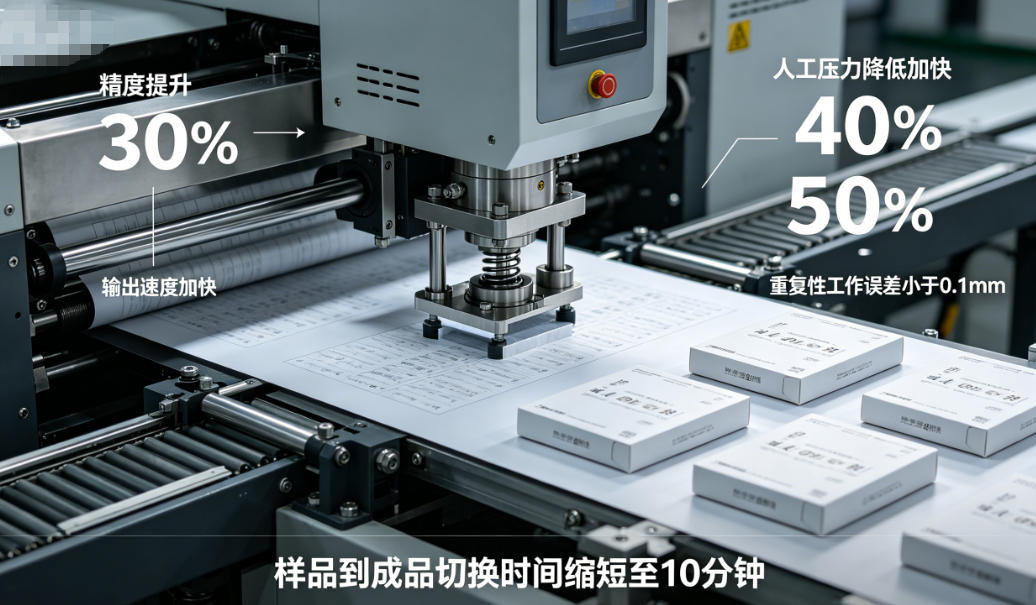
Why I choose a die cutter
The first benefit I see is consistency. When I cut by hand, every piece depends on operator skill. When I use a die cutter, I get a more stable result. The second benefit is speed. Once the layout is ready, I can move more sheets in less time. The third benefit is cleaner folding and assembly. Good cut and crease lines make the next process easier. That means gluing, wrapping, and forming go more smoothly.
I also care about waste. Bad cutting causes scrap, rework, and delay. A stronger cutting process lowers all three. For sample making, I like digital cutting because I can change a file fast. For longer production, I look at the full line and the output target.
Benefits I explain to buyers
| Benefit | What it means for me |
|---|---|
| Accuracy | I keep size, slot, and fold lines more stable |
| Speed | I move from design to sample or batch faster |
| Lower waste | I reduce bad cuts and material loss |
| Better finish | I get cleaner edges and easier assembly |
| Scale | I can go from one idea to repeat production |
| Labor relief | I reduce tiring manual work |
Products I connect to this benefit
| Buyer goal | Product link |
|---|---|
| Save knife mold cost on samples | Digital die cutting machine |
| Speed up post-cut waste removal | Carton Waste Stripper |
| Produce luxury rigid boxes at scale | Fully Auto rigid box machine 2024 |
| Add premium magnet box function | Fully auto magnet closure box machine |
When I work with wholesale buyers, I always tie the benefit to margin. Faster setup helps sample approval. Better repeat accuracy helps customer trust. Lower waste helps profit. Easy forming helps delivery time. Those are the points that move a machine deal from interest to action.
Why is it called die cut?
I hear this question a lot because the word sounds old. I still use it every week because the idea is still useful.
I call it die cut because the sheet is cut by a die, which is a shaped tool that presses or cuts material into a planned form. The name stayed, even as machines changed.
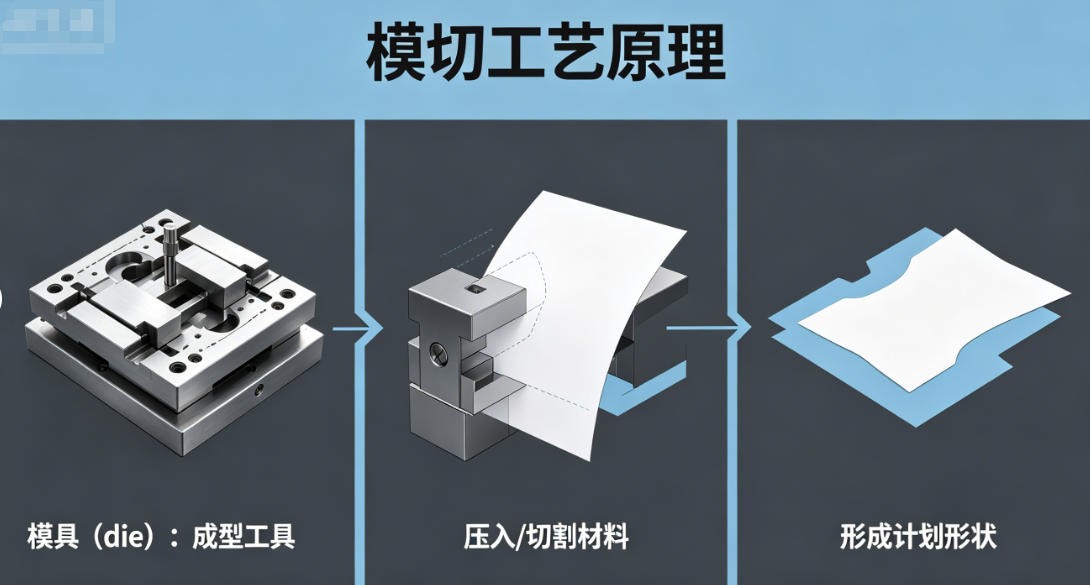
What the word means to me
I explain it in a simple way. The word "die" means the tool that gives shape. The word "cut" means the action. So die cut means I use a shaped tool to cut or form material into the same shape again and again. In older systems, that die was a physical tool. In newer sample systems, I may use a digital cutter with no physical die. Still, the market often keeps the old name because buyers understand it at once.
This matters because language affects buying decisions. If a buyer asks me for die cut packaging, I need to know whether they want sample proofing, full production, rigid box forming, or only waste stripping after cut work. Once I know that, I can point them to the right machine.
How I sort the request
| Buyer asks for | What I think they may need | Product link |
|---|---|---|
| Die cut sample | Fast file-to-sample cutting | Digital die cutting machine |
| Premium rigid box line | Full forming and wrapping | Auto rigid box machine |
| Luxury magnetic box part | Magnet insert automation | Fully auto magnet closure box machine |
| Scrap removal after cutting | Faster cleanup | Carton Waste Stripper |
If you want me to suggest the right machine
I like to keep the next step simple. You can copy the table below and send it to me.
| Item | Your details |
|---|---|
| Company name | |
| Contact person | |
| WhatsApp / Phone | |
| Country | |
| Product type | |
| Box style | |
| Material | |
| Max sheet or box size | |
| Output target per day | |
| Sample only or mass production | |
| Budget range |
When I receive these details, I can usually narrow the options fast. I can then point you to the best-fit machine page on my site and save time for both of us.
Conclusion
I use die cut packaging to shape better boxes, cut waste, and raise value. If you share your box details, I can help you match the right machine faster.

发表回复