

What is the best packaging to ship jewelry?
A beautiful piece can arrive scratched, tangled, or broken if I pack it the wrong way. That mistake costs money, trust, and repeat orders.
I get the best results with a soft inner wrap, a snug jewelry box, and a rigid outer shipping carton with void fill. This simple setup protects jewelry from scratches, tangles, crushing, and loss in transit.
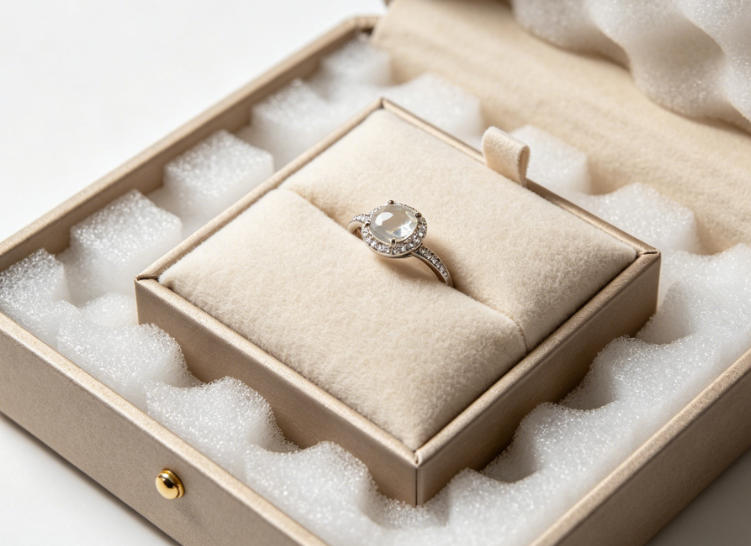
When I talk with packaging buyers, I see the same worry again and again. They do not just want a box. They want safe delivery, clean presentation, and a packing method that still looks premium when the customer opens it. That is why I always look at jewelry shipping from both sides. I look at the seller who needs fewer claims, and I look at the buyer who wants a strong first impression. If I get both parts right, the package does more than protect the jewelry. It also helps the brand sell again.
How to package jewelry for shipping?
Small jewelry can move fast inside a parcel. If I leave empty space, I invite scratches, bent parts, and unhappy customers.
I package jewelry for shipping by separating the item, wrapping it in soft material, fixing it inside a snug jewelry box, and then placing that box inside a strong outer carton.
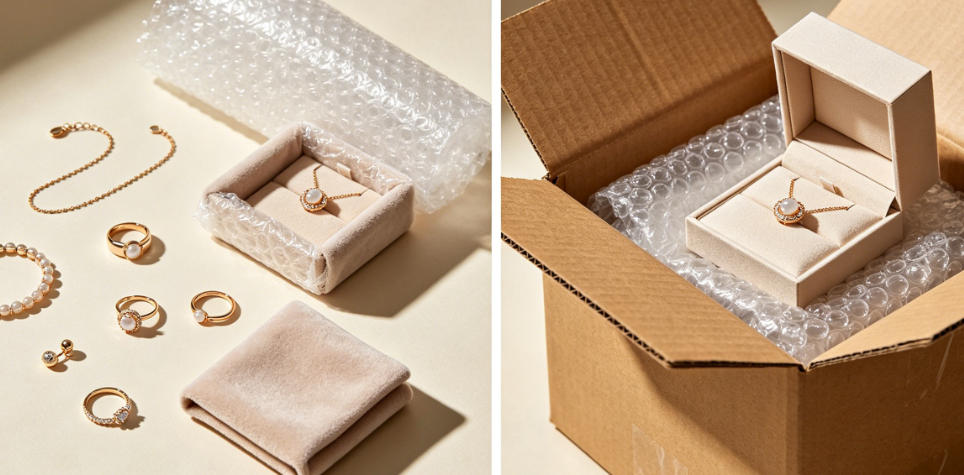
My basic method
I start with the item itself. I never let chains, stones, or metal parts rub against each other. I use a soft pouch, tissue, foam, or a small zip bag, based on the product. I secure necklaces so they do not knot. I secure earrings so they do not poke through the pack. Then I place the item inside a snug inner box. The inner box must match the size of the jewelry. If the box is too big, the item still moves. If the box is too small, it can press on stones or clips.
After that, I place the inner box inside a rigid outer shipping carton. I add kraft paper, foam, or paper void fill around it. I do this because impact protection matters as much as presentation. I also seal the parcel well and keep branding on the outside simple for security.
| Packing layer | What I use | Why I use it |
|---|---|---|
| Item protection | Tissue, pouch, foam, zip bag | I stop scratches and tangles |
| Inner pack | Snug jewelry box | I hold the item in place |
| Outer pack | Corrugated shipping carton | I resist crushing |
| Void fill | Kraft paper or foam | I reduce movement |
If I make jewelry boxes at scale
When I work on premium box production, I look at these Kylin pages for ideas and equipment:
| Product page | Best use | Link |
|---|---|---|
| Auto rigid box machine | Luxury jewelry gift boxes | View product |
| Jewelry Rubber Box Assembling Machine | Small jewelry box wrapping work | View product |
| Jewellery box edge stamp machine | Decorative box finishing | View product |
What is the 2:1:1 rule for jewelry?
Many sellers hear this rule and feel confused. I understand that, because people use the phrase in different ways.
I do not treat the 2:1:1 rule as a formal global shipping law. I use it as a simple packing guide: 2 soft protection layers, 1 inner jewelry box, and 1 outer shipping carton.
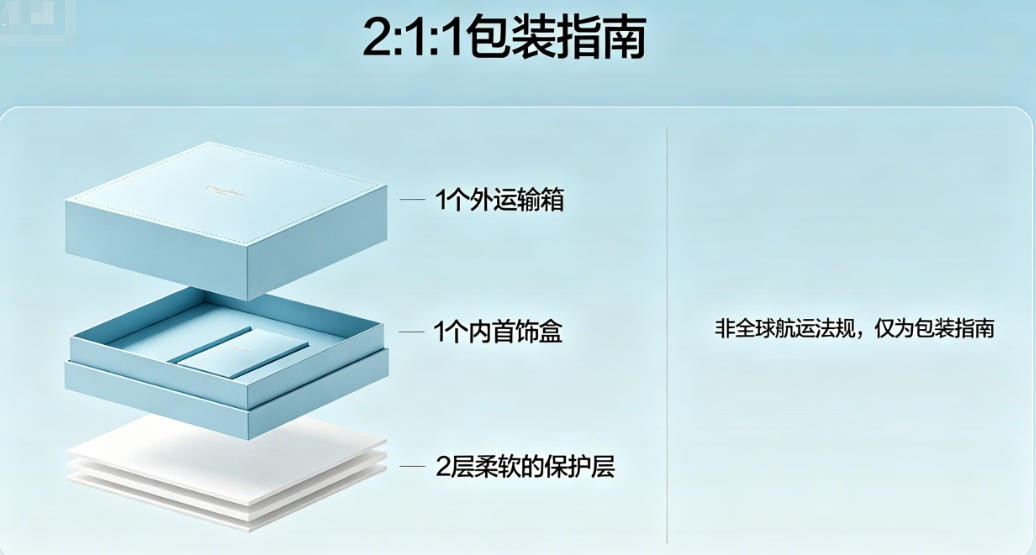
How I use the rule in real work
I use the 2:1:1 rule because it is easy to teach and easy to check on a packing table. The first "2" means two soft barriers. For example, I may use one jewelry pouch and one layer of tissue, or one small poly bag and one foam insert. These soft layers protect the surface and stop direct contact. The first "1" means one fitted inner box. I want the product to sit in a stable place. The last "1" means one strong outer carton. I do not ship a jewelry box by itself unless I am sure the route is short and low risk.
This rule helps me reduce packing errors. It also helps train new staff fast. I can look at a parcel and know if the basics are there. I still adjust the pack for rings, necklaces, watches, or fragile stone pieces, but the rule gives me a clean starting point.
| Part of the rule | What I check | Common mistake |
|---|---|---|
| 2 soft layers | Surface and movement protection | Using only one thin wrap |
| 1 inner box | Tight fit and neat display | Oversized box |
| 1 outer carton | Shock and crush protection | Shipping in a mailer only |
Where box quality matters
If I want the inner box to look better and perform better, I usually study rigid box solutions first. These pages are useful for that work:
| Need | Product page | Link |
|---|---|---|
| Make rigid gift boxes | Auto rigid box machine | View product |
| Improve surface finish | Jewellery box edge stamp machine | View product |
| Build premium MDF style boxes | Auto Rigid Boxes Machine 2025 version | View product |
How to ship jewelry internationally?
International shipping adds risk fast. I deal with longer routes, more handling, customs checks, and more chances for delay or damage.
I ship jewelry internationally by using strong tamper-aware packaging, clear invoices, correct HS and value details, and a carrier service that offers tracking, insurance, and signature delivery.
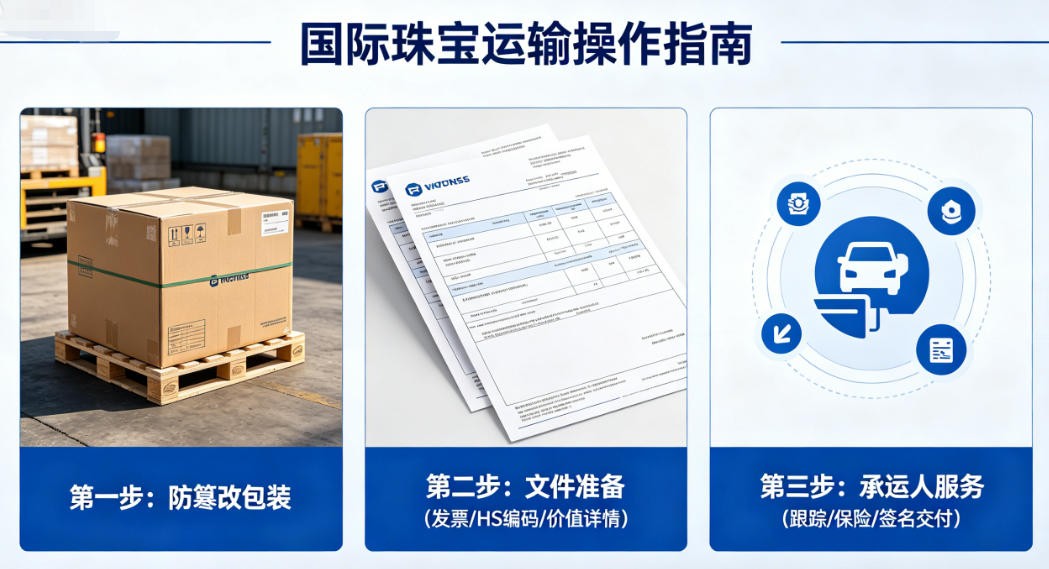
What I always prepare before dispatch
I start with the packaging, but I do not stop there. I make sure the declared value is right. I describe the goods clearly on the invoice. I check import rules for the country before I ship. I also avoid words that are too vague. A clear product description helps customs move the parcel with fewer questions. I keep the outer pack plain because plain packing can reduce attention during transport. I also use a service with tracking and signature confirmation when the value is high.
Insurance matters too. I do not assume the carrier will cover every loss by default. I check the policy before I book the shipment. I also keep photos of the packed item, the labels, and the final parcel. These records help if there is a claim. For high-value orders, I sometimes split operational steps into a checklist so no detail gets missed during busy production weeks.
| International shipping step | What I do | Why I do it |
|---|---|---|
| Documents | Prepare invoice and product details | I reduce customs delays |
| Carrier | Use tracked and signed service | I improve control |
| Insurance | Check coverage before dispatch | I reduce claim risk |
| Outer pack | Keep it plain and strong | I improve security |
If a buyer wants better box supply
Many international buyers also ask me how to make stronger luxury boxes at the factory side. I usually share these starting points:
| Use case | Product page | Link |
|---|---|---|
| Rigid jewelry and gift box production | Products overview | View product list |
| Luxury rigid box production | Auto rigid box machine | View product |
| Bubble-free large box pressing | Large Box pressing machine | View product |
If a buyer wants to talk about a machine line, I usually send them to Contact Us and ask for box size, output goal, and target market first.
What's a good way to pack jewelry?
Bad packing often comes from overthinking. I see people add too many layers, or they use nice boxes without real transit protection.
A good way to pack jewelry is to keep the item still, keep surfaces apart, and keep the outer parcel strong enough for the shipping route.
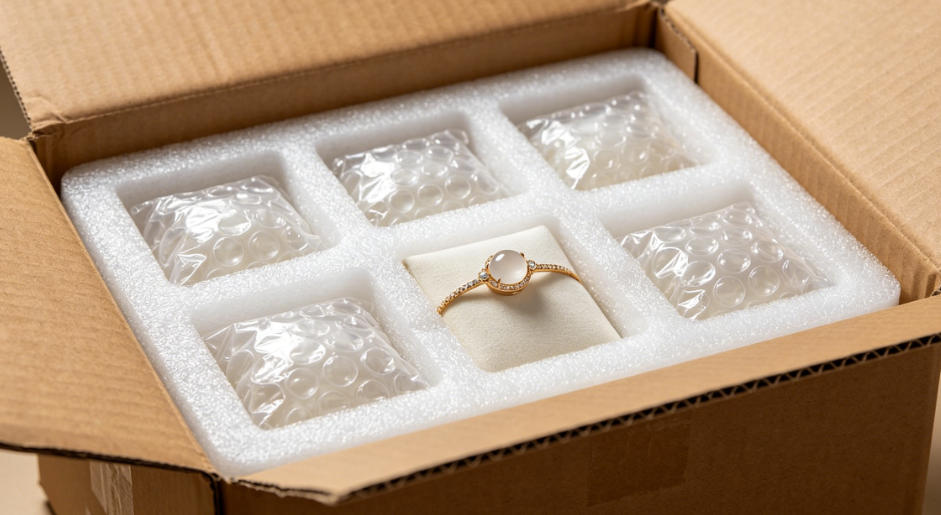
My practical packing checklist
I like a method that any packing team can repeat. First, I match the pack to the item type. Rings need support under the band. Earrings need backing so the posts stay fixed. Necklaces need anti-tangle control. Bracelets need soft wrap and a stable inner fit. Next, I test movement. I gently shake the inner box. If I hear or feel movement, I add support. Then I test the outer parcel. I press the carton by hand and check if the void fill holds the inner box at the center.
I also think about the customer opening experience. A good jewelry pack should feel clean and calm, not stuffed and messy. That is why rigid boxes work so well for many premium brands. They hold shape, present well, and protect better than weak folding packs. If I am building a jewelry packaging line for wholesale buyers, I look for equipment that helps me keep both speed and finish quality.
| Jewelry type | Inner support I prefer | Main risk I control |
|---|---|---|
| Ring | Slot insert or foam pad | Scratches and movement |
| Earrings | Card or foam support | Bent posts |
| Necklace | Pouch plus fixed point | Tangling |
| Bracelet | Soft wrap and snug box | Surface marks |
If I want a reader to stay on the site and explore the right equipment, I would guide them to these pages:
| Reader need | Product page | Link |
|---|---|---|
| See all machine options | Products | Browse products |
| Make jewelry boxes | The best way to make jewelry boxes | Read article |
| Ask for a quote | Contact Us | Send inquiry |
If you contact me, I would ask for four details first: box style, box size, daily output, and your target country. Those four points help me suggest the right machine much faster.
Conclusion
I believe the best jewelry shipping pack is simple, tight, and strong. When I protect the item, the box, and the route together, I protect the brand too.

发表回复