

What is the main purpose of packaging?
I see many good products lose value fast when weak packaging fails in transit, on shelves, and in the buyer’s hand. That is costly, and it is avoidable.
The main purpose of packaging is to protect the product, make handling easier, support sales, share product information, and build trust in the brand. Good packaging also helps storage, shipping, display, and repeat orders.
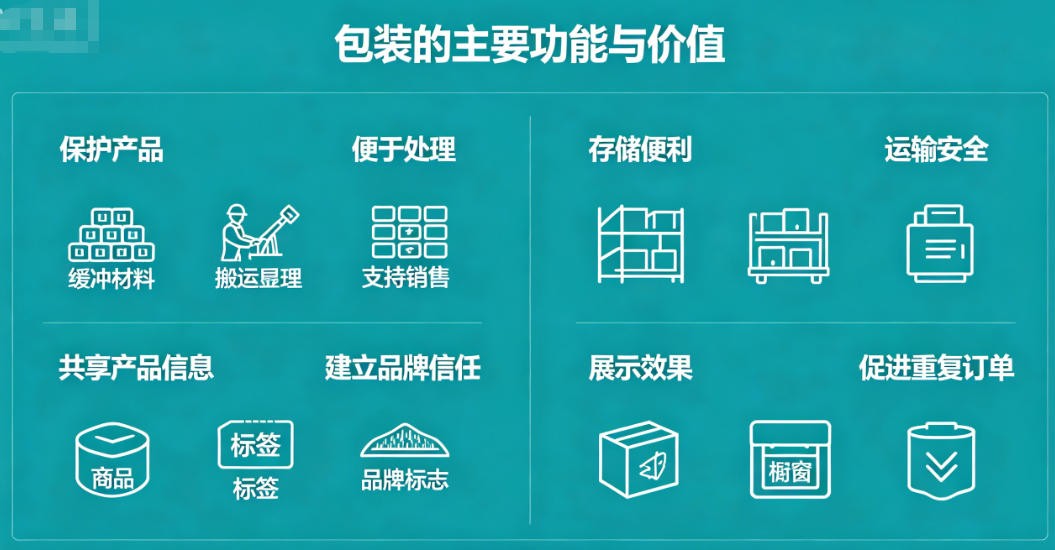
When I talk with buyers in printing, paper converting, and bookbinding, I notice one simple truth. Packaging is not only a cover. It is a working part of the product. It protects value before sale, during shipment, and after delivery. I have seen a strong box save a premium item, and I have seen a weak one ruin a good order. That is why I always treat packaging as both a protection tool and a business tool. If a reader keeps going, I want to show not only what packaging does, but also how I connect that purpose to real box and hard cover machines from my site.
What is the main purpose of packaging and boxes?
I often hear buyers treat boxes as containers. Then they face damaged goods, weak shelf impact, and more returns. That is when the box job becomes clear.
The main purpose of packaging and boxes is to protect the item and make it easier to move, store, display, and sell. A good box also adds value because it improves presentation and buyer confidence.
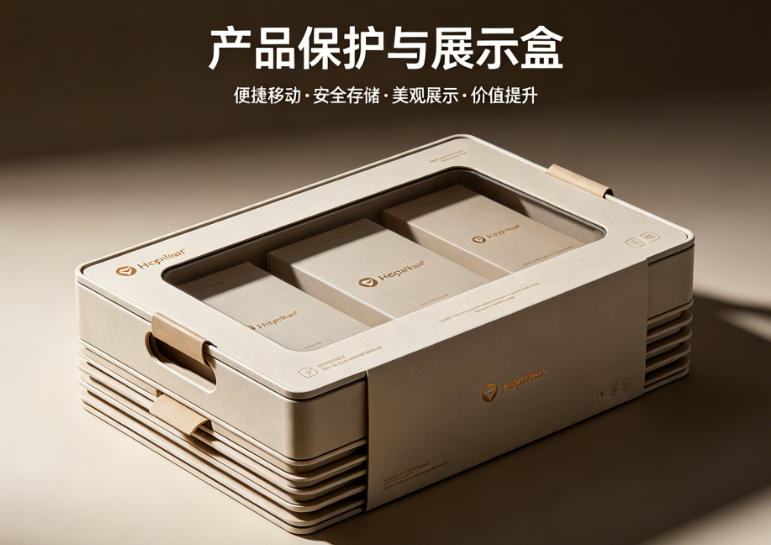
When I talk about boxes, I do not mean only putting a product inside paperboard. I mean building a structure that keeps shape, protects edges, carries brand value, and gives a buyer a better first feeling. In my own work, I see rigid boxes do this very well for gift boxes, phone boxes, jewelry boxes, perfume boxes, and book-style boxes. A box must do more than look nice. It must survive transport, stack well, open well, and still show care at the end user side. That is why I always connect packaging purpose with machine choice.
| Box purpose | What I look for | Machine link I would show |
|---|---|---|
| Protect product | Strong forming and accurate wrapping | Auto rigid box machine |
| Add premium feel | Clean wrap, no bubbles, no wrinkles | Auto Rigid Boxes Machine 2025 version |
| Create functional closure | Safe and neat magnet closing | Fully auto magnet closure box machine |
| Handle box and cover work | Flexible positioning for more than one use | Dual-Purpose Positioning Machine |
If I were guiding a buyer from this article, I would ask them to open the machine pages above and compare their own box size, board thickness, output goal, and labor plan. Then I would ask them to send me their company name, country, email, WhatsApp, and product photos. That simple contact step helps me give a useful machine suggestion instead of a random quote.
What is the primary purpose of a packing list?
I have seen good shipments delayed because the goods were right but the document was wrong. That small paper can slow customs, receiving, and payment.
The primary purpose of a packing list is to show exactly what is inside a shipment. It helps the seller, buyer, warehouse, carrier, and customs team check quantity, item details, and missing pieces fast.
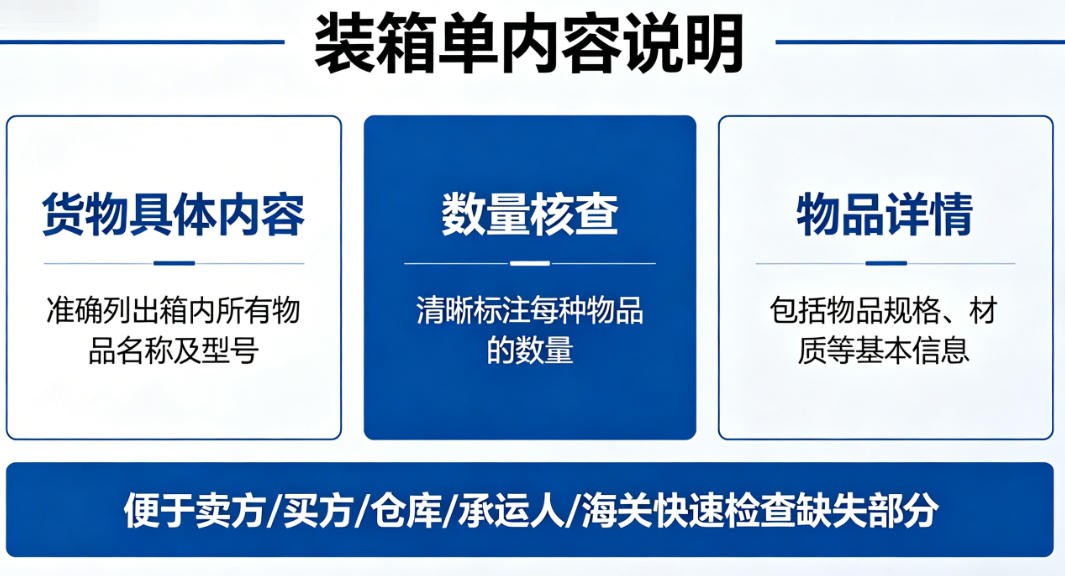
I see many people mix up packaging and packing lists, but they do different jobs. Packaging protects and presents the product. A packing list explains what is in the shipment. I treat it as the shipping mirror of the order. It helps the buyer receive goods faster. It helps the warehouse count cartons faster. It helps customs see what is being shipped. It also helps avoid claims later. I remember one export case where the box quality was fine, but the list missed an item code. That one line caused phone calls, delay, and stress. So I always say the packing list is simple, but it has real power.
| Packing list item | Why I include it |
|---|---|
| Product name and code | Helps the buyer match goods to the purchase order |
| Quantity | Helps receiving and stock check |
| Carton or pallet count | Helps loading and unloading control |
| Gross and net weight | Helps freight planning and customs review |
| Dimensions | Helps warehouse space planning |
| Marks and notes | Helps identify special handling |
When a buyer contacts me for a box machine or hard cover line, I also ask for a short inquiry list. I ask for box type, max and min size, material, sample photos, target speed, and shipping country. This is like a packing list for the machine inquiry. It saves time, and it helps me give the right advice. If a reader wants to move from article to action, I want them to leave those details with me together with their email or WhatsApp.
What is the purpose of packages?
I have watched strong products fail because the package felt cheap, messy, or hard to open. Buyers judge fast, and the package often speaks before the product does.
The purpose of packages is to contain, protect, inform, and present the product in a usable form. A package also supports transport, shelf display, customer experience, and brand memory.
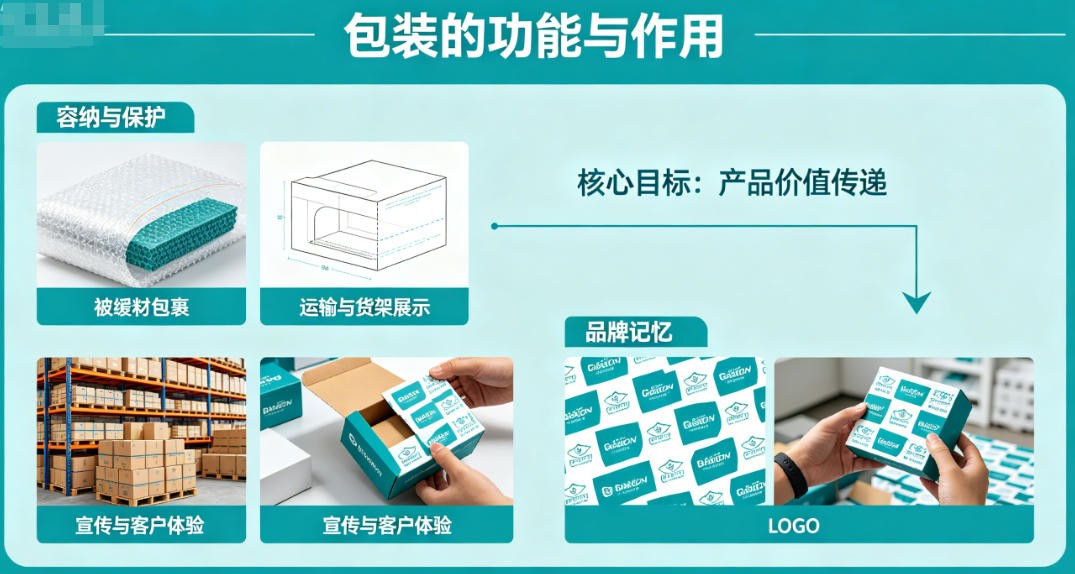
I like the word “packages” because it is wider than “boxes.” A package can be a rigid box, a hard cover case, a magnet closure gift box, or a finished book cover around a book block. In each case, I ask the same question: what job does this package need to do for the user and for the business? In B2B work, the answer usually includes product safety, smooth handling, clean appearance, clear information, and steady repeat quality. For book-related products, the package can also be the product itself. A hard cover book case protects pages, shapes the spine, and makes the book look complete and sale-ready.
| Type of package | Main job | Product page I would show |
|---|---|---|
| Rigid gift box | Protect and add premium value | Auto rigid box machine |
| Magnet closure box | Protect and improve opening feel | Fully auto magnet closure box machine |
| Hard cover case | Protect book block and improve finish | Ky-380 Hard Cover Making Machine |
| Finished hardcover assembly | Join cover and book block well | Book Casing in machine |
I often tell customers that a package has to work in three moments. It has to work in production, so it can be made with stable quality. It has to work in shipping, so it reaches the buyer safely. It has to work at first touch, so the customer feels trust. If any one of those moments fails, the package loses its purpose. That is why I do not separate design from machinery when I speak with serious buyers.
What are the 6 main reasons for packaging a product?
I like to break packaging into clear reasons because many teams mix design, logistics, and sales into one word. That makes buying decisions slow and expensive.
The six main reasons for packaging are protection, containment, transport, information, marketing, and convenience. When I evaluate a box line, I use these six points because they connect directly to cost and customer value.
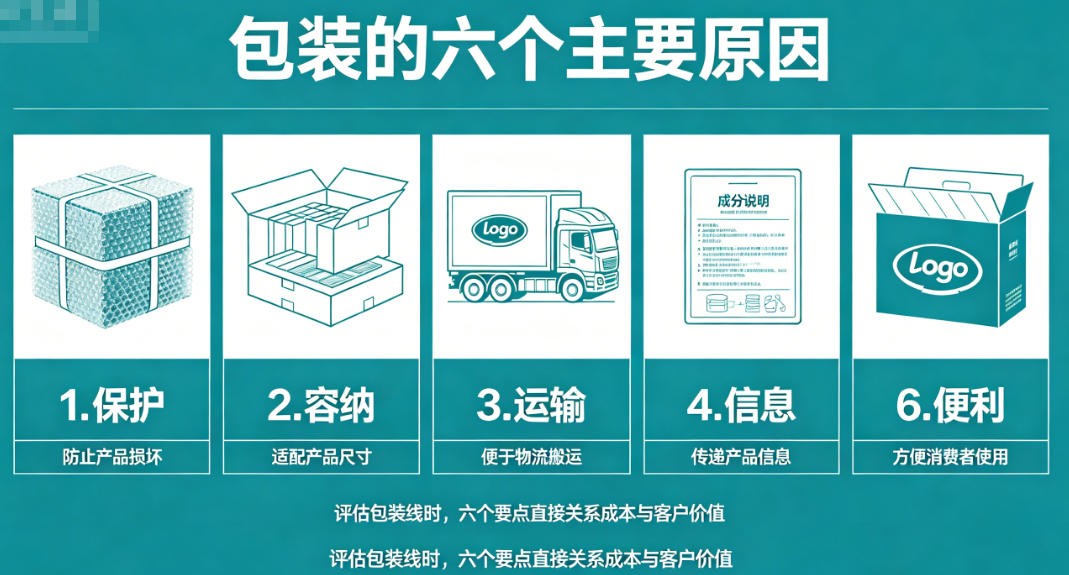
I use these six reasons as a simple check table when I speak with factories. First is protection. If the product is damaged, the rest does not matter. Second is containment. The product needs a stable structure and a correct fit. Third is transport. The package must move well through storage, loading, shipping, and delivery. Fourth is information. The buyer, warehouse, and customs team need clear product data. Fifth is marketing. The package must help the product look trustworthy and worth the price. Sixth is convenience. The package should open, stack, store, and use easily. These six reasons help me move from vague ideas to machine decisions.
| Reason | What it means in real work | Machine or solution I would suggest |
|---|---|---|
| Protection | Reduce damage, dust, pressure, and edge wear | Auto rigid box machine |
| Containment | Hold the product in the right shape and size | Auto Rigid Boxes Machine 2025 version |
| Transport | Support safe handling and shipping | Dual-Purpose Positioning Machine |
| Information | Support correct shipment and order control | Packing list and carton marks |
| Marketing | Build premium look and brand value | Fully auto magnet closure box machine |
| Convenience | Make opening and use easier for the customer | Ky-380 Hard Cover Making Machine |
If I want this article to bring real inquiries, I need to make the next step easy. So I would invite readers to send me five things: their product type, box size range, board and paper details, daily output target, and shipping country. Then I would ask for their name, company, email, and WhatsApp. That gives me enough to guide them to the best machine page and the right quote path, instead of sending them into a long product list alone.
Conclusion
I see packaging as protection first and business value next. When both work together, products travel better, sell better, and bring better buyers back.

发表回复