

Are corrugated boxes more reliable?
Struggling with damaged goods during shipping? It's a costly problem. You need a packaging solution that protects your products, ensuring they arrive safely without increasing your expenses.
For shipping and logistics, corrugated boxes are exceptionally reliable. Their multi-layer construction, featuring a fluted inner medium, provides excellent cushioning and strength. This structure absorbs impacts and protects contents, making it a go-to choice for transporting goods securely and cost-effectively.
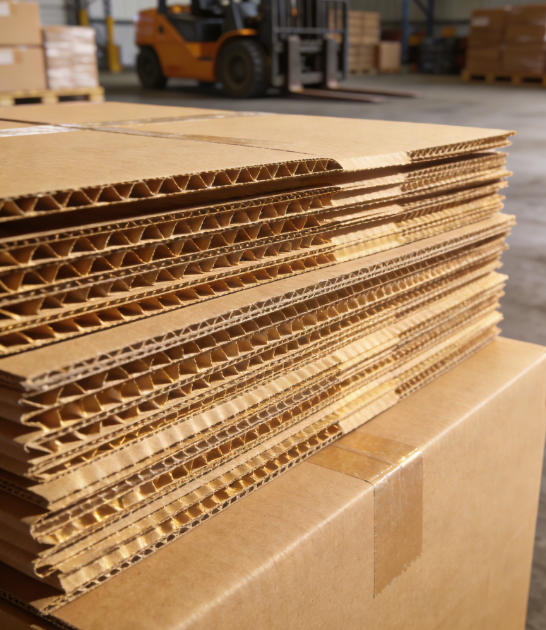
I’ve been in the packaging machinery business since 2003, and I’ve seen how vital the right shipping container is. While my focus at Kylin Machine is on equipment for high-end rigid boxes, I know that almost all of those premium boxes end up inside a corrugated shipper for their final journey. Understanding the strengths and weaknesses of corrugated material is fundamental to creating a successful packaging strategy. Let's explore this further.
What are the disadvantages of corrugated boxes?
Worried that corrugated boxes might not suit all your needs? Their plain appearance and vulnerability to moisture can be a real problem for premium products that require a better presentation.
Corrugated boxes are not ideal for luxury branding or direct water exposure. Their primary focus is on protection, not high-end aesthetics. They can also be bulky, taking up significant storage space before they are assembled and used for shipping products.
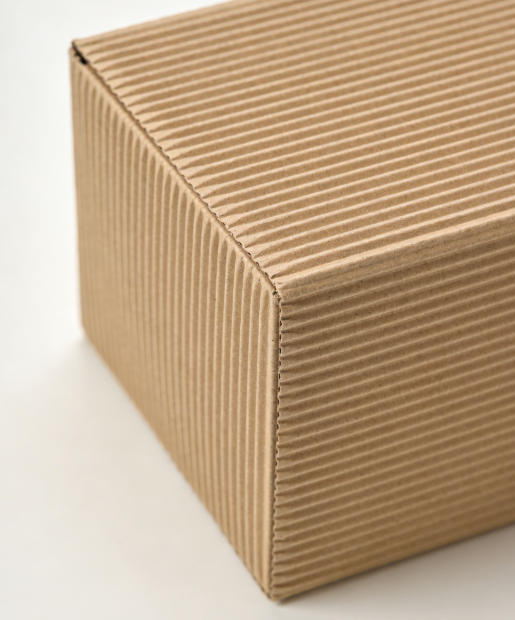
While corrugated boxes are the workhorse of the shipping world, they do have their limits. Their resistance to moisture is low, and if they get wet, their structural integrity can be compromised quickly. This is a significant risk for products sensitive to humidity. Aesthetically, they don't offer a premium unboxing experience. The brown, utilitarian look doesn't convey luxury. For my clients in the high-end electronics or cosmetics industries, the product's immediate packaging needs to impress. This is where a rigid box, made with one of our machines like the Robotic Spotter, excels. The rigid box provides the premium feel, and the corrugated box provides the transit protection.
| Disadvantage | Description |
|---|---|
| Moisture Sensitivity | Absorbs water, weakening the structure. |
| Limited Aesthetics | Not suitable for luxury product presentation. |
| Bulky Storage | Can require significant warehouse space. |
| Printing Quality | Lower resolution printing compared to other materials. |
What are the advantages of corrugated boxes?
Searching for a cost-effective and protective packaging solution? High packaging costs can eat into your profits, and product damage is a constant worry that you need to address.
Corrugated boxes offer outstanding protection at a low cost. They are lightweight, which reduces shipping fees, and are made from recyclable materials, making them an environmentally friendly choice for your business. Their strength-to-weight ratio is simply unmatched for most shipping applications.

The primary advantage of corrugated boxes is their incredible structural design. The fluted layer, sandwiched between two liners, creates a durable cushion that protects goods from the bumps and drops inherent in any supply chain. This design provides high strength while keeping the material lightweight, which is a huge factor in managing shipping costs. At Kylin Machine, we advise our customers to think about the entire packaging journey. A beautiful rigid box is essential for the brand experience, but it needs a reliable outer shell for transport. Corrugated is the perfect partner for this. It's also incredibly versatile and can be manufactured in countless shapes and sizes to fit almost any product. Furthermore, its high recycled content and recyclability make it a sustainable choice that resonates with today's eco-conscious consumers.
| Advantage | Description |
|---|---|
| Protection | Excellent cushioning absorbs shock and impact. |
| Cost-Effective | Low material and shipping costs. |
| Lightweight | Reduces freight expenses without sacrificing strength. |
| Sustainable | Often made from recycled materials and is recyclable. |
Are corrugated boxes better?
Feeling confused about whether corrugated is the "best" choice? With so many packaging options available, it's easy to feel uncertain if you're making the most effective decision for your brand.
"Better" depends entirely on the application. For shipping and protection, corrugated is superior. For luxury presentation and a premium unboxing experience, a rigid box is the better choice. Often, the best solution involves using both types of packaging together.

There is no single "best" packaging, only the best for a specific purpose. Think of it as a two-step process. The first step is presenting your product to the customer. This is where a rigid box, with its sharp corners and high-quality finish, shines. Our Hybrid machines are designed to create these complex, impressive structures. The second step is getting that beautifully packaged product safely to the customer. That's the job for a corrugated box. It's the tough, reliable outer layer that takes the hits so the primary packaging doesn't have to. So, one isn't better than the other; they are partners in a complete packaging strategy. One sells the product, and the other ensures it arrives intact.
What is the difference between Kraft and corrugated boxes?
Confused by packaging terms like "Kraft" and "corrugated"? Using the wrong terminology can lead to ordering the wrong product, wasting both time and money on an unsuitable solution.
Kraft is a type of paper, while corrugated refers to a structure. A corrugated box is made of multiple layers, often including Kraft paper, with a fluted sheet in the middle. Kraft paper itself is just a single, strong sheet of paperboard.
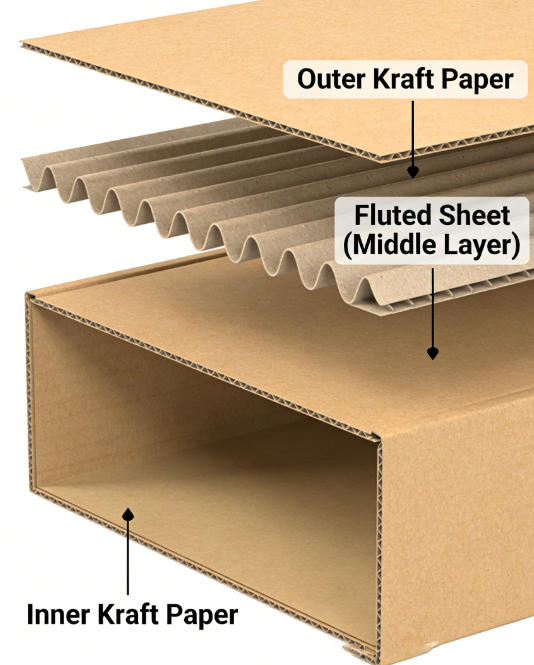
Let's clear this up, as it's a common point of confusion. Kraft paper, named after the German word for "strength," is a durable paperboard made from wood pulp. It's known for its tear resistance and is often used as the linerboard (the flat outer and inner layers) in corrugated board. The term "corrugated," however, describes the final, engineered material. It consists of three or more layers: an inside liner, an outside liner, and the fluted medium in between. So, a corrugated box is a product constructed from corrugated board, which itself is often made using Kraft paper. You can have a simple box made from a single layer of Kraft paperboard, but it won't have the cushioning and stacking strength of a true corrugated box.
| Feature | Kraft Paper | Corrugated Board |
|---|---|---|
| Composition | Single layer of paperboard | Multi-layer structure with fluting |
| Primary Use | Liners, wrapping, simple bags | Shipping boxes, protective packaging |
| Strength | Good tear resistance | Excellent cushioning and stacking strength |
| Structure | Flat sheet | Engineered composite material |
Conclusion
In summary, corrugated boxes are a reliable, cost-effective choice for shipping. For premium presentation, however, combining them with high-quality rigid boxes creates the perfect packaging solution for your products.

发表回复