

How do you organize your jewelry box?
Are your favorite necklaces tangled and your earrings missing their match? It's a frustrating start to the day. A well-organized jewelry box can save you from this daily headache and keep your precious items safe.
Organizing your jewelry box is about creating a system that works for you. Use dividers for small items like rings and earrings, hooks for necklaces to prevent tangling, and trays for easy access to your most-worn pieces. This simple setup keeps your jewelry safe, untangled, and easy to find.
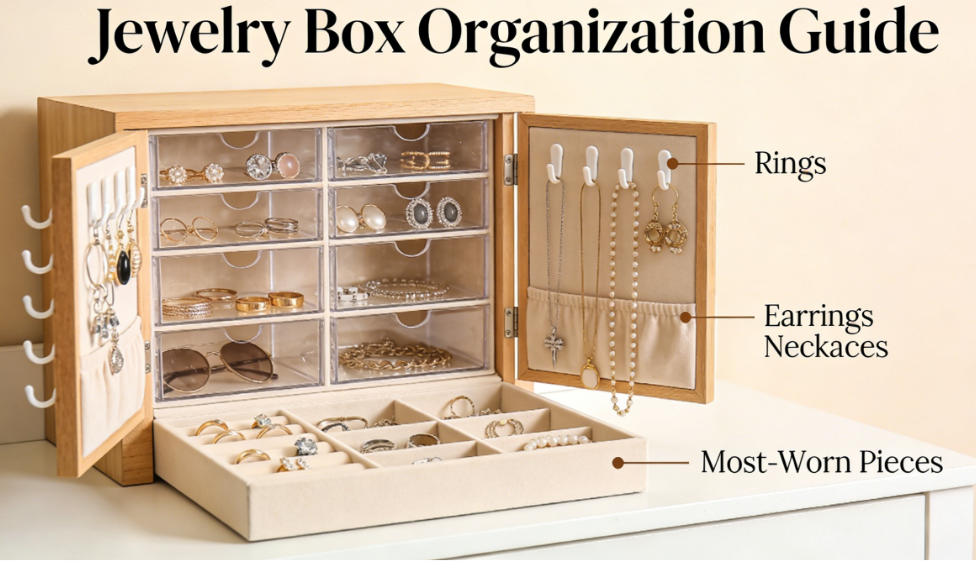
Now that you have a basic idea, let's get into the details. A perfectly organized jewelry box is not just about tidiness; it's about preserving your precious items. Let's explore how to make that happen so you can enjoy your collection to the fullest.
How to arrange jewellery in a jewellery box?
Struggling to fit all your jewelry in one box? It can feel impossible to keep everything neat and accessible. But there's a simple method to bring order to the chaos and make finding your favorite pieces a breeze.
Arrange your jewelry by type. Group necklaces, rings, bracelets, and earrings separately. Use the built-in compartments for each category. This simple sorting makes finding the right piece quick and easy, and it prevents damage from items rubbing against each other.
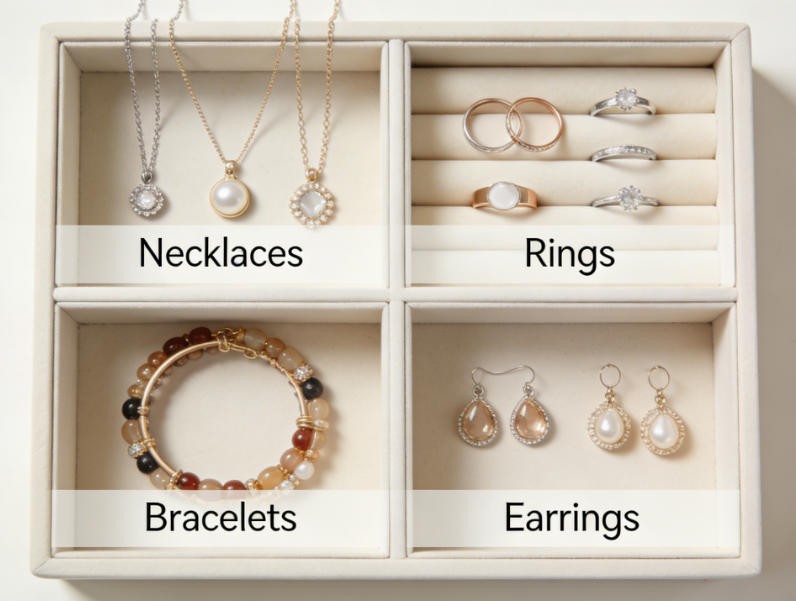
To go a step further, you can organize by how often you wear things.
Categorization is Key
- By Type: As I mentioned, group similar items. All necklaces together, all rings together, and so on. This is the most intuitive first step and the foundation of an organized box.
- By Frequency of Use: Keep your everyday jewelry in the most accessible part of the box, like the top tray. Special occasion pieces can be stored in lower compartments where they stay safe.
- By Style or Color: If you have a large collection, you might want to organize by metal type (gold, silver, rose gold) or by color. This is great for when you need to coordinate with a specific outfit.
Here's a simple table to illustrate the idea:
| Category | Location in Box | Reason |
|---|---|---|
| Everyday Wear | Top tray / easy access section | Quick to grab for daily use. |
| Necklaces | Hanging hooks / long compartments | Prevents tangling and knots. |
| Rings/Earrings | Small, divided compartments | Keeps them from getting lost or scratched. |
| Special Occasion | Lower drawers / separate pouches | Protects them and keeps them safe. |
This structured approach not only looks great but also protects your jewelry from damage. Speaking of boxes, the quality of the box itself matters a lot. A well-made jewelry box, which is often a type of rigid box, provides the best protection. Our machines, like the Fully Automatic Box Folding Machine, are what create these beautiful and sturdy boxes for many brands you might already love.
What is the 2:1:1 rule in jewelry?
Have you heard of the 2:1:1 rule but aren't sure what it is? It might sound like a complicated formula, but it's actually a simple guideline to help you elevate your style and keep your look balanced and chic.
The 2:1:1 rule is a styling guideline, not an organization rule for your box. It suggests wearing two bracelets, one necklace, and one ring to create a balanced, curated look without over-accessorizing. It's a great starting point for your daily wear.
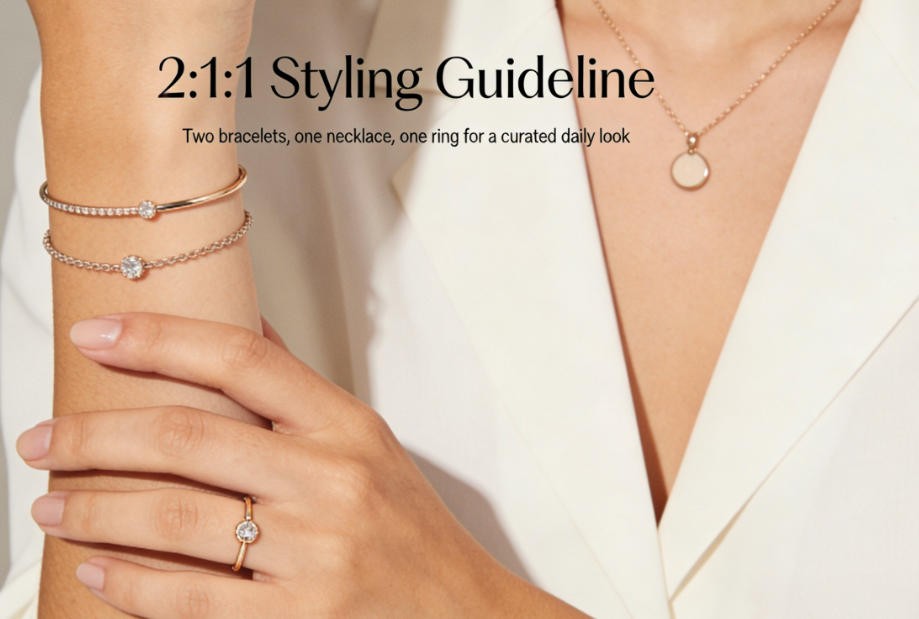
The 2:1:1 rule is all about achieving a polished look effortlessly. It's a modern way to think about accessorizing that prevents you from looking cluttered.
Breaking Down the 2:1:1 Rule
- Two Bracelets: This can be a stack of two delicate bracelets or one statement bracelet paired with a simpler one. It adds a nice bit of interest to your wrist.
- One Necklace: A single necklace, whether it's a statement piece or a simple chain, acts as a focal point for your outfit.
- One Ring: One ring, which could be a bold cocktail ring or a simple band, completes the look without being overwhelming.
Of course, rules are made to be broken. This is just a guide to get you started. You can adapt it to your personal style and the occasion. For example:
| Occasion | Adaptation of 2:1:1 |
|---|---|
| Casual Day | 2 simple bracelets, 1 pendant necklace, 1 band ring. |
| Office | 1 watch + 1 bracelet, 1 delicate necklace, 1 simple ring. |
| Evening Out | 1 statement bracelet + 1 thin one, 1 layered necklace set (counts as one), 1 cocktail ring. |
Having an organized jewelry box makes following this rule (or breaking it) much easier. When you can see all your pieces clearly, you can mix and match to create the perfect 2:1:1 combination for any occasion. The beautiful boxes that hold these treasures are often made with precision machinery, like our Ky-380 Hard Cover Making Machine, which is perfect for creating high-quality custom boxes that last.
What is the best way to organize a lot of jewelry?
Is your jewelry collection overflowing its current box? It's a good problem to have, but it can quickly lead to a tangled, frustrating mess. There's a better way to manage a large collection so you can enjoy every piece.
For a large jewelry collection, think vertically and use modular systems. Use hanging organizers for necklaces, stacked trays for bracelets and rings, and clear-lidded boxes for earrings. The key is to make everything visible and accessible, so you actually wear what you own.
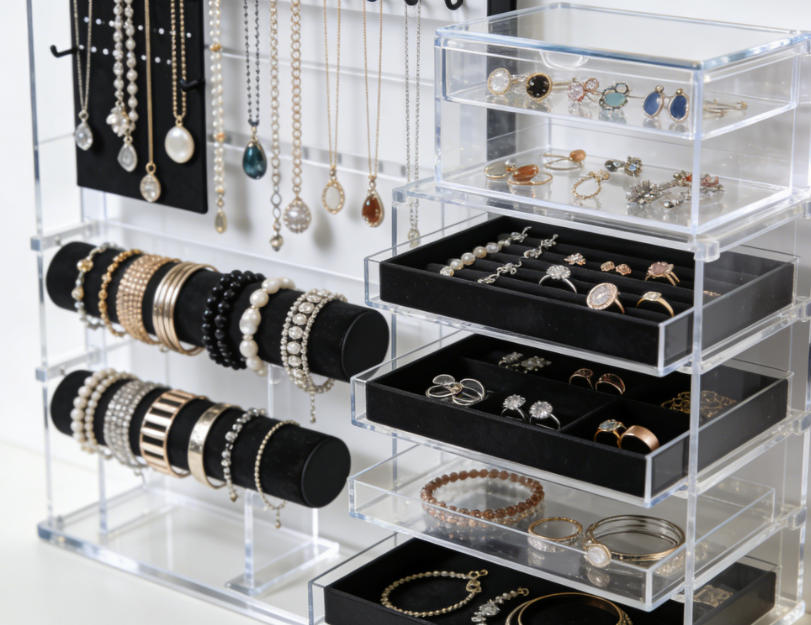
When you have a lot of jewelry, a single box just won't cut it. You need a more comprehensive system to keep things in order.
Strategies for Large Collections
- Go Vertical: Use wall-mounted organizers or hanging jewelry armoires. This saves valuable dresser space and is the best way to keep necklaces from tangling.
- Modular Trays: Invest in stackable trays with different compartment layouts. You can customize them to your collection and add more trays as it grows. You can find these to fit in drawers or to sit on a dresser.
- Think Visually: Use clear acrylic boxes or trays so you can see everything at a glance. My rule is, if I can't see it, I won't wear it.
- Separate by Category: Dedicate entire drawers or sections to one type of jewelry. For example, have one drawer for all your bracelets and another just for earrings.
Here's a breakdown of some of the best solutions:
| Jewelry Type | Best Solution for Large Collections | Why it Works |
|---|---|---|
| Necklaces | Wall-mounted hooks or hanging armoire | Prevents tangling, makes them easy to see. |
| Bracelets | Stackable trays or cuff/watch holders | Keeps them organized and prevents scratching. |
| Earrings | Slotted foam inserts or clear compartment boxes | Prevents losing pairs and makes them easy to grab. |
| Rings | Ring rolls or slotted trays | Keeps them secure and visible. |
Creating custom storage solutions is also a great option. Many high-end brands package their products in beautiful rigid boxes that you can repurpose for storage. These high-quality boxes are made using specialized equipment like our Book press machine which ensures a perfect, durable finish that protects what's inside.
What goes where in a jewelry box?
Opening a new jewelry box for the first time can be a little confusing. What are all those little compartments and tiny pillows for? Don't just throw your things in; there's a logic to the layout that's designed to protect your jewelry.
Long compartments are for necklaces to prevent tangling. Small, square sections are for earrings and rings. The top tray is for your frequently worn items. Deeper drawers can hold chunky bracelets or watches. Use the layout to your advantage to keep things safe.
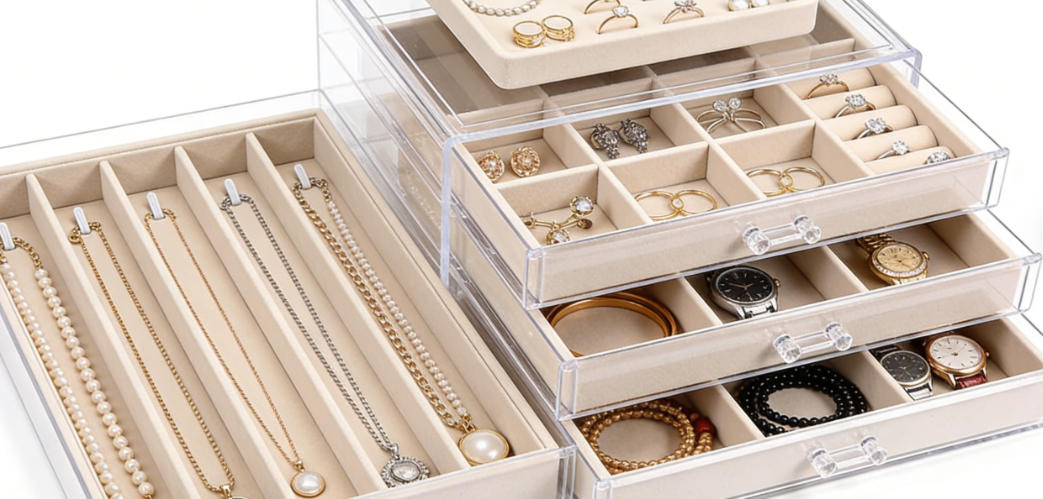
A well-designed jewelry box has a specific purpose for each section. Understanding this helps you use it effectively and keep your pieces in great condition.
Anatomy of a Jewelry Box
- Top Lid/Tray: This is the prime real estate of your jewelry box. It often has ring rolls, small compartments for your daily earrings, and sometimes a mirror. Use it for the pieces you reach for most often.
- Side Doors/Wings: Many larger boxes have side doors with hooks. These are made exclusively for necklaces. Hanging them is the best way to prevent a tangled mess.
- Drawers:
- Shallow Drawers with Dividers: These are perfect for bracelets, brooches, and larger earrings.
- Deep, Open Drawers: These are ideal for bulky items like statement necklaces, watches, or even sunglasses.
- Small, Square Compartments: These are designed to hold pairs of earrings or individual rings securely.
Here’s a quick guide to remember:
| Jewelry Box Section | What to Store There |
|---|---|
| Ring Rolls | Rings |
| Small Compartments | Earrings, small pendants |
| Long Compartments/Hooks | Necklaces, delicate bracelets |
| Open Trays/Drawers | Bracelets, watches, chunky pieces |
The structure of a jewelry box is designed to protect your collection. The soft lining prevents scratches, and the dividers stop items from knocking into each other. The sturdy exterior, often a rigid box, provides the ultimate protection from dust and damage. Our machines, like the Book head tail band machine, are used to add those beautiful finishing touches that make a box feel luxurious and special.
Conclusion
Organizing your jewelry box is simple once you have the right system in place. Categorize your pieces, use the compartments wisely, and your treasures will stay safe, untangled, and ready to wear.

发表回复