How Much Does It Cost to Make a Custom Cardboard Box?
I know the pain of pricing custom boxes. A small mistake can waste board, labor, and profit before the first order even starts.
I find that a custom cardboard box can cost from a few cents to several dollars each, based on size, board grade, print, finish, insert style, and order volume. Tooling and machine speed also change the real cost.
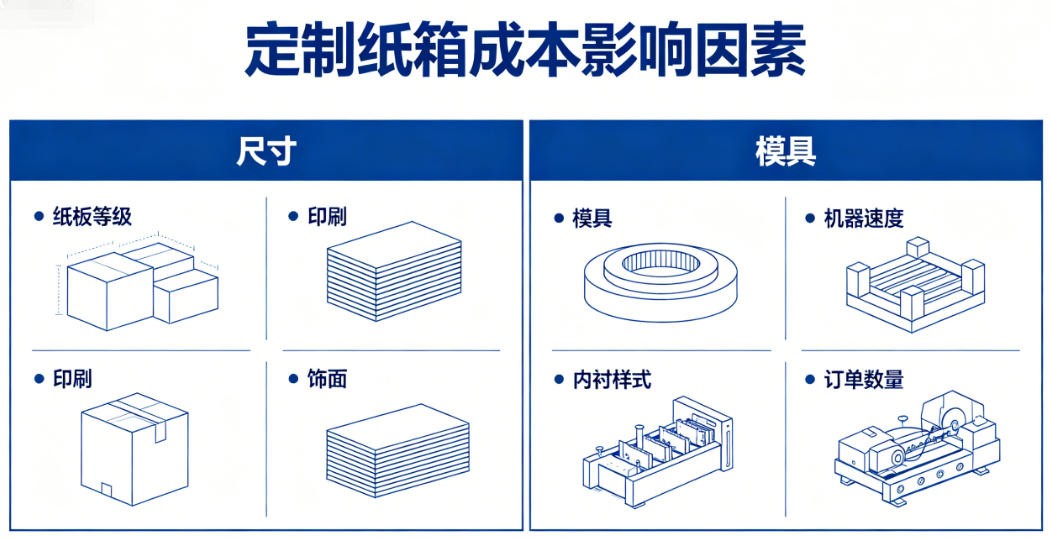
When I talk with packaging buyers, I see the same problem again and again. They want a strong box, a clean look, and a safe cost. They also want a supplier who can move fast. That is why I always break the topic into material, structure, production method, and machine choice. Once I do that, the price starts to make sense, and the next buying step feels much easier.
Are Cardboard Boxes Good for Custom Beard Oil Boxes?
I often see beard oil brands pick the wrong box first. Then they face leaks, weak corners, or a shelf look that feels too cheap.
Cardboard boxes can be very good for custom beard oil boxes if I choose the right board thickness, insert, print finish, and box style. For premium beard oil, rigid cardboard boxes often give better protection and a stronger brand image.
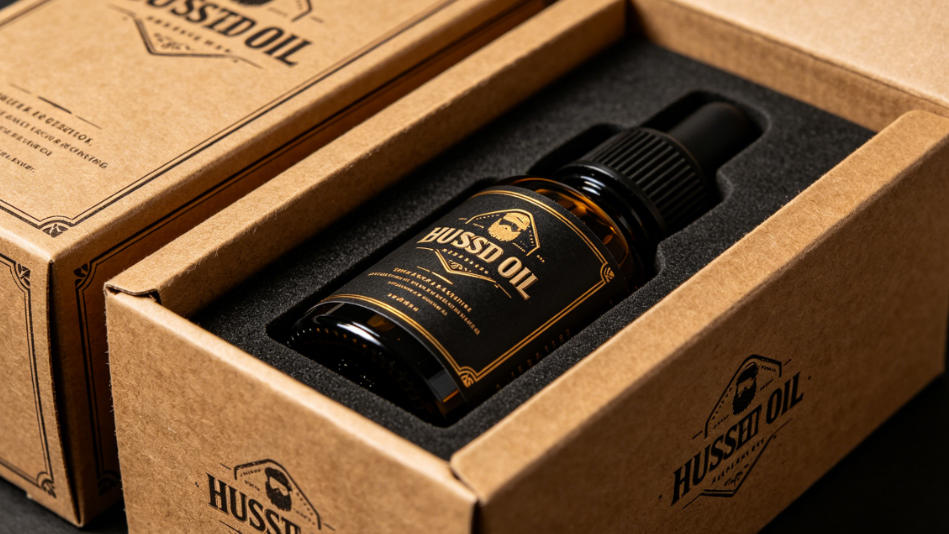
When I think about beard oil packaging, I first think about the bottle. Most beard oil comes in glass. Glass looks premium, but glass also breaks. That means the box cannot be an afterthought. If I am packing sample-size beard oil for mass retail, folding cartons may work well. They keep cost lower. They ship flat. They print well. Still, if I am serving luxury grooming brands, I usually move toward rigid box styles because the unboxing feel is much stronger.
I also ask how the product will sell. If the beard oil will sit in a gift set, I want a box that feels firm in the hand. If the product will ship in e-commerce, I need room for inserts and less movement inside. I have seen simple improvements lift the whole result. A better insert can stop breakage. A better wrap can lift the shelf image. A better edge fold can make the box look clean from every angle.
Here are product pages I would show to a beard oil box buyer on Kylin Machine:
| Need I am solving | Product link | Why I would show it |
|---|---|---|
| Main rigid box production | Auto Rigid Boxes Machine 2025 version | I use this for premium rigid box output and stable size control |
| High-end rigid box automation | Fully Auto Rigid Box Machines | I suggest this when a factory wants speed and less manual work |
| Clean folding result | Fully Automatic Box Folding Machine | I like this for neat paperboard folding and better line efficiency |
| Better box surface finish | Large Box Pressing Machine | I use this to reduce bubbles and improve the final box look |
If I wanted leads from this page, I would invite readers to ask for a box sample plan, bottle size check, and machine advice. I would make it easy. I would say: Contact me, Jacob from Kylin Machine, at postpressmachines.com, email sales@kylinmachines.com, or call +86-13809820550. That simple step often turns interest into a real project.
Can I Bring Beard Oil on a Plane?
Many buyers ask me this because travel kits sell well. If I design the wrong pack, the customer gets stopped, annoyed, or forced to throw it away.
Yes, I can usually bring beard oil on a plane if the container follows airline liquid rules. For carry-on travel, beard oil normally must fit the liquid size limit and go inside the clear liquids bag.
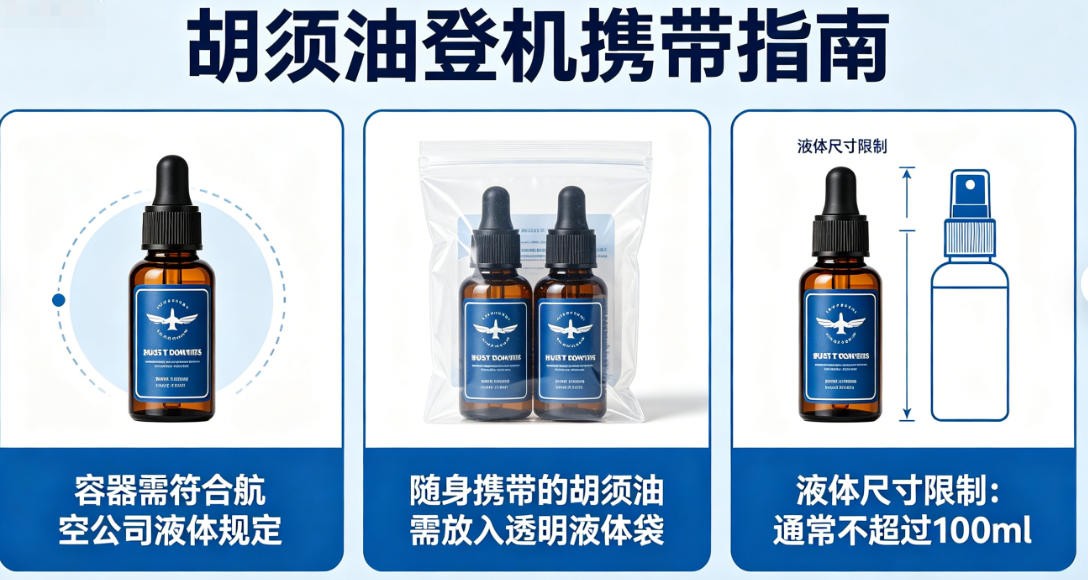
When I help customers think about beard oil packaging, I do not only think about the box. I also think about the use case. Travel is one of the best use cases. Men buy beard oil for daily care, but they also want a bottle they can take on trips. That changes both bottle size and box design. If I know the product may be sold as a travel item, I push for a compact box, clear size marking, and insert support so the bottle stays in place.
I also think about retail messaging. A beard oil box that says "travel size" or "carry-on friendly" can help buyers decide faster. I have seen brands win with very simple packaging changes. They add a clean size callout. They add ingredient highlights. They keep the carton small but still strong. That makes the product easy to understand.
From a production side, smaller beard oil boxes can be efficient if the die line is smart and the folding is stable. That is where machine choice matters again. If I want volume, I need consistent feeding, folding, spotting, and pressing. If I want a gift-style travel pack, I may use rigid setup boxes with inserts. If I want a fast-moving retail SKU, I may stay with printed cartons and efficient finishing.
Here is how I would break it down for a buyer:
| Travel concern | What I would do in packaging |
|---|---|
| Carry-on liquid limit | I would design for small bottle sizes |
| Leakage risk | I would add bottle support or insert fit |
| Easy retail choice | I would print size and use case clearly |
| Good travel look | I would keep the box compact and neat |
When readers land on my site from this topic, I want them to see that I understand both packaging and product use. That keeps them reading. Then I lead them to the machine pages that help them make those boxes at scale.
What Is the Difference Between a Carton Box and a Cardboard Box?
I hear these words used like they mean the same thing. Then projects go wrong because the buyer and maker picture two very different boxes.
A carton box usually means a lighter folding paperboard box, while a cardboard box can be a broader term for many paper-based boxes, including stronger corrugated or rigid styles. The exact meaning depends on industry use.
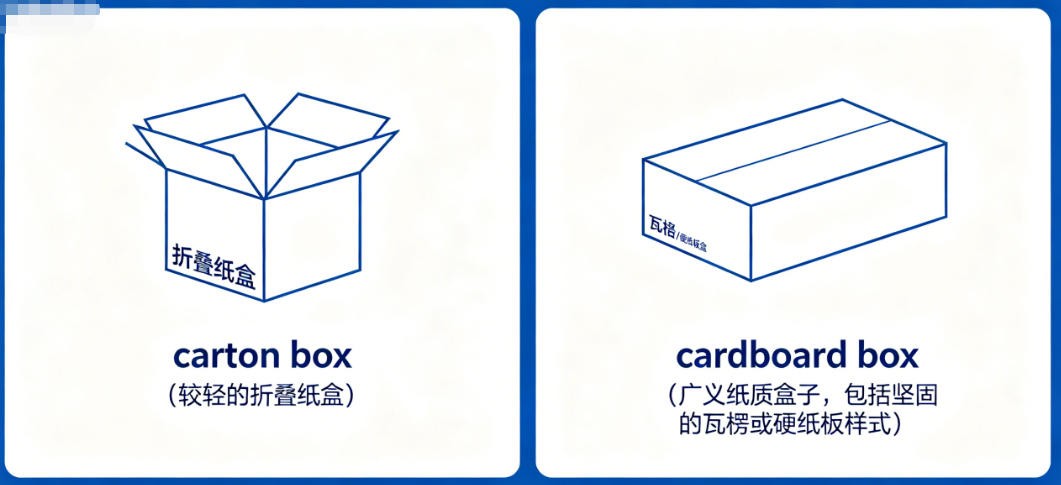
When I explain this to customers, I keep it simple. In daily talk, many people say "cardboard box" for almost everything made from paper board. In packaging work, I try to be more exact. If I say folding carton, I mean a box made from paperboard that ships flat and folds into shape. If I say rigid box, I mean a thicker setup box that does not fold flat and usually feels premium. If I say corrugated box, I mean a shipping box with a fluted layer that adds strength.
This matters a lot for beard oil boxes. A folding carton works if the goal is lower unit cost and clean print. A rigid cardboard box works if the goal is gift value and premium brand feel. A corrugated shipper may be needed outside the retail pack for transport safety. So when someone asks me, "Do I need a carton box or a cardboard box?" I answer with another question: "What job must the box do?"
I also tie that answer to machines. Different structures need different workflows. Spotting, wrapping, folding, pressing, and corner forming all matter in different ways. That is why I often guide customers to the right production path before I ever discuss a final quote.
| Box type | How I describe it | Best use I see |
|---|---|---|
| Folding carton | Light paperboard box, ships flat | Regular beard oil retail pack |
| Rigid cardboard box | Thick premium setup box | Gift sets and luxury beard oil |
| Corrugated box | Shipping-strength transport box | Outer carton for bulk delivery |
If a buyer is not sure where to start, I send them to Kylin Machine and ask for three things: bottle size, target market, and monthly volume. That gives me enough to suggest the right structure and the right machine route.
What Should a Good Beard Oil Contain?
Many beard oil brands chase trends. Then the formula feels weak, greasy, or hard to trust, and the package alone cannot save the sale.
A good beard oil should contain carrier oils that soften hair and skin, plus a simple, safe formula that matches the user need. Common choices include jojoba oil, argan oil, sweet almond oil, and light fragrance or essential oils.
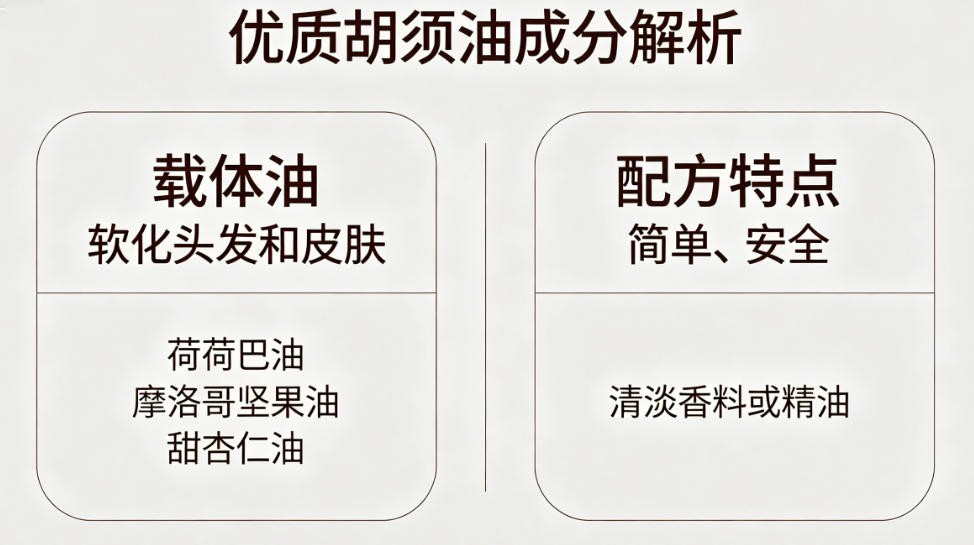
I am not a cosmetic chemist, but I know this much from working around packaging buyers: the best beard oil box works when the formula story is easy to tell. If the ingredient list is short, clear, and useful, the packaging message gets stronger. Buyers like words they know. They want oil that helps the beard feel soft. They want skin comfort. They want no heavy residue. So when I help think through packaging, I ask what claims need space on the box.
For me, a smart beard oil package balances three things. First, it protects the bottle. Second, it explains the product fast. Third, it supports trust. A premium rigid box can help with that trust. So can a clean carton with clear print. The format depends on price point and market position. If I am helping a startup beard oil brand, I may suggest a simple carton first. If I am helping a gift brand, I may push toward a rigid box with insert and foil details.
I also think about line efficiency. If the formula line expands into kits, combo packs, or premium sets, the packaging system should be able to grow too. That is why I like showing machine paths early. A customer who starts with one beard oil SKU may soon need boxes for balm, combs, or gift bundles. If the equipment can scale, the business can scale.
| Ingredient idea | Why buyers like it | Packaging note I would use |
|---|---|---|
| Jojoba oil | Light feel, skin friendly | Highlight daily use |
| Argan oil | Premium image, softening feel | Push luxury message |
| Sweet almond oil | Smooth beard feel | Stress comfort and care |
| Mild fragrance | Better user experience | Keep scent note clear on pack |
When I write or sell around this topic, I always connect the inside and the outside. A good beard oil needs a good formula. It also needs a box that protects it, presents it well, and helps it sell.
Conclusion
I believe the real cost of a custom cardboard box comes from material, structure, finish, and machine choice, and the best beard oil packaging balances protection, branding, and production speed.

发表回复