

Can you make a custom shipping box?
I know the pain. A plain box looks cheap, wastes money, and fails to sell the product before it is even opened.
Yes, I can make a custom shipping box by matching box size, structure, board, wrap, and finish to the product, shipping method, and order volume.
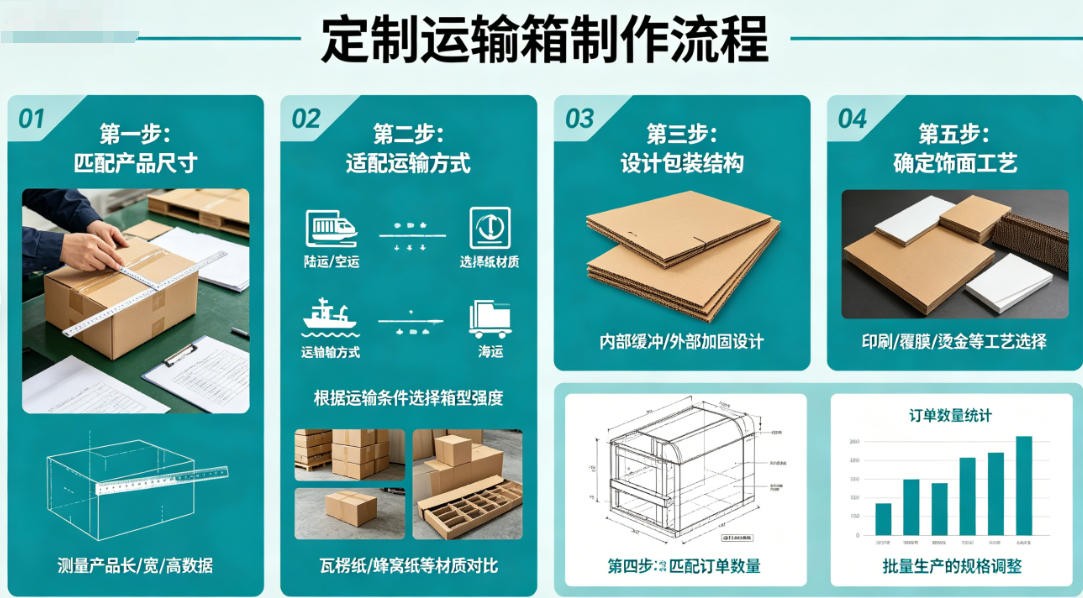
When I talk with packaging buyers, I see the same thing again and again. They do not just want a box. They want a box that protects the product, looks right, runs well in production, and still makes money. That is why I always start with the box goal first, and only then choose the machine, process, and finish.
Can you customize shipping boxes?
I have seen many buyers think “custom” means only printing a logo. Then they get the wrong box style and lose time and money.
In my work, custom shipping boxes mean custom size, shape, board, wrap, folding method, and finish, not only custom artwork.
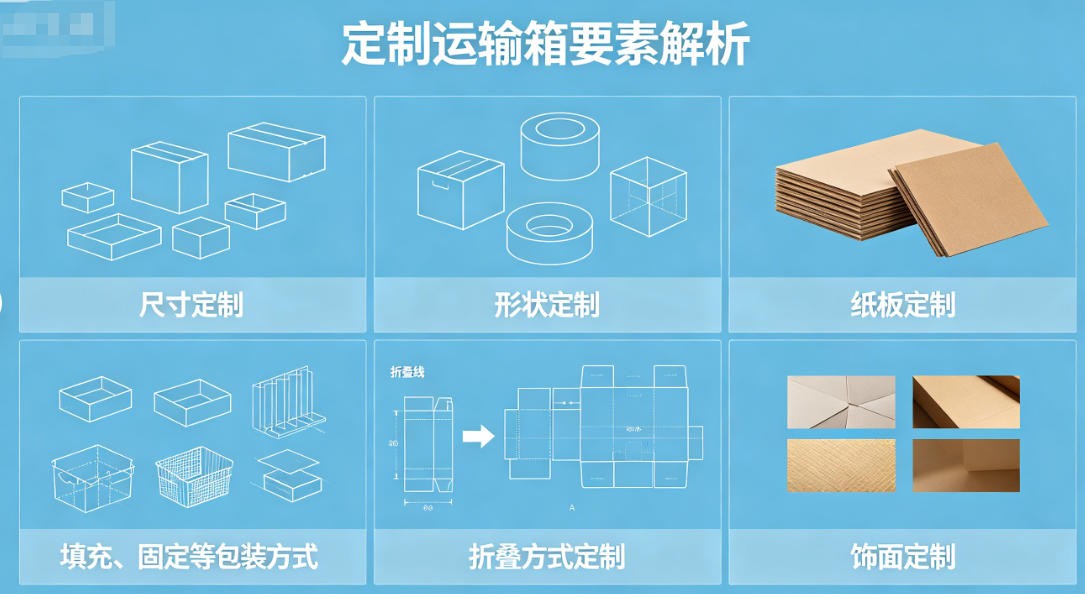
When I help a buyer plan a custom shipping box, I break the job into parts. I look at what the product is, how far it ships, how it is stacked, and what the brand wants the customer to feel when the box arrives. That is why I often point buyers to our Products page first. It helps them see the full path from forming to wrapping to finishing.
What I customize
I usually customize the box in five basic ways: size, board, cover material, box style, and finish. If the box must look premium, I may suggest the Semi Auto Rigid Box Machine for small and medium runs. If the buyer needs volume, I may move them to the Fully Auto Rigid Box Machine 2024, which is built for mass production.
What I ask first
| Item | Why I ask |
|---|---|
| Product size and weight | I need this to set box size and board strength |
| Shipping method | I use this to judge how much protection is needed |
| Order volume | I use this to choose semi auto or fully auto production |
| Surface look | I need this for wrap paper, foil, and texture choices |
| Budget target | I use this to keep the project realistic |
I have learned that the best custom box starts with clear data, not guesswork. If a buyer sends me their box size, target output, and photos, I can guide them much faster. I also ask for their name, company, email, and WhatsApp so I can send the right machine suggestion, sample advice, and a quick quote without wasting their time.
Can you decorate shipping boxes?
A plain shipping box can protect a product. Still, it often says nothing about the brand, and that is a missed chance.
Yes, I can decorate shipping boxes with foil, texture, print effects, and other finishes that make the box look stronger and more premium.
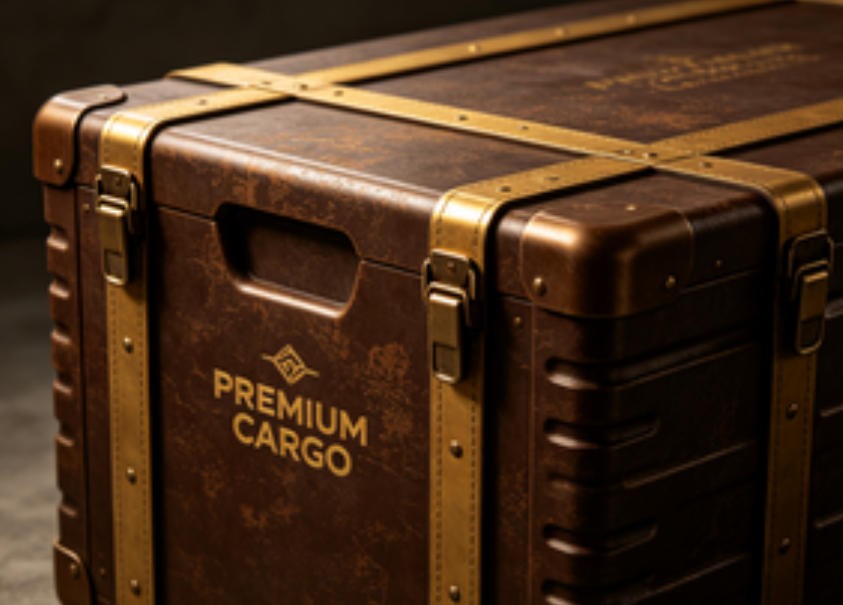
I often tell buyers that decoration should do one simple job. It should make the box easier to remember without making the production process hard. Some buyers want gold foil logos. Some want a clean matte wrap with one strong color. Some want a deep premium feel for gift, jewelry, cosmetic, or electronics packaging. In those cases, I usually show them the Pneumatic Hot Stamping Machine. It is a useful choice for logos, text, and pattern stamping on packaging and box decoration.
Common decoration options
I do not treat decoration as only “beauty.” I treat it as a selling tool. A better-looking box can support a higher selling price and a better first impression.
How I match finish to use
| Finish | Best use | What it adds |
|---|---|---|
| Foil stamping | Brand logo, short text | Premium look and strong shelf impact |
| Texture paper | Gift and luxury packaging | Better hand feel |
| Spot effect | Key brand area | Focus and contrast |
| Clean color wrap | E-commerce and brand series | Easy recognition |
| Embossed detail | Luxury packaging | Depth and visual value |
I always remind buyers that decoration must fit the production line. A great design that slows every step is not really great. That is why I like simple, repeatable finishing. If the buyer plans larger runs and wants more speed, I also discuss whether an automatic stamping setup will fit better later. The goal is not just to make one nice box. My goal is to help the buyer make the same good-looking box again and again with less waste and less rework.
How to customize packaging boxes?
Many people jump to artwork first. Then they find out the box structure, folding, or wrap process does not fit the product.
I customize packaging boxes by setting the structure first, then the material, then the finish, and only after that the production method.
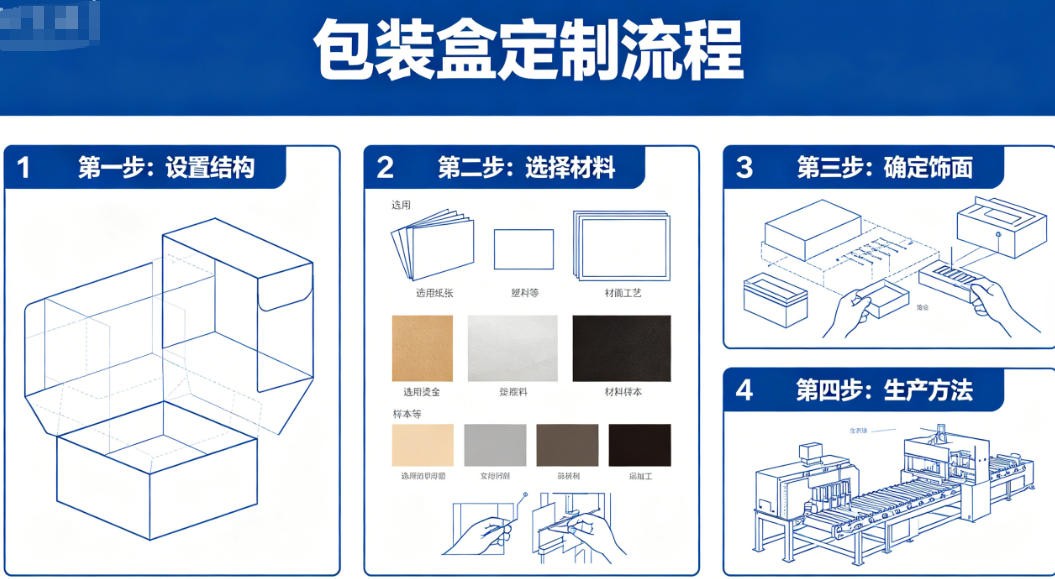
I use a simple order when I plan a packaging box. First, I confirm what the box must do. Does it need to survive shipping only? Does it need to feel like a gift box? Does it need a magnetic close, a lid and base, or a fold-flat design? After that, I choose the machine route. For crisp folding and stable output, I may suggest the Fully Automatic Box Folding Machine. For rigid premium boxes, I look at the Fully Auto Rigid Box Machine 2024. For sample work and early planning, I often share the Five Steps to Make Rigid Boxes page because it helps buyers understand the process in a clear way.
My usual workflow
I like to keep the process simple because simple steps are easier for buyers and easier for factory teams too.
My box planning list
| Step | What I decide | Result |
|---|---|---|
| 1 | Product use | Shipping box, gift box, or retail box |
| 2 | Box style | Lid-base, rigid, foldable, or special shape |
| 3 | Material | Board weight, wrap paper, glue type |
| 4 | Surface finish | Foil, color, texture, print effect |
| 5 | Production mode | Sample, semi auto, or full auto |
I also ask buyers to send a short requirement list before we go deep. I ask for box size, product photo, monthly quantity, target market, and any finish they like. I ask for contact details too, such as company name, email, and WhatsApp. This helps me give a useful reply, not a generic one. In my experience, a buyer gets better results when they share real production needs early. That saves days of back and forth.
Are custom shipping boxes worth it?
Some buyers fear custom boxes cost more and do not pay back. I understand that fear because bad packaging decisions can stay for a long time.
Yes, custom shipping boxes are worth it when they reduce damage, improve packing speed, lift brand value, and support repeat orders.
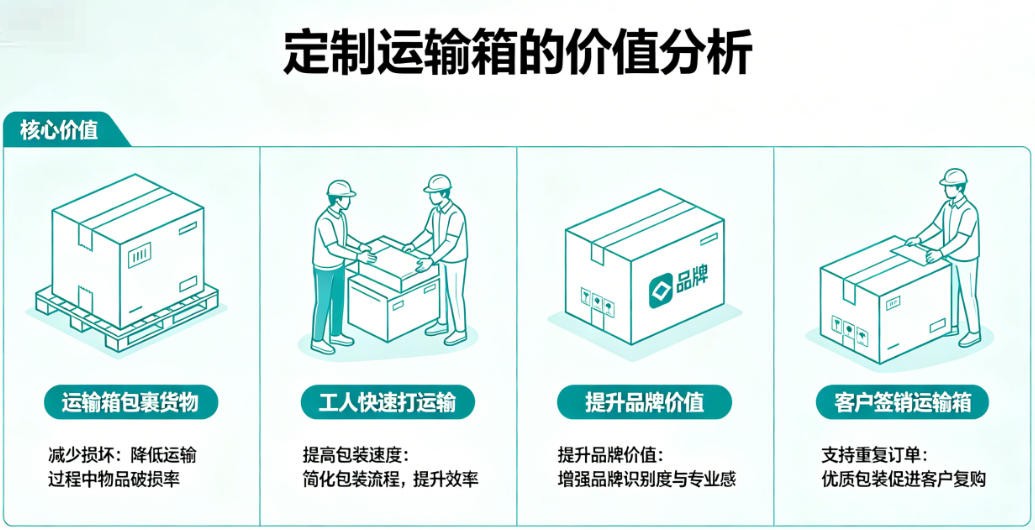
I have seen plain boxes win on short-term price and lose on total value. A weak box can damage goods. A badly sized box wastes fill material and shipping space. A dull-looking box can make a strong product feel cheap. So when I talk about value, I do not look at box price alone. I look at the full result. I look at labor, waste, rework, returns, and how the customer feels when the box arrives. That is why many serious buyers move from manual work to a stable production setup with machines like the Semi Auto Rigid Box Machine or the Fully Auto Rigid Box Machine 2024.
Where value comes from
I like to explain value in plain words. A better box can save money, protect goods, and help sales at the same time.
My value check table
| Value area | What I look for | Why it matters |
|---|---|---|
| Damage reduction | Better fit and stronger structure | Fewer returns and claims |
| Packing speed | Easier forming and stable quality | Lower labor pressure |
| Brand effect | Better look and finish | Higher trust and better shelf image |
| Production repeatability | Machine-based consistency | Less waste and fewer complaints |
| Growth potential | Scalable process | Easier move from small runs to volume |
If I were advising a new buyer today, I would say this: custom shipping boxes are worth it when the box has a job to do. If the box must protect, sell, and represent the brand, then custom work is not extra. It is part of the product. If you want me to suggest the right machine path, send me your box size, target output, product photo, and your contact details. I can then point you to the best product page, quote path, and next step.
Conclusion
I believe a custom shipping box is worth making when it fits the product, fits production, and helps the brand win from the first look.

发表回复